What's On

Showing posts with label 4x4. Show all posts

Friday, January 27, 2023

Pathological drives a Jeep Wrangler


Rugged go anywhere off-road capability is what you’re going to get with the Jeep Wrangler. But if you want on-road refinement also you’d best look elsewhere. Here’s why:

The standard and sole engine offered in the Wrangler is a 3.6-liter six-cylinder pumping out 280hp. Standard six-speed manual gearbox is the way to go with this configuration as the five-speed auto gearbox just doesn’t seem as refined. We however did get the opportunity to test drive both and well we’d prefer the manual gearbox as it helped us get out of a lot of sticky situations when we decided to get a little adventurous and go off-roading for the first time. It doesn’t seem as sophisticated as the Range Rover that we got to drive on some light off-road trails, but at the same time we weren’t as worried about scratching or dinging up the Wrangler as we were with the Land Rover. After all, the price gap between the two is pretty significant and the rep from the dealership was encouraging us to push the Wrangler as hard as we could on the off-road course.

The Wrangler really does handle off-roading well. It really does have the traction and versatility that you’d expect from a Jeep. We really did enjoy ourselves as we climbed some muddy hills and also a few steep inclines. This vehicle really will put a smile on your face even if you aren’t a fan of Jeep products. However, things change dramatically when you take the Wrangler on-road. It just doesn’t feel as refined as you’d hoped it would. There is far too much wind and road noise that enters the cabin, and the fact that you have to deal with a ride that never feels settled at any given speed. The 3.6 is flexible and has plenty of pull where it matters most, but if you opt for the auto gearbox it just doesn’t live up to the potential and it’s a shame because we love this 3.6 engine.

The interior is more focused towards individuals that enjoy off-roading and will use the proper gear while off-roading. While it’s not the best of the best but we do appreciate the simplicity of the infotainment system and many of the controls. The quality however is iffy in some parts but it is far from a deal breaker for those who really do want this vehicle. Our tester was the three-door version while the five-door (Limited) can be had if you do want the comfort and convenience of two extra doors for the rear seats. The boot space isn’t anything to brag about and well the removable top helps make the Wrangler completely airy but you’d have to have somewhere to store it, and if you get caught in the rain the interior is fully water resistant and you can also drain out the water below the front seats.

There are literally fourteen versions of the Wrangler to choose from. We had the Sport 4x4 trim which came with a hard top headliner, LED lighting package, connectivity package, leather wrapped steering wheel, chrome/leather wrapped shift knob. We were baffled at the cost of our Wrangler as it was literally almost $19,000 more expensive than the actual sticker price. It may seem like an interesting proposition for those who are Wrangler fans, but we certainly wouldn’t pay this premium for one.

The Wrangler is one of those vehicles you’d have to really want one to exploit it for what it is capable of and that’s off-road prowl. On-road dynamics just plain suck and well we’d say it’s worth waiting for the redesigned 2018 model which is supposed to be much more refined.

Likes: Go anywhere capability with an interior that’s water resistant. It was a hoot to drive off-road.

Dislikes: Refinement where it matters is not there and we still aren’t sure about FCA reliability record.

Our pick: We’d stick with the Sport 4x4 trim for those who just want a Wrangler. Everyone else will most likely pick one of the higher trims or special editions to stand out. We personally wouldn’t go any higher than the Rubicon trim because the rest of them get mighty expensive the higher you climb.

Thursday, January 12, 2023

Pathological test drives a land yacht (used)

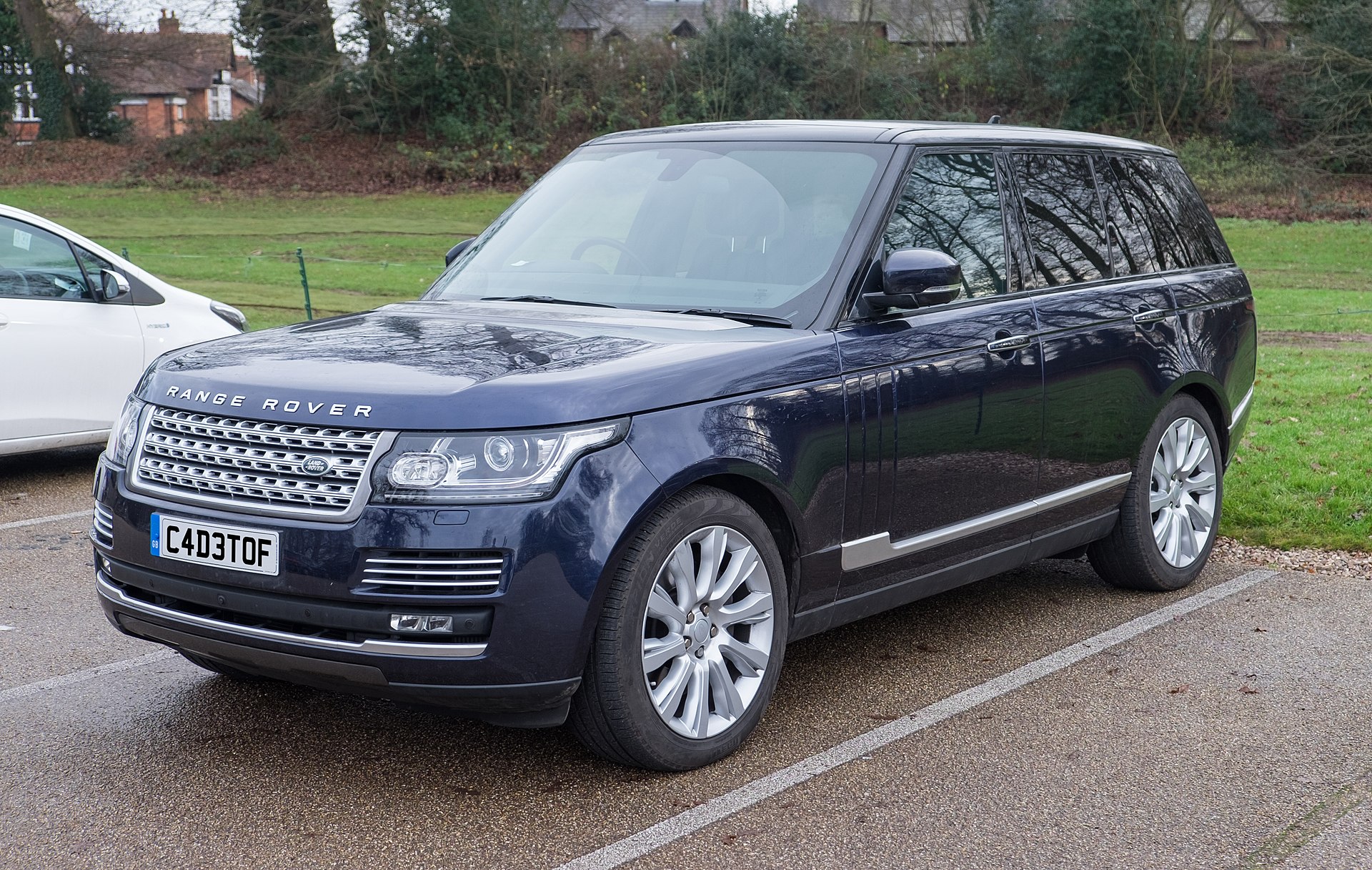
Land Rover Range Rover Autobiography 2016.jpg
The Land Rover Range Rover is like expensive wine. It only tastes good if you exploit it for what it is really meant to be used for.

Most expensive wines come with several flavors to choose from and so does the Range Rover. Standard 3-liter supercharged six-cylinder pumps out 340hp and really isn’t anything to brag about, but it is flexible and doesn’t feel short on puff. The optional 380hp form makes more sense. The 3-liter turbocharged six-cylinder diesel has the lowest output of the range at 254hp but makes up for that with 443lb-ft torque. The diesel engine in this makes no sense whatsoever. Most considering the Range Rover won’t care about running costs because let’s face it you’d consider every other option that’s cheaper. Top of the range 5-liter supercharged eight-cylinder pumps out 510hp and 550hp and both are the best of the best here. Acceleration is so fast that you’d immediately forget that you were in a heavy 4x4 unless you try to turn a corner fast and oh dear you’ll be brought back to reality real quick.

It’s not designed for heavy corners most would say. Tell that to BMW and the X5/X6, Porsche Cayenne. Both seem to defy logic of any SUV with fantastic handling. However, we aren’t talking about BMW or Porsche. We’re talking about Land Rover the almost fully capable land yacht if you wanted to call it one.

The closes to off-road we could do in this beast was maybe more of the light mud and grassy stuff. Yeah, we ourselves thought it was pretty lame but these are the cards we were dealt and well we were going to make the most of it! Our tester car came equipped with the eight-cylinder engine and well it was the most expensive on the lot too. It’s no wonder the Range Rover Sport exists. This 4x4 isn’t cheap and neither is the equipment for the four-wheel-drive. There were so many off-road selections and several ways to get out of sticky situations that it would leave your head spinning. It was indeed a joy to drive around in just the mild stuff and yes it climbed on top of all that was thrown at it. (Of course the light stuff.)

Honestly most buyers won’t even tackle the off-road trails or go anywhere near them. So we decided the best thing to do is to drive it like how 99% of most buyers will and that’s around suburbia and in heavy traffic jams. I can honestly see where the diesel would be more appealing because a 5-liter eight-cylinder in stop/start traffic is like driving a Bugatti Veyron at speeds below 20mph. It’s meant to be driven fast and to its full potential and you can’t achieve that with grandma in the fast lane doing 15 below the speed limit and the mom on her cell phone yelling at the kids in the backseat to quiet down. You’ll be annoyed but the seats are superb and the overall visibility is outstanding despite it being so tall and wide. It does often feel top heavy but let’s face it, even we have limits and trying to push this heavy thing to its limits is well not something we are interested in embarking.

The stop/start technology isn’t all that refined and it does leave a lot to be desired. Most will just immediately shut it off every time they turn on their vehicles, but it does save gas though!

Steering feedback is pretty good for a 4x4 and handling is more secure and borderline athletic. It’s not BMW or Porsche but it’s decent.

The interior is what matters the most to us because you spend all most all of your time there. Yes this 4x4 has the most luxurious interior you can possibly ask for. The materials used feel soft and luxurious and it doesn’t disappoint one bit. There’s decent space for everyone to get comfortable and I don’t really see how anyone couldn’t love British Luxury, it’s so understated sort of like Scandinavian Luxury (ala Volvo). We did however run into a lot of electrical issues and many of them were just plain annoying. The infotainment screen decided to basically reboot itself while we were using the navigation to find our destination. It took about 15 minutes to restart and when it finally did the navigation system suddenly couldn’t find our destination after the reboot. The auto high beam headlights often got confused by everything from street lights, the reflectors on the road and lightly shaded areas the high beams insisted that they need to be activated. The parking sensors completely failed after a rain storm. These issues were addressed with Land Rover and they did fix the problems after we returned the vehicle.

The base Range Rover comes with Autonomous Emergency Braking, 19-inch alloy wheels and a 13-speaker 380watt sound system. HSE comes with sliding panoramic sunroof with power blind, 14-way power front seats with memory setting, heated rear seats and auto-dimming exterior mirrors with power-fold feature. Supercharged trim adds 21-inch alloy wheels, front fog lights and All-Terrain Progress Control.

The Range Rover is one of those 4x4s you’ll either love or loathe. Most will loathe it because the reliability issues and of course the high starting price. But for those who can make it rain of course won’t mind the high starting price and the steep running costs, it’s the luxury that matters the most and yes the Range Rover can and will deliver.

Likes: The Range Rover is excellent on-road and off-road, a feat that’s just plain impossible to achieve. It has a presence that is hard to ignore. British Luxury is so much better than the Germans. Eight-cylinder engines are so quick you’ll forget that this beast is a heavy one.

Dislikes: Electrical issues cause worry in reliability long-term. Running costs aren’t cheap.

Devon’s pick: The 3-liter turbo-diesel should make the most sense but it doesn't. If you have the money to buy and run a Range Rover chances are you don't care about running costs and the 5-liter supercharged eight-cylinders are the way to go, and you won't regret it! 

A month with a Range Rover

Living with the car. We decided to see what would be like to live with a Range Rover for a whole month. We’re going to break down our experiences with a Range Rover and should you consider buying one or leasing one. The Range Rover we picked was very lightly optioned. It had basic interior protection package with 16-way heated front seats, navigation system and a black headlining. It was the closest to the MSRP we could find. It didn’t even have fancy alloy wheels, which further cheapened the look of the Range Rover. You could just look at it and immediately know we had the entry-level model. However, it does have curb appeal as we gotten quite a few stares just doing regular errands and driving around town. Heated front seats on a cold brisk morning does become your best friend. More than you’ll ever know. You can option for a diesel engine, and it does make the most sense if you are planning to do tons of highway driving or plan on going off-roading. The extra torque does come in handy. However, that commands a hefty $7,000 premium over the already competent 3-liter turbocharged/supercharged six-cylinder petrol engine ours came fitted with. It’s such a joy to drive. The engine spools smoothly and there’s little to if no turbo lag just driving around town and cruising along on the highway. Land Rover says that with this engine you can get from 0-60mph in about 7.5 seconds. We honestly believe that is the case here. It does feel quick on its feet and we didn’t feel like we wanted more. Besides, the whole purpose of driving a Range Rover is to drive it in a luxury fashion so everyone can see you in it. We’ve encountered our first ever snowstorm which rocked our Midwest area. It dumped a foot of snow onto the ground and made everything challenging for street parking and well driving around since it froze over and then more snow was dumped on top of that. The Range Rover wasn’t a struggle bus. It managed to help me get through the blizzard with little to no drama. I felt very confident driving through the worse of the snowstorm, even if I were only doing a mere 7mph from my job all the way home. The optional heated windscreen does wonders when it’s snowing and of course the Range Rover comfort factors made the traffic jam less stressful. We absolutely love the headlights at night. They are crisp and stunning. You don’t need high beams or fog lights. What we like: The Range Rover is a great vehicle to drive around as a daily commuter car. The throne-like seating position makes it quite easy to see out of and the overall driving experience is laidback. It may not be as agile as an X5 however this isn’t trying to be an X5. It’s a 4x4 that can handle its own well when the weather gets nitty and gritty. The engine is smooth and flexible, the interior is first-class amazing. It’s also quite roomy as a five-seat with plenty of boot space. What we don’t like: The infotainment screens take some getting used to. It does get a little annoying at times when you want to do simple adjustments for the climate control or change the radio station. It does get a little distracting, however once you’ve mastered it. You’ll get along with it just fine. The automatic high beams often are confused with lightly shaded areas and overpasses. The engine stop/start technology has failed on us twice. We still can’t get over the fact that our Range Rover has a price near $100,000 and only comes with 19-inch alloy wheel as standard. Overall: Lease a Range Rover and get rid of it. We love Land Rover products. They are stunning to look at and amazing to drive. However, they are very unreliable in quality and once the warranty expires. The fun really does begin. Likes: The engine is silky smooth in operation. It’s a Range Rover. It’s recognized everywhere you park it or drive it. It’s comfortable to drive around town and on the motorway. Dislikes: Reliability woes. 19-inch alloy wheels on a car that costs almost $100,000.

Friday, January 6, 2023

History of Saab


In 1938, the Saab factory was built in Trollhattan Sweden. At this time, they were not an automobile manufacturer. With World War II on the horizon, the Royal Swedish Air Force was in need of aircraft. On September 1, 1939 war broke out and Saab built bombers and fighters.

The Saab factory was prepared for the task with two previous years of modernizing their production methods. These airplanes were mainly copies of German and American design. Saabs first in-house designed aircraft rolled off the line in 1941, the Saab 17. It was far from perfect, but the bugs were worked out quickly. A Bomber, Saab 18 was also produced.

In 1944, seeing the close of World War II Saab began work on non-military aircraft. The Saab 90 and the Saab 91 were introduced, the 90 was a passenger plane seating 25-30, and the 91 was a small plane for private use. The rest of our timeline will outline only Saab's automotive history. However, Saab to this date still makes the highest quality civilian and military aircraft not to mention trucks, buses, spacecraft and the famous jet fighter Viggen and the latest innovation Gripen.

1955saab92b.jpg

The Swedish Ur best translates as original and Ursaab was the Saab's first prototype automobile.

Project 92, so-called as numbers 90 and 91 had already been assigned to civilian aircraft, was agreed in 1945. Saab had decided that, with the Second World War ending, there would be a need to diversify away from military aircraft. Ideas included motorcycles, cars, commercial vehicles and even fitted kitchens! Other Swedish companies, however, had the motorcycle market sewn up, Volvo already produced cars, and trucks were manufactured by Scania-Vabis. A Saab had to be the right size, type, construction and price - a small, affordable car. Thus, Saab had found its niche.

A 1:10 scale model Ursaab was tested in a wind tunnel by the Swedish Royal Institute of Technology and gave a drag coefficient of 0.32, an impressive figure even by today's standards. Sister cars 92.002 and 92.003 were driven on every possible type of road surface and with 92.001; they have clocked up over 530,000km (approx 331,000 miles) - equivalent to 13 journeys around the world and typical of Saab's commitment to thorough testing.

Full-scale production of the Saab 92 commenced in December 1949, 700 of which were made. The engine was a 750cc two-cylinder two-stroke, transversely mounted ahead of the front axle. Saab engineers also created a safety cage for the passengers, to protect them in case of accident, one of the first cars ever designed for safety. 

Production cost was critical to Saab at the time and only 17% of the cost was from imported materials, hence the Henry Ford principle of any color you like as long as it's… green in Saab's case!

Saab entered two cars in the 1950 Monte Carlo rally. Both finished the rigorous event. Saab  continued active in rallying until 1980, when some factories began to spend so much on the sport that little Saab could no longer be competitive. 

The Saab 93 was announced in August 1955 in response to press speculation regarding the development of a three-cylinder two-stroke engine. The Saab 93 was the first modelto be officially exported, primarily to the United States. 
Image result for 1955 saab no copyright image

At the New York Automobile Show of April 1958, Saab exhibited a car that they called the Gran Turismo 750, a sporty and luxurious model that was pitched specifically at the growing US market.

The GT750 had twin carburetors and the engine had been tuned to develop 50hp. It was the first model to have factory fitted seat belts.

Image result for saab sonnet no copyright image
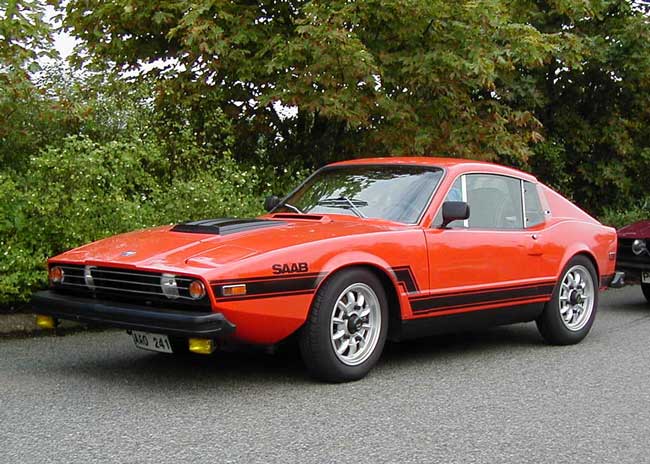
The Saab Sonett was unofficially known as the Saab 94, even though this number had already been assigned to an aircraft project. Only six Sonett were built, the cars being intended as either experimental or competition cars. The Sonett was much in demand by dealers and was shipped to the United States for the Saab introduction in April 1956.

Saab unveiled the Saab 95 Station Wagon in May 1959. The early 95 had the two-stroke engine, but later models carried the Ford V4 engine (the V4 was an instant success). It was equipped with a four-speed gearbox. The last Saab 95 was manufactured in 1978.The Ford 1.5 Liter V4 engine delivered 65hp at 4,700rpm and saw 100 Km/h from rest in just 16 seconds. 

The new Saab 96 was revealed at a Stockholm press conference in February 1960. This model lived on until 1980 equipped with the V4 engine. The Saab 96 was for Swedes what the VW beetle was for Germans.

Diagonally divided brake system with double brake circuits was introduced on all Saabs of 1964 models.

Formula Junior was an international class for single-seat racers with engines from standard road cars. In 1960, some enthusiasts at Saab's combined testing and competition department decided to have a go at Formula Junior, even though the engine was well below the permitted displacement of 1100cc.Taking an approach that was different to the conventional was not unusual for Saab and this case was no different. The engineers at Saab constructed an advanced monocoque car in contrast to the space frame designs of their competitors. 

The Saab 97 project based upon the MFI 13 made good progress. By the winter of 1966, it was on display earlier than expected, and in Stockholm, rather than New York as had been anticipated.

Sonett3.jpg
The Saab Sonett II suffered increasing criticism of its awkward lines by both customers and within Saab itself. After just two years of production, Saab contracted the Italian stylist Sergio Coggiola to redesign the Sonett II. Coggiola had a tough task, forbidden by Saab to redesign the complicated central section.

Saab board passed a resolution in April 1964, to develop a new and larger Saab. The Saab 99 was on its way. Despite widespread enthusiasm within Saab for the two-stroke engine, it was decided that a four-stroke unit was the only real choice. Without the means to embark on its own costly development, a contract was signed for Triumph to deliver a 1.5-liter (later 1.7 liter), engine to Saab. The joint engine design was to be inclined at 45° since Triumph was planning a V8 from the same basic engine design. The Saab engine was essentially half of a V8. 

1970 A milestone is passed in February when Saab turns out Car No. 500,000

The Sonett III, the product of the Swedish-Italian cooperation, was unveiled in spring 1970.

Two unique Saab innovations are presented on the 1972 models: an electrically heated driving seat and self-repairing (up to 8 Km/h, 5 mph) bumpers.

The Saab 98 project began just two years after the production of the Saab 99 started. A new concept termed by Saab as Combi Coupé. Saab 98 never went into production, but the Combi Coupe did as a 99.

1976 The one-millionth Saab car comes off the line at Trollhättan in January. Catalytic converter and a lambda sensor are introduced on cars for the US. 

The first Saab 99 Turbo goes on sale as a 1978 model.

This particular Turbo had great success in the Swedish Rally with Stig Blomquist behind the wheel.

In 1979 the new 900 is released.

Yet another world "first" is introduced with the 1979 Saab 900: the unique compartment air/pollen filter.

Beginning with the 1983 models, Saab fits all its cars with asbestos-free brake linings.

The Saab 900 was a model that spanned the entire 1980s, being in production for some fifteen years! During its lifetime over 900,000 units were produced, almost 50,000 of which were the successful and stylish 900 convertible.

Despite being an evolution of the 99, the 900 was not merely a facelift. It had been given a new front section and Saab wanted to exploit new market sectors. This was especially true of the United States.

Another product of the small but perfectly formed design department at Trollhättan, the EV-1 was a sport Coupé based on the 900 Turbo 16. The EV-1, or Experimental Vehicle Number One, was never destined for production.

The front and rear sections of the EV-1 were constructed from Aramid reinforced fiberglass and had the ability to resume their original shape after impact.

The toughest safety standards are satisfied with the lightweight carbon fiber side impact protection within the doors. Continuing the lightweight theme, the front seats are half the weight of conventional seats but retain electronic functionality including the ability to adjust the side supports. With the 0-100 Km/h in just 5.9 seconds, the performance of the EV-1 is comparable to some of the best sports cars.

The Saab 9000 of the 1987 model becomes the first front-wheel-drive car to offer ABS brakes.

Styled by Italian Giorgetto Giugiaro, the 9000, a front-wheel drive with a transversely mounted engine meant that the interior was more spacious than the Saab 900 despite a slightly shorter external length. 

The combination of the folding rear seat and the estate/saloon opening rear hatch made for superb load-lugging characteristics. The Saab 9000 was the only imported car, bar the Rolls Royce, to be classified by the United States authorities as a "large car". 

Image result for saab 9000 wagon no copyright image
1986 On 7 October, three Saab 9000 Turbo 16s in guaranteed  standard condition get off the mark on the world's fastest racetrack, the Alabama International Motor Speedway in Talladega, U.S.A. 31 drivers take turns at the controls of the three cars, with stops only for refueling and service. In nearly twenty days of uninterrupted driving they break 2 world records and 21 international speed records. The fastest car covers 100,000 km at an average speed of 213 Km/h, the other 2 average around 210 and 208 Km/h.

1987 The two-millionth Saab is manufactured.

1989 At a press conference on 15 December, GM announces that it is buying 50% of Saab's car operation.

The new Saab 900 made its debut in front of the press and 35,000 residents of Trollhättan, in the town's main square, in July 1993. The new 900 was the first completely new model since GM (General Motors) took a 50% stake in Saab Automobile AB in 1990. 

Saab is the first carmaker to present a Freon-free (CFC-free) air-conditioning system.
In 1994, Saab introduces the first V6 engine in its 900 SE model.

1996 Ten years later Saab returns to Talladega, this time with six Saab 900s, absolut standard cars, powered by different engines: a 2-litre turbo, a 2.5-litre V6 and a 2-litre injection engine. They clock up 40 new international speed records. The fastest car, a 900 Turbo, turns in an average speed of 226 Km/h. 

The Saab 9-3 was launched in 1998 essentially as a re badge Saab 900. There was very little to tell them apart externally, except for a redesigned grill and the relocation of the third brake light from the boot ridge to the top of the rear screen. 

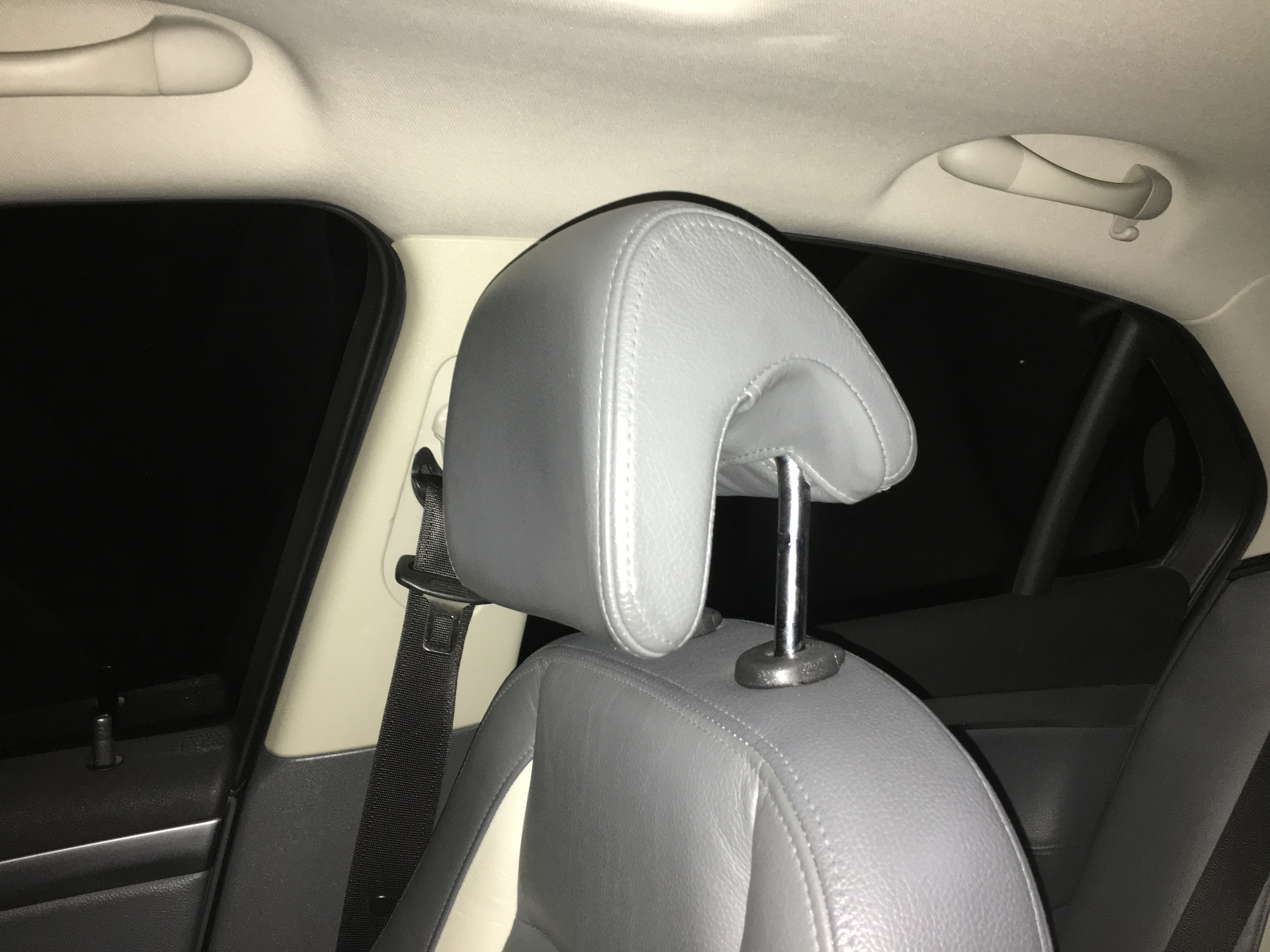
Image result for saab active head restraints no copyright image
Internally, the 9-3 acquired the innovative SAHR or Saab Active Head Restraint system - as introduced as an industry first on the Saab 9-5.

It was under the body that the changes had been made on the 9-3. Over 1,100 changes including suspension, in an attempt to tighten up the handling characteristics of its predecessor, the Saab 900.

1997, The new Saab 9-5 is presented in Trollhättan, and the three-millionth Saab is produced that summer. 

The development of the Saab 9-5 retained existing Saabisms such as its world famous attention to safety, the curved C-pillar and the ergonomics of the vehicle - especially in respect of the driver. Saab set out to exceed the already high safety standards of the Saab 9000 and design the safest car possible.

Data from Saabs own tests and surveys from Folksam (the Swedish insurer), Euro NCAP and American HLDI all show that the Saab 9-5 is indeed the safest car that you can drive to date.

Image result for 2000 saab 9-5 sedan no copyright image
Saab reintroduced for the 9-5, the return of the floor mounted ignition and reverse gear lock that was absent from its predecessor, the Saab 9000.

Yet, another Saab innovation: ventilated front seats. It is the first time a passenger car, the new Saab 9-5, is offered with this feature.

2000, GM buys the reminder of Saab.

In 2003, the completely redesigned 9-3 SS is released in US.

The new Saab convertible is scheduled to be introduced to the US market in the Fall of 2003 (Swedes have to wait until Feb 2004). It's manufactured at the Magna-Steyr plant in Graz, Austria. It have automatic rollover bars that pops up from behind the rear seat, and the whole convertible frame is built out of Magnesium.

What the future holds may be within what  concept car 9-3 and prototype 9X shows, or the rumors of a 9-2 based on Subaru Impreza.

First official photo of the new 9-2X planned for release on the US and Canadien market early 2004. The 9-2X is built by Fuji Heavy Industries, Japan; which GM holds a 20 percent stake in.

Saturday, December 24, 2022

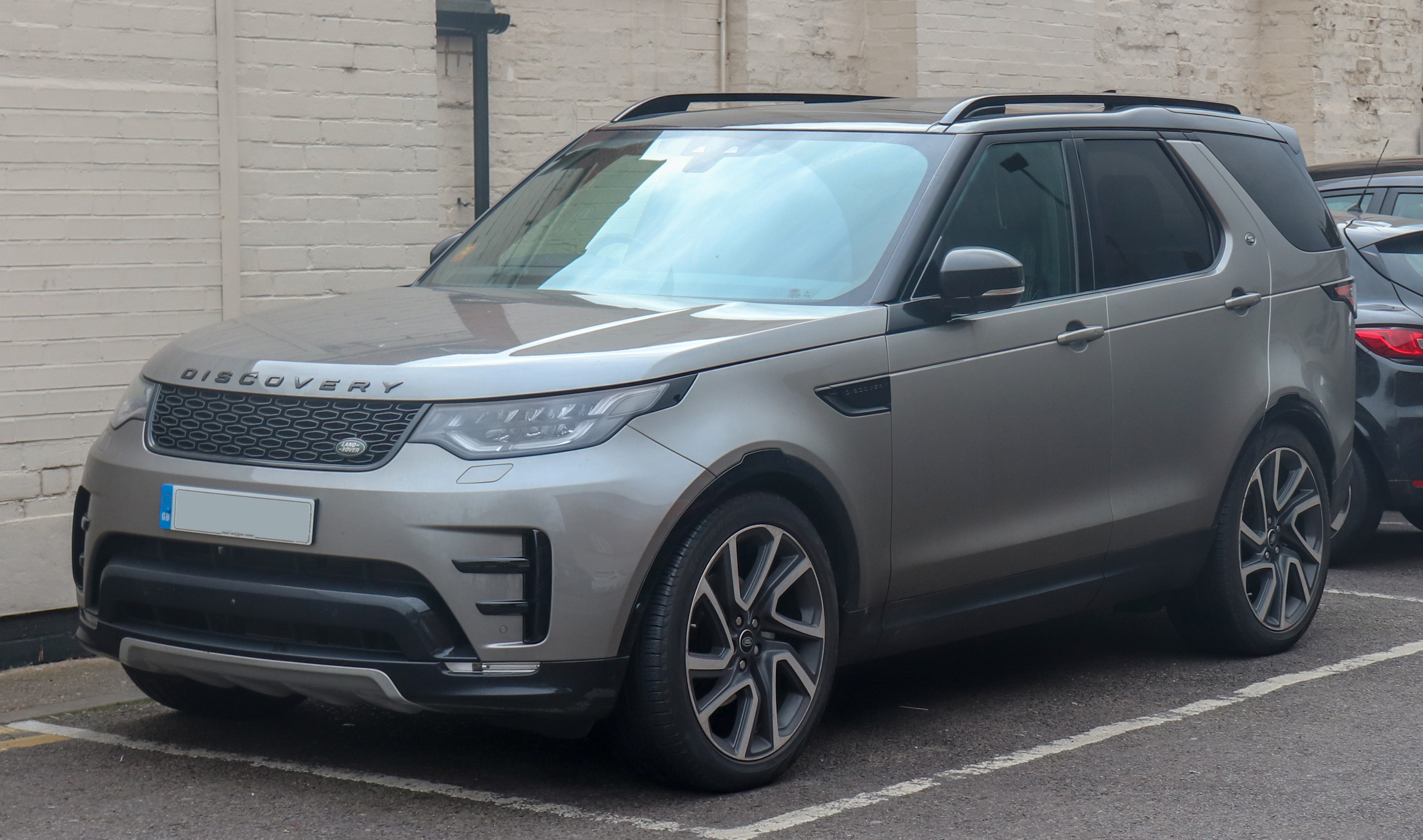
Land Rover updates the Disco (2021)

The Land Rover Disco is the Land Rover for those who seek versatility. The previous engines offered are no more. You can only choose from a 2-liter turbocharged four-cylinder pumping out 296hp and a 3-liter turbocharged six-cylinder with a 48-volt mild-hybrid system. Picking between the two of them depends upon what you desire the most. We reckon the six-cylinder is the way to go if you are willing to pay the premium for it. Everyone else will be satisfied with the four-cylinder which is our pick of the range. It’s smooth enough for daily tasks and doesn’t feel shortchanged when you’re on the highway. However, the Disco is by no means a sports saloon. You’ll forgive it though as the ride comfort is superb. Which is exactly what you’d want if you are planning to ferry seven-people around. Air-suspension is now standard-kit across the board here. It helps make the Disco feel planted when driving on narrow switchbacks, but most importantly is provides an elevation of comfort that we’ve come to expect from Land Rover. It really does feel like a luxury saloon. The only real difference is in the dynamics. It does show body-roll when you want to drive in a sporty fashion. However, you’ll have to settle for a BMW X5 or Porsche Cayenne. Both are great choices, but none are as roomy or versatile as the Disco. The driving position is spot on good with excellent comfort and refinement. The infotainment is now a 11.4-inch and is much easier to navigate through than before. We love the simplicity of the interior although some may say that it is a bit plain. The second-row seats offer good headroom and legroom, although those in the third row won’t really want to stay back there for too long. It isn’t as versatile as the XC90 which does the three rows of passenger comfort well. Boot space with the seats in place is about class average, but when you fold that third-row seat down space opens up considerably. Fold the second-row seat down also and you’ve got yourself a cargo van. The electrically folding seats do take a while to fold and unfold. The driving position is spot on good with excellent comfort and refinement. The infotainment is now a 11.4-inch and is much easier to navigate through than before. We love the simplicity of the interior although some may say that it is a bit plain. The second-row seats offer good headroom and legroom, although those in the third row won’t really want to stay back there for too long. It isn’t as versatile as the XC90 which does the three rows of passenger comfort well. Boot space with the seats in place is about class average, but when you fold that third-row seat down space opens up considerably. Fold the second-row seat down also and you’ve got yourself a cargo van. The electrically folding seats do take a while to fold and unfold. Discover S comes with 20-inch alloy wheels standard. Along with rain-sensing windshield wipers, automatic headlights and rearview parking camera. You’ll have to step up to R-Dynamic trim to get the optional six-cylinder engine. With R-Dynamic HSE coming standard with 22-inch alloy wheels, automatic high beam assist and 3D Surround view camera. The Disco is the Land Rover that’s a real jack of all trade. Likes: The new engines are much more refined. The infotainment system has been drastically improved. Dislikes: No more diesel six-cylinder. The new turbo six-cylinder is limited to R-Dynamic. Our pick: The Disco S is the best compromise without having to pay Land Rover price tag.

Tuesday, September 25, 2018

Pathological tries out a Compass from Jeep


Image result for 2017 jeep compass no copyright photo
The previous generation of the Jeep Compass was an absolute joke that had no one laughing. It literally was one of the worse crossovers you could opt for, but with deep discounts it kept it a favorite among rental car lots and budget buyers. The new Compass however Jeep is hoping to change things but has it done enough?

 You only get the choice of a 2.4-liter four-cylinder pumping out 180hp. You can opt for a six-speed manual gearbox but that only comes with the entry-level Sport and Latitude Trim levels. Our tester car was the top of the range Limited which came with a nine-speed auto gearbox. It came with mixed reviews as many felt that it was just way too many gears for the amount of horsepower the engine produced, while others thought that the engine and trans pairing was more ‘okay’ and just not that refined. Driving around town the Compass did feel very comfortable and easy to maneuver around, while on the highway you’ll wish you had fewer gears as the engine often gets lost in all the gears. The engine is flexible when up to speed and doesn’t really make too much of a racket while at cruising speeds. The engine stop/start technology isn’t as smooth as it could be but it does a decent job and you can deactivate it if you find it annoying.

The front seats are comfortable and offer plenty of support and adjustability, while those in the second row won’t have anything to complain about as it is decent in space. The boot space is also generous too but it isn’t class leading. The infotainment system is easy to use and simple in operation, but the several menus can get quite distracting while on the go. The one area that we wish that FCA would improve on is the interior quality. It just doesn’t seem up to snuff with the rest of the competition. It’s great that Jeep has improved interior quality and also improved the Compass dynamically, but it still isn’t as great as it could be.

Our tester car (Limited) came with a sunroof, heated leather seats, navigation system with back-up camera. 4x4 system, dual-zone climate control, HID headlights and a security group package. It’s really hard trying to justify this version of the Compass as it is close to $40k and well for that amount of money there are some real heavy hitters that will give the Compass a run for its money in quality and refinement.

We enjoyed our short time with the Compass and found it to be light years better than the outgoing model. However, the nine-speed auto gearbox isn’t refined and FCA reliability record hasn’t been great. If you want the most capable compact crossover of the lot than this is your best bet, however you can buy a Subaru XV and it’s just as capable. It may not have the flexible engine but the running costs are lower and the refinement is much better.

Likes: Light years better than the previous generation, Trailhawk version has the most off-road prowl.

Dislike: Refinement of the transmission and build quality needs to be improved; otherwise this fresh new design is just a coat of primer.

Our pick: Ditch the Sport and go right for the Latitude. You get plenty of kit standard and the price isn’t too expensive like the Limited. The Trailhawk is the option for those who are going to do off-roading in this, but at the price point. You minus well consider a Subaru XV which is similarly priced, more refined and more reliable.

Thursday, August 23, 2018

Devon test drives a Ford Expedition EL


File:Ford Expedition (23764739745).jpg

The large 4x4 still has appeal to drivers who want to tow a boat and/or ferry the family around. There are plenty of them to choose from, with that said the Ford Expedition EL should be on your short list when considering such massively large vehicles. Here’s why:

The sole engine choice is a 3.5-liter turbocharged six-cylinder which produces 365hp. You may think that the six-cylinder really won’t have the pep of the eight-cylinder. But you’ll be pleasantly surprised to hear that it can accelerate from zero to 60mph in under 7 seconds. Which means that this engine will give those eight-cylinder rivals a real go for their money. When you are not driving like a total lunatic this engine is smooth and responsive when needed thanks to direct fuel injection, turbo lag is pretty much nonexistent. The beefy 420lb-ft torque for a healthy 6,500lb towing rating and 9,200lbs with the optional heavy duty trailer towing package.

The Expedition EL is a pretty large and bulky vehicle. The sheer size of the vehicle means that navigating around town or in tight narrow parking spaces will be a chore. Steering can be quite heavy when getting up to speed but it does offer a decent amount of feedback. Not that you’ll be shoving this vehicle through bends and corners anyway. Wind noise won’t be much of a problem, even if the Expedition is as aerodynamic as a tower block. Road noise will be a problem with the larger alloys, especially with the 22-inch alloys.

In the cabin you won’t have any trouble seating up to eight people; although the eight people and their luggage trick may be a bit of a push even in a large vehicle such as this. You can however fold down the third row seat and double the boot space to a massive size; with the second row folded also you’ve got a cargo van. The dashboard seems pretty simple to navigate through with all the controls and dials easy to use and somewhat in reach of the driver’s hand. The sheer size of the Expedition EL means that you’ll need all the parking aids you can get. Luckily for you those parking aids are standard. You’ll only have to really pay extra for a parking assist for the front of the car for some trims. Visibility is pretty decent too but the blind spot warning system is a much needed option.

XLT trim offers reverse sensing system, 18-inch alloy wheels, power adjustable foot pedals. EL trim adds perforated leather seats, dual zone climate control, power folding third row seat and forward sensing system. King Ranch trim adds rear view camera, power lift gate, 20 inch alloy wheels while top of the range Platinum trim has all the same features as the King Ranch but instead you can option for HID headlights and a few other luxury bits. Our tester car was the Platinum trim which was pretty nicely kitted, but for our money we’d go with the Limited trim which makes the most sense financially. The price is still high but it’s not as expensive as the King Ranch and Platinum trims.

The Expedition EL has high running costs, a higher purchase price and is a chore to drive around. If you need seven seats and want to be able to tow a large boat or trailer. The Expedition EL should be on your short list, as there are many other rivals to pick from. But none of them have the smoothest six-cylinder engine on hand, and none of them look as flashy with the 22-inch alloys. It really is a great value all round and is our pick for large 4x4s.

Likes: Turbo engine is smooth and not one ounce underpowered. Can seat up to eight people and with all seats folded you’ve got a cargo van sized boot.

Dislikes: Sheer size makes it a chore to drive. Running costs will still be through the roof. Other than the towing ratings and eight seats, it’s pretty hard to justify buying one.

Monday, August 13, 2018

It's cute in a rugged Jeep kind of way


Jeep Renegade 1.6 MultiJet 2WD Longitude – Frontansicht, 9. November 2014, Düsseldorf.jpg


At first glance, you wouldn’t think that the Jeep Renegade shares its platform with the Fiat 500X. They certainly are different in looks and pricing, however what is similar between the two is the engines they share and both are a hit and miss at best. Here’s why:

The standard 1.4 turbo offers a decent blend of low running costs and decent flexibility around town and on the highway; however this engine can’t be had with an auto gearbox. You’ll have to step up to a 2.4 four-cylinder to get an auto gearbox. We find it very strange that the 1.4 turbo can’t be had with an auto gearbox, especially when there are options out there that have far less horsepower and can still be had with an auto gearbox. The nine-speed auto gearbox that does come in the 2.4 isn’t a very refined one. The engine tends to get lost in the gears and it’s not very reliable either with tons of complaints about hesitant shifts and in some cases transmission failure. We decided this time around to try out a the Jeep Renegade with the 1.4 turbo and despite it having the 20hp difference compared to the 2.4 it still manages to help the Renegade feel peppy.

On the road the Renegade feels like a much larger crossover than it actually is. There’s a bit of wind and road noise that creeps into the cabin at faster speeds, however the radio can drown out that noise. What we like the most about the Renegade is despite it being both a short and fairly tall vehicle, it doesn’t feel lofty to drive. You might get tossed around a bit by crosswinds on the highway but this is basically due to the fact that the Renegade is about as aerodynamic as a tower block. Steering feedback is generally okay, it’s really nothing to brag about and the ride comfort for the most part is well tamed. The Six-speed manual gearbox does take some getting used to, especially when driving around town where it often feels a tad too notchy for our tastes.

The interior feels like a mixed bag of both good and bad. While the overall feel of the cabin seems very well laid out and all the controls are logically placed. The plastics used in certain parts of the interior feel cheap and nasty. It’s even more bizarre that despite it being such a small car with short overhangs, the front hood and dashboard feel like they are longer than they actually are, making forward visibility a bit daunting. The rear seat offers decent space for three and the boot space is decent in space as well. However, we were expecting a bit more versatility like you’d find in a Honda HRV. It seems as if Jeep missed a huge opportunity with the versatility of the cabin.

You get a fair bit of standard kit with the Jeep Renegade and it can be seen as class average compared to keen rivals such as the Subaru XV. Bluetooth came standard, as well as auto-off headlights, air-con and electronic stability program. You’ll have to step up to the higher spec trims to get fancier alloy wheels and leather seats. The Trailhawk trim adds more rugged tires and mechanical bits to help make it a real off-road vehicle. It makes the Renegade the toughest compact crossover of the segment.

The Renegade certainly has the looks and the appeal, we just wish that the 1.4 turbo had auto gearbox option and the nine speed auto gearbox was better paired to the 2.4 engine. It’s a great vehicle but it’s bogged down by dreadful engines.

Likes: A fully capable crossover with rugged looks and spacious interior, the running costs are within reason and the purchase price is attractive.

Dislikes: The nine-speed auto gearbox is plagued with refinement issues and reliability concerns.

Saturday, July 21, 2018

We test drive a Mercedes Tank


File:Mercedes-Benz W463 G 63 AMG at Legendy 2014.JPG

The Mercedes G-class is proof that sometimes you can have more money than sense.

The G550 uses a 4-liter bi-turbo eight-cylinder pumping out 416hp, you can step up to a AMG G63 using a 5.5-liter bi-turbo eight-cylinder pumping out 563hp while the top of the range AMG G65 uses a 6-liter bi-turbo eight-cylinder pumping out 621hp. The G-class isn’t one of those Mercedes you’ll find a ton of on dealer lots. We were able to find the AMG G63 but the manager at the dealership turned us away as he only wanted buyers who were absolutely certain they were going to buy it to test drive it. The second dealership we tried also turned us away, even though we did state we were interested in buying, the G550 they had was already in the process of being sold. It became almost a chore trying to find one to test drive, but we did come across one dealer who was very eager to let us test drive the vehicle. In fact the G550 that we were given the keys to was the manager’s own personal vehicle. He didn’t seem to mind one bit and we managed to keep the G550 for two days.  We just had to keep our trips short and also paid extra close attention to literally everything we did because one scratch or ding would set us back a tremendous amount of money that neither of us would be able to pay.

We love the way the G550 looks but when it comes to driving it, that’s just a totally different story altogether! While the G550 isn’t a small thing, it feels very daunting to drive. The blind spots are massive and while we did get plenty of safety aids to help take the sting out of it, the steering wheel is just way too slow to react and it often feels overly light at low speeds. You could shimmy the steering wheel from one direction to the other and the vehicle will continue going straight. The only other vehicle that we tested with steering like this was in a Mitsubishi Mirage and that’s a sub-$15k hatchback. The saving grace for the G550 is the contagious engine note that made it so worth the cumbersomeness that you’ll have to deal with. We didn’t really do much venturing around town as we stayed in the suburbs and kept the trips to a minimum. We did want to venture downtown and see how well the G550 fit in but had to make do with the upscale suburbs and high-end grocery stores. We did get a lot of people staring at us, as if we were made of money. The one thing that we loathe about vehicles that stand out like the G-class is that even though you are just testing the car or renting it (in our case) people think that you have tons of money and want you to buy everything that they are selling. We know people who will buy this have to have the bank to afford it and keep it on the road, but that doesn’t mean we want to buy your whole wagon of cookies or donate to every charity!

Despite the rude treatment we received literally every place that we went, the G550 is such a comfortable feeling SUV which was a shocker to us since the platform is so old. The doors don’t make the typical thump sound to let you know that it’s of high-quality. It makes a very faint ‘dink’ sound as if the whole door is made out of aluminum or some light weight material. The driving position is pretty much straightforward, you won’t struggle to get comfortable at all, even though some will feel they are sitting on top of the car rather inside of it. The interior quality does feel up to par with Mercedes standards, we just wish that it had a little more flash. It seems as if Mercedes just updates it in a way to make it feel fresh, but the design is oh so familiar. It’s like they’ve changed nothing at all. The rear seat offers decent space for three, but you’ll have dirty pants every time you get in and out of the vehicle. The rear door has an awkward step in that makes it nearly impossible not to brush your pants or leg against the side of the vehicle. The tall yet boxy shape does give you plenty of headroom. You’d have to be over 6’7 to even complain about headroom in this thing. The boot opening is very awkward and the boot space in general isn’t really anything to brag about, not that anyone would be bragging about it because it’s most likely not going to be used for that purpose anyone. And if you do use it for that purpose you’re better off with a GLE AMG.

The G-class doesn’t really come with many options and the ones that are optional were ticked as standard on this tester car we had. The adjustable suspension comes in handy as you can switch the suspension to comfort mode and glide over all the bumps and imperfections on the road, we didn’t test drive it in sport mode as it felt rather foolish, especially since the G550 drinks gas like no tomorrow.

The G550 isn’t like any SUV on the road. We hadn’t had the chance to drive it off road or even on the light muddy fields. It’s pretty daunting to drive too considering that it really is smaller than the GLS and Cadillac Escalade ESV we’ve driven. The biggest problem with the G550 is that despite it being an older design with updates here and there, there really is no point to this vehicle. We know majority of those who buy this won’t even take it off-road where it was meant to be driven and very few will ever even drive on muddy fields. It seems like one of those cars you buy because you have the money to buy one and don’t care about how much you’ll have to pay in running costs. We certainly found the car to be just too daunting to drive, almost as if it were a chore rather than engaging or entertaining. Plus everyone everywhere thought we had deep pockets because after all this is a $125k plus vehicle. You either love it or loathe it. It was certainly met with mixed opinion. We returned it to the dealer and the dealer and the manager was willing to knock off almost $20k if we took it off his hands, but we couldn’t afford to keep gas in this thing, let alone the purchase price of it. We wanted to like the G550 as it is a special type of vehicle that not everyone can buy but money doesn’t buy tastes and the G-class is proof of that. It’s stylish but rubbish in everywhere else.

Likes: The eight-cylinder engines sound amazing. It’s designed for off-road use and has a luxurious interior. We love how the doors don’t make the typical ‘thump’ sound when closed.

Dislikes: It rubbish to drive anywhere that’s not off-road. The purchase price is just as high as the running costs and don’t get us started on the bling factor.

Wednesday, June 20, 2018

Pathological drives the Cadillac ESV


2014 Washington Auto Show (12141232626).jpg

The bling factor on the Cadillac Escalade really does escalade to levels higher than the previous generation. (No pun intended.)

The Escalade comes with a massive 6.2-liter eight-cylinder pumping out 420hp. It really does a good job at moving the Escalade along. The engine sounds lovely when you flog it and when you feel like driving more relaxed you’ll barely hear a peep out of it. The nifty part about this eight-cylinder engine is that when you are driving around town or in stop start traffic jams the engine converts to four-cylinders to help reduce fuel consumption and also lowers emissions as well.

Driving the Escalade around is just as cumbersome as it was before, nothing has really changed here. The steering is numb if anything and it doesn’t help that it’s quite heavy when trying to do quick maneuvers in tight parking spots. The gear selector is quite fiddly to use, if you’re not used to a column shifter. We had similar issues with Mercedes column shifter as well. The standard parking aids really does take the sting out of parking it. Road noise won’t be much of an issue unless you opt for the large alloy wheels and well wind noise isn’t much of an issue, however you’d have to remember this car is as aerodynamic as a tower block.

The Escalade makes you feel like king of the road with the driving position. It really is comfortable and offers plenty of support. The second row seating is comfortable as well while those in the third row won’t have much to complain about, as there are plenty of comfort features to help make life in the back pleasant. The boot space is so-so with the third row in place, fold it down and the space increases. Fold down the second row down and you won’t even need a cargo van. The space is plenty! If you run out of space in this then you need a freight train. Visibility isn’t the greatest but the parking aids and blind spot monitoring system really does come in handy.

The CUE infotainment system is very infuriating to use. The controls are operated by the swipe of the finger. What’s wrong with simple controls and dials? The touch screen aspect of the infotainment system isn’t too bad but the various menus makes it fiddly to operate while on the go.

Our tester car (ESV Premium Luxury) comes standard with Driver’s Assist Package (adaptive cruise control, front and rear automatic braking and automatic safety belt timing.) Front LED cornering lamps, rear entertainment system, surround vision camera and navigation system. Our tester also came kitted with 22-inch alloys, assist steps – power retractable running boards with LED lighting. Despite it having so much kit standard the ESV comes with a price tag that makes it pretty hard justify considering the numerous options that are just as good.

The attention was high with the Escalade. The only other vehicle that could rival that on attention is the Smart Fortwo. We found ourselves having mixed feelings with the Escalade. While the luxury is there and the refinement is good, it’s just such a cumbersome thing to lug around. The Mercedes GL and even the Ford Expedition are easier to maneuver and also the fact that this engine is thirsty! You’ll need deep pockets to buy one and run it.

Likes: Driving the Escalade certainly does grab attention. The driving position is spot on good and refinement is way better than before.

Dislikes: The price can escalade quickly with options. You’ll need deep pockets to be buy and for running costs. The Escalade is one of the most stolen vehicles on sale.

Our pick: The standard ESV offers a lot of standard features; and there’s nothing wrong with picking the standard form. You’ll have to pay extra for four-wheel-drive but that’s only if you really need the extra traction. Seeing that many won’t be using it for off-roading, the Escalade is best had with rear-wheel-drive.

Saturday, June 16, 2018

[Updated] Volvo XC90


2017 Volvo XC90 D5 Inscription wagon (2017-08-26) 01.jpg
The new Volvo XC90 is the best of the best when it comes to luxury 4x4s. The Swedes really are back in town.

Volvo has added several new engine choices since the launch of the new XC90. T5 trim gets a 2-liter turbocharged four-cylinder pumping out 250hp. T6 trim gets the same 2-liter engine but a turbocharged and supercharged layout pumping out 315hp. While the range topping T8 Hybrid gets the same 2-liter turbocharged & supercharged layout but boosts output to 400hp. Pick of the range still remains with the T6 which we think is the best way to go with the XC90. The entry T5 is okay but it just doesn’t feel as refined as it should be and the T8 Hybrid is more on the steep side of the pricing, which does pay for itself in standard kit and low running costs.

Our tester car came equipped with air suspension and 20-inch alloys and the ride quality is actually good. Large bumps won’t even send shutters into the cabin. Handling is okay it won’t defy logic like a BMW X5 or Porsche Cayenne but it holds its own well. Steering is smooth and offers excellent feedback. Refinement is good in the XC90, when at relaxed speeds you can barely hear a peep out of the engine and road noise is virtually unheard of. There is a bit of wind noise around the side mirrors but it’s far from intrusive or annoying.

Volvo has the best seats in the auto industry hands down. These seats provide enough comfort for drivers of all sizes. The infotainment system is actually quite easy to use and of course you get a full nine-inch display which adds a bit of class to the overall look and feel. All the controls are within easy reach and your view forwards and backwards is good. Boot space is okay with the third row seat in place. Fold the third row seat down and you’ve got even more space, fold down both rows and you have so much space that you would need a transit van if you find the space lacking.

The third row seat is actually quite roomy for adults, even though most will only tolerate it for short journeys. The second row space is generous too, in fact this is one of the few seven-seat 4x4s we’ve ever driven where the balance between utility and people carrier is so good that we have to give it a standing ovation.

Momentum trim comes with Full-LED headlights, navigation system, panoramic sunroof and collision mitigation support for the front. R-design adds 20-inch alloys, R-design design ques. Inscription trim adds ventilated leather seats, linear walnut wood inlays, 12.3 digital instrument display. Range toping Excellence adds Bowers & Wilkins Premium Sound System, beverage cooler/refrigerator and high-spec ventilation and massage function for front and rear seats.

We challenge you to find a BMW X5 or Porsche Cayenne with the same equipment for similar money and what you’ll find is all the reasons why the XC90 is the better buy. It may not have the resale value of both brands yet but this XC90 looks promising and we do predict that the value will hold very well. Running costs are similar to that of the BMW and Porsche and even though Volvo doesn’t offer a diesel engine it does however offer a plug-in hybrid option which makes it one of the of the cleanest seven-seat crossovers behind the Tesla Model-X.

Interior quality is superb and many of the plastics feel classy and upmarket; a far departure from the previous generation. Volvo has scored above-average in reliability and we do see this being a new trend for years to come. If Volvo had a middle name it would be safety and everything that you could ever possibly want in terms of safety kit Volvo has it. The most notable of these systems is the city braking which works at speeds up to 30mph, by slowing you down and bring you to a complete stop if the driver so happens to take his or her eyes off the road.

When you think of luxury 4x4s most will venture to the BMW X5 and Porsche Cayenne because well both are good in their own right. However, the XC90 is better than both in its own way. It may not be as sharp to drive or defy logic, but it is a comfortable cruiser with an outstanding interior and can really fit seven people aboard. Plus it is one of the most handsome looking 4x4s we have ever seen in a while. Volvo really did tick all the right buttons and play all the right notes with the new XC90. Hopefully the new looks and well equipped trim-levels will lure buyers in because passing one up without giving it a real gander is a real shame because this 4x4 is a gem.

Devon’s pick: T6 AWD R-design is where our money would go. It feels like you get a lot of car for your money and still somehow you undercut the X5 and you’re still way below what you would have to pay if you picked the Cayenne. It’s classy and stylish plus we just love those LED headlights.

Like: The XC90 is the most handsome 4x4 in the segment and that style carries inside too. Infotainment system is easy to use and those seats are the best. It can really fit seven people aboard and somehow manages to undercut the heavy hitters in kit and price.

Dislikes: The auto gearbox is a little sluggish to react. The T5 engine isn’t as refined as it should be.

Wednesday, November 15, 2017

Top picks for luxury 4x4s

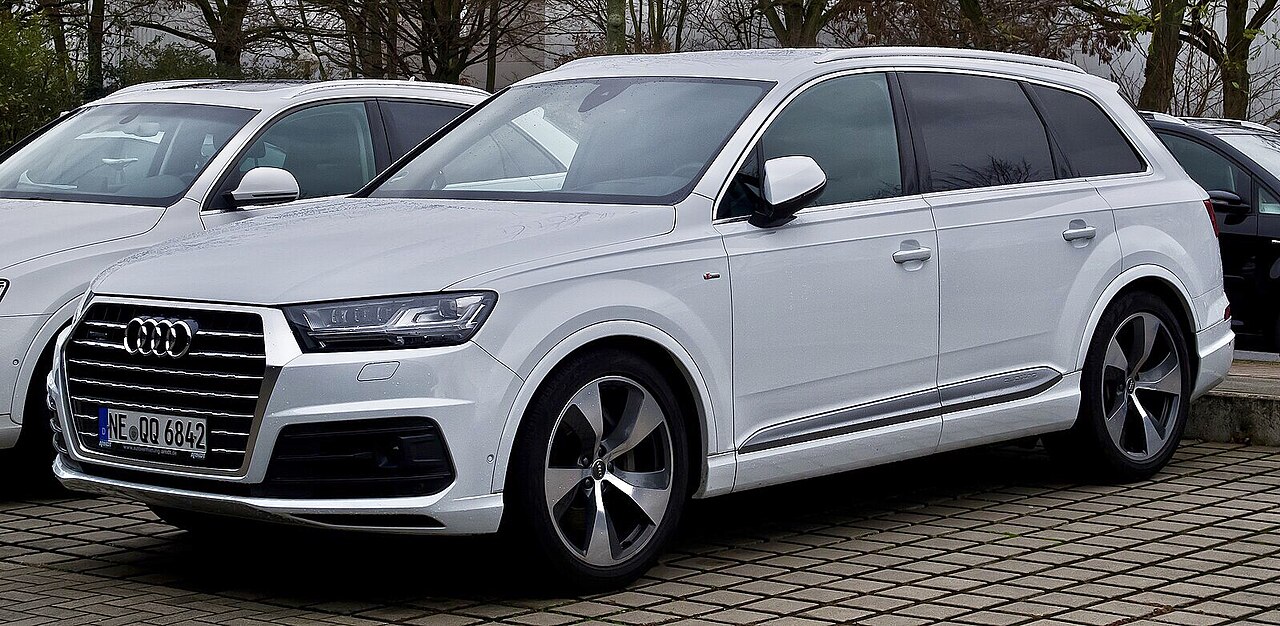
Audi Q7 3.0 TDI quattro S-line (II) – Frontansicht, 3. Januar 2016, Düsseldorf.jpg

Audi Q7

Likes: The interior has been vastly improved along with on-road dynamics and seating space for seven.

Dislikes: Typical bland Audi design cues. The TDI is greatly missed.

Overall: It drives way better than it looks.


Jaguar F-Pace

Likes: It's striking to look at and to drive. The supercharged six-cylinders are fast but the diesel makes the most sense financially.

Dislikes: The infotainment system is dreadful.

Overall: Jaguar is moving into a direction that we are loving.

2014 BMW X5 (F15) xDrive30d wagon (2015-06-27) 01.jpg

BMW X5

Likes: This crossover quite literally defies logic with its excellent road holding manners and powerful range of engines.

Dislikes: It can get expensive very quickly. Volvo has BMW beat in the style department.

Overall: Wait for the next generation of the X5 which should be around the corner.

Lexus RX 450h F Sport (IV) – Frontansicht, 14. Februar 2016, Düsseldorf.jpg

Lexus RX

Likes: Refined and powerful range of engines. Interior is very refined and the overall build quality is top notch.

Dislikes: Styling is a little off-putting. It's not all that engaging to drive, hybrid premium over the rest of the range.

Overall: It's all style and dull everything else, but at least it's super reliable and well built.

FoS20162016 0624 132759AA (27608360690).jpg

Maserati Levante

Likes: Sleek styling with an interior that's classy in its own right. The turbo engines offer the oomph you'd expect from Maserati but the practicality of a crossover body style.

Dislikes: It doesn't have the flamboyancy that Maserati is known for. Build quality and some materials used in interior look iffy and feel it too.

Overall: FCA iffy quality ruins what is essentially an excellent crossover.

2014 Porsche Cayenne (92A MY14) GTS wagon (2015-08-07) 01.jpg

Porsche Cayenne

Likes: Dare we say the benchmark of performance crossovers? Dynamically and performance wise it defies logic like crazy! Plus the interior is top notch in quality.

Dislikes: There's so to choose from and the best ones start at the GTS and higher. Porsche is stingy on standard kit but the price of admission is seriously expensive.

Overall: The GTS and turbo versions are the creme de la creme of the range.


Tesla Model X

Likes: The styling inside out is a is futuristic and we love it. Comfortable for seven and you can also option for a five-seat version. Insanely quick acceleration and on-road dynamics.

Dislikes: We have yet to test drive one.

Overall: It's expensive to buy but so worth it if you have the means to keep it recharged overnight.

Sunday, July 9, 2017

Mercedes G-class (Used)


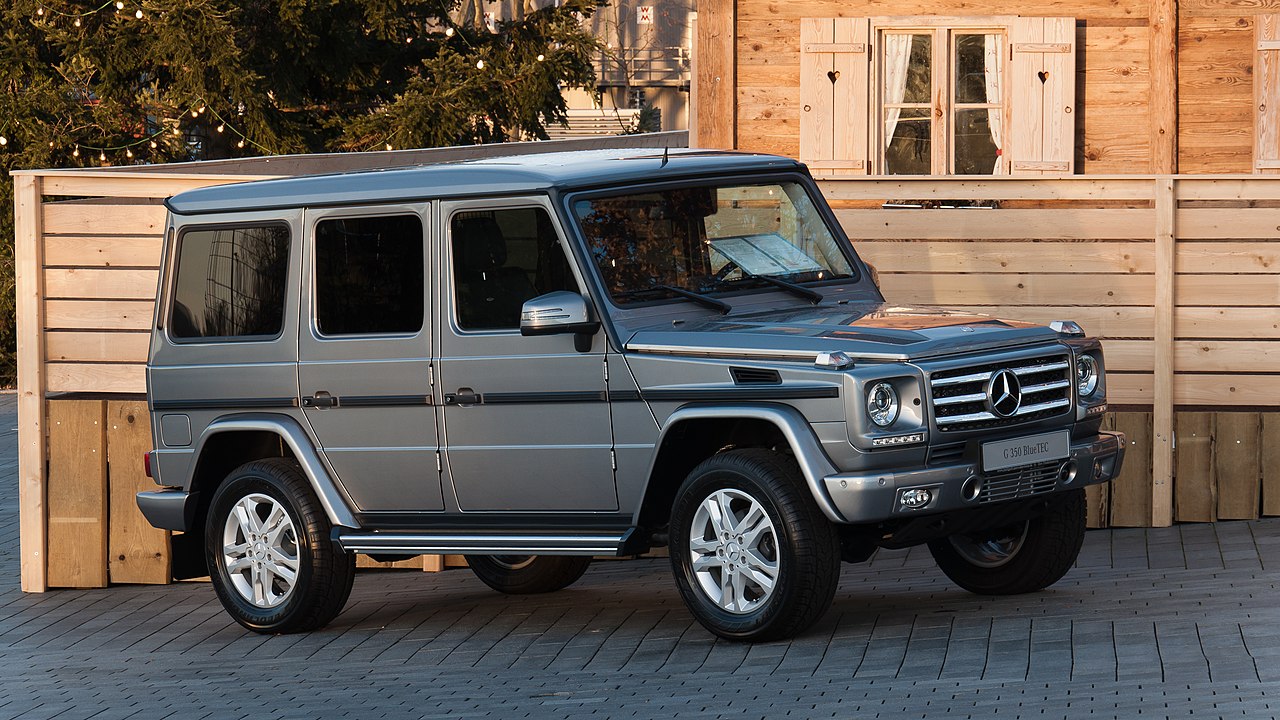
Mercedes-Benz W463 G 350 BlueTEC 01.jpg


Performance: Two powerful engines. Picking between the two depends on the depends on the depths of your wallet. The G550 has enough performance to satisfy majority of buyers. The G63 AMG moves the G-class swiftly but is expensive and burns through fuel like no tomorrow. 

On the road: Way too much wind and road noise. Plus it's not all that great to drive thanks to the heavy steering which makes city driving a chore, and an old school 4x4 set up which feels cumbersome to deal with as a day to day vehicle. Off-road abilities are flawless. 

Buying & Owning: Both versions aren't cheap to buy and you'll need deep pockets to run both of them. Resale value should be strong thanks to the it's reputation for military use and also off-road capabilities. 

Overall: It's one of those vehicles that will sell because of the badge and it's reputation. Other than that it doesn't really offer a compelling reason to buy one. Plus it's just too expensive to buy and run one. The Range Rover is a much better package and is much cheaper to buy. Picking the G-class is clearly a status symbol because there really isn't a reason to buy one when there are so many cheaper indirect alternatives. 

Likes: Legendary off-road prowl. Built to last. 

Dislikes: Priced very expensively with running cost that could make you cry. AMG will burn through fuel like it's going out of style.