What's On

Showing posts with label Velar. Show all posts

Friday, January 6, 2023

Land Rover (Range Rover History)

Range Rover (1241369888).jpg

1969 - Prototype Range Rover Velar

In order to keep the prototype for the first-ever Range Rover a closely guarded secret, the designers and engineers behind this revolutionary new vehicle gave the top-secret prototype the name ‘Velar’ and even fitted the first 26 prototypes with a badge of the same name to disguise its identity. The name Velar was derived from the Italian word ‘velare,’ meaning to veil or cover.


1970 - First Production 3-Door Range Rover

Following the successful testing of the Velar concept vehicle, the first Range Rover was revealed to the world. It was met with widespread critical acclaim, thanks to a rare combination of capability and elegant design. It was the first vehicle to deliver permanent 4 Wheel Drive and feature split tailgate, clamshell hood and continuous waistline.
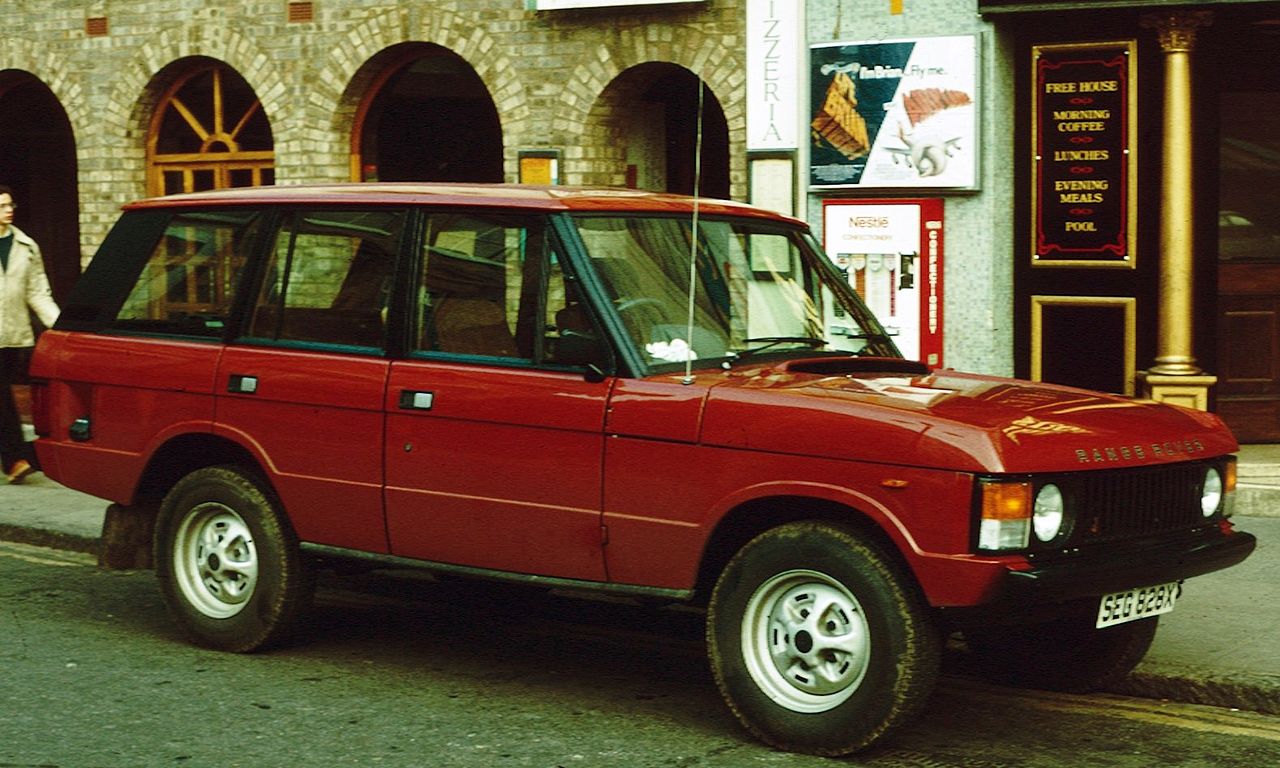


1981 - 4-Door Range Rover

After 11 years on the market, the Range Rover Classic was made available as a four-door vehicle, giving greater options to the vehicle’s ever-growing fan base.

1995-1998 Land Rover Range Rover (P38A) 4.0 SE wagon 05.jpg

1994 - Second Generation Range Rover

More luxurious than its predecessor, the design accents of the second-generation vehicle – such as the iconic silhouette and the introduction of rectangular headlights in place of the circular ones – have stood the test of time, making the vehicle instantly recognizable to the present day.


2001 - Third Generation Range Rover

Ever evolving, this Range Rover was the first to be built with a unibody. The design inspiration for the hull was taken from the tapering of the Italian Riva speedboat, while the pulleys on the luxury yacht prompted the metallic finishes inside the vehicle.


2004 - Range Stormer Concept

The Stormer concept car would become known for showcasing the future design direction of the Range Rover, as well as the bold approach to the adoption of new technology within the vehicles.

2005-2008 Land Rover Range Rover Sport wagon (2011-03-23).jpg

2005 - Range Rover Sport Production

The introduction of the first sports SUV in the Range Rover family showed the Land Rover commitment to performance. Engine options included a Supercharged 4.2-liter gasoline engine which delivered rapid performance. The Range Rover Sport also offered cross-linked air suspension, giving drivers optional ride height, which optimized comfort and 4x4 driving, on- and off-road. The varying height was one of the many distinctive new features which reflected the dynamic performance in the appearance of the vehicle.


This cross-coupe concept vehicle was an ambitious and progressive step for the Land Rover design team. Targeting drivers who would rarely go off-road, the concept vehicle still retained the legendary capability of Land Rover while housing an interior dubbed as ‘futuristic’ by the press.

Range Rover Evoque - Jordan - 111 (6279818275).jpg

2011 - Range Rover Evoque Production

Named ‘Car of the Year’ by numerous outlets, the Range Rover Evoque made a splash as soon as it was unveiled at the Paris Motor Show in 2010. Many features seen on the LRX concept vehicle made their way into the luxurious cross-coupe, including the fresh interpretation of the classic Range Rover design.
Land Rover Range Rover Autobiography 2016.jpg

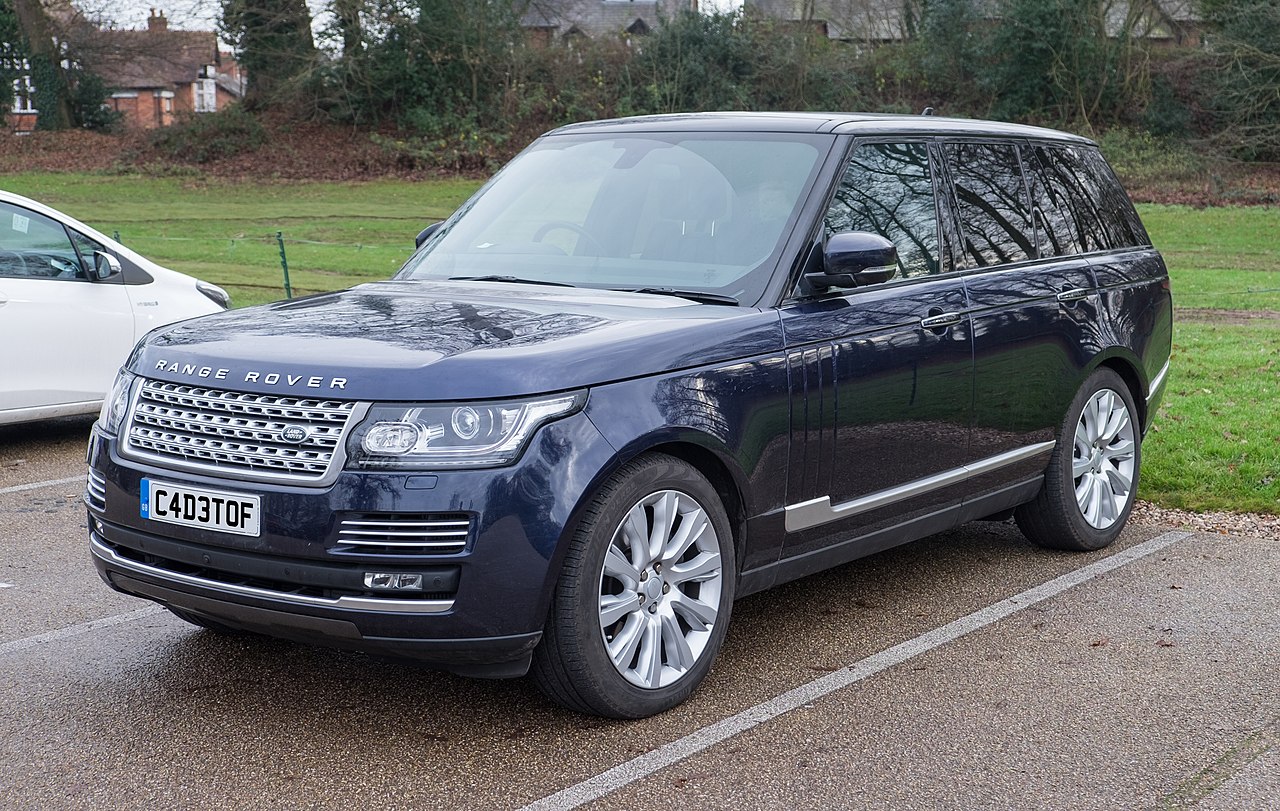
2012 - Fourth Generation Range Rover

The fourth incarnation of the Range Rover was the first to feature a lightweight all-aluminum body and was instantly recognizable due to its long wheelbase and floating roof. The vehicle also featured the next-generation version of the Terrain Response® system developed by Land Rover. This in-built driving technology automatically selects the best vehicle setting for the terrain.


2013 - Range Rover Hybrid

The first hybrid of the Range Rover family not only delivered improved fuel economy and reduced emissions, but most importantly did not compromise on capability. To prove it, the vehicle embarked on a 10,000 miles journey from Solihull to Mumbai via the ultimate off-road driving test: the Himalayas.

ALL-NEW RANGE ROVER SPORT REVEALED (8594176684).jpg

2015 - Range Rover Sport SVR Launch

Engineered to deliver a high-performance SUV with optimum power, the Range Rover Sport SVR was the first to be produced by the Special Vehicle Operations Team. As the fastest Land Rover model ever, the vehicle offers an unforgettable drive. Its thrilling experience isn’t reserved only to anyone behind the wheel – in fact, the vehicle’s power is reflected in design features such as the quad tailpipes and unique rear spoiler.

2016 Land Rover Range Rover Sport (L494 MY16.5) HSE SDV6 wagon (2017-01-22) 01.jpg

The pinnacle of refinement and luxury, the Range Rover SVAutobiography redefined the Range Rover experience. Attention to detail shows in the Brushed Aluminum finishes and the executive seating in the cabin. On the exterior, a unique choice of color palette ensured drivers were getting the ultimate luxury experience synonymous with Range Rover. The SVAutobiography Dynamic was introduced shortly after, and with its distinctive design and powerful V8 engine, the vehicle’s stance reflected its power and agility.
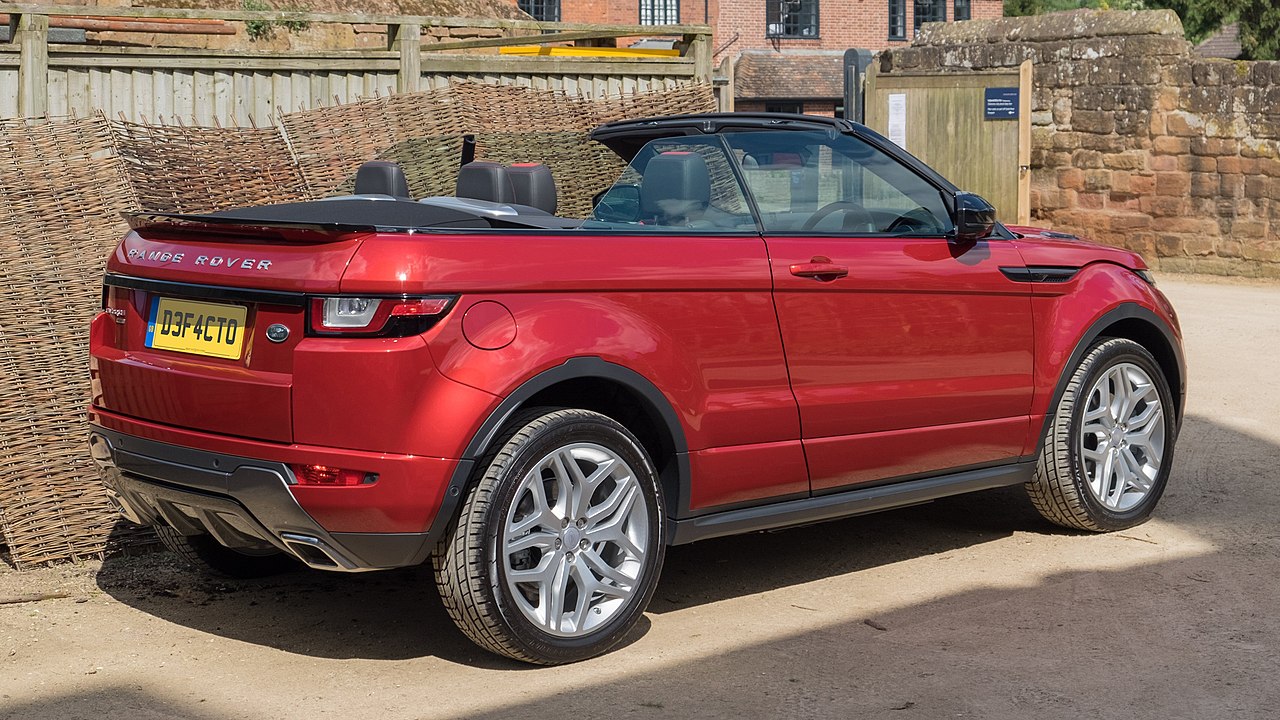


2015 - Range Rover Evoque Convertible

The very first convertible Range Rover, the Evoque Convertible, combined the capability Land Rover vehicles are renowned for but introduced a Z-fold roof, all while maintaining the strong visual stance crafted by Land Rover designers. The result is the world’s first premium compact and most capable all-terrain 4x4 convertible SUV.

From the top-secret Velar concept vehicle to the first ever Range Rover Evoque Convertible, the evolution of the Range Rover is clear. Never compromising on capability, the luxury SUV continues to set the bar in car design, capability and performance.

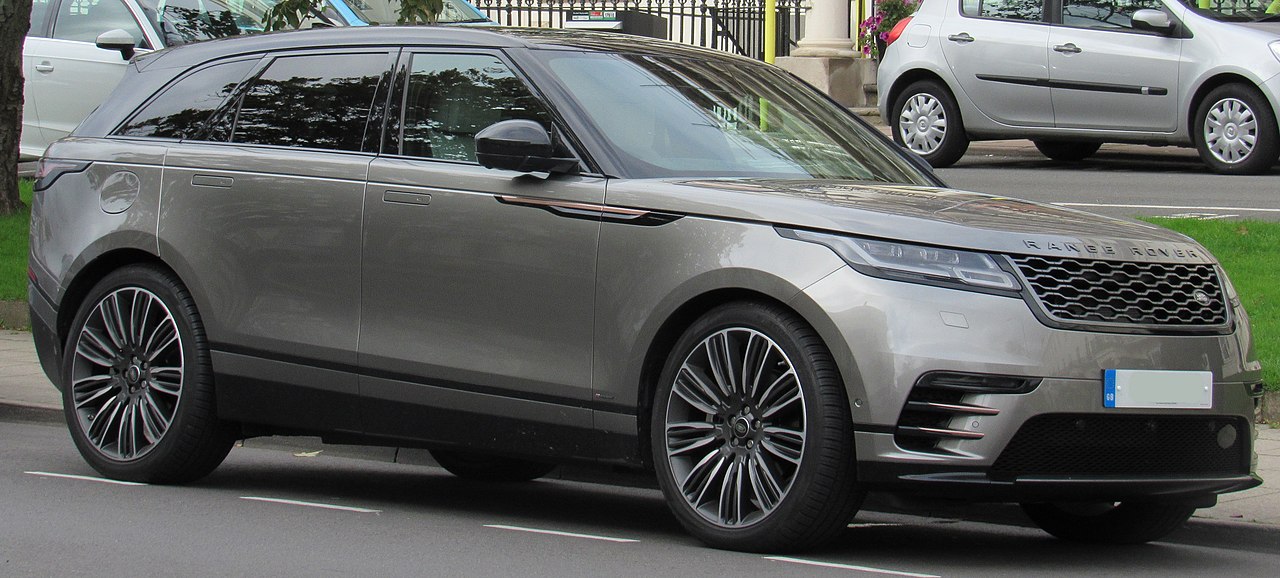
Range Rover Velar.jpg

A new addition to the Range Rover family is revealed. With its compelling clean lines and visionary design cues, the Range Rover Velar promises to deliver an SUV with the same effortless capability, luxury and refinement expected of all our vehicles.

We drive a (UK-spec) Land Rover Velar


Range Rover Velar.jpg
The name Velar isn’t the result of drunken scrabble, but a name that holds history with Land Rover. A name so prestige should have a prestigious vehicle behind it.

We feel a bit daring when we say this but Land Rover has been on a bit of a design revolution as of recent. The newly redesigned Disco looks amazing and now we have the Velar which is stunning. Audi, BMW and Mercedes won’t be sleeping well at night.

The UK market gets a choice of three diesels and two petrol engines. The entry-level 2-liter turbo-diesel pumps out 180hp (and is the same diesel engine sold in the U.S.) and a more powerful 240hp is available. Top of the range for the diesel engines is a 3-liter turbo-diesel six-cylinder pumping out 300hp. The petrol engines are limited to a 2-liter turbo four-cylinder pumping out 250hp and a 3-liter supercharged six-cylinder with a choice of 300hp or 380hp. Our tester car was the 2-liter turbo-diesel in 240hp (D240) in standard Velar trim.

It’s a bit strange that Land Rover doesn’t offer the more powerful 2-liter turbo-diesel here in the U.S. because this engine feels far more flexible and smoother than the 180hp form that we get; to be fair it’s great we get a diesel engine period. What we love the most about the more powerful 2-liter engine is that it doesn’t feel sluggish to respond and the added torque gives you more pull where it matters the most. However, the running costs do take a slight hit with the more horsepower but why would anyone buying a Land Rover care about that? Well, we certainly did because fuel prices in the UK are pretty high and it made us miss having the lower output even more. Driving on the right side of the road takes an abundance of getting used to; but we adjusted quickly as we were very eager to enjoy as much time behind the wheel of the Velar as possible.

On the road the Velar feels very comfortable to drive and doesn’t feel lofty around the corners and bends like you’d think most 4x4s would. It doesn’t feel as sharp to drive as a Porsche Cayenne but it certainly isn’t far from it. Wind and road noise are well suppressed thanks to a well-insulated cabin and the diesel engines makes all the right noises when you accelerate hard, but remain hushed at city speeds and cruising speeds on the highway. Steering feedback is where it should be and doesn’t feel heavy and clumsy when driving around town; however some tiny roundabouts make the Velar feel cumbersome at times.

The driving position is spot on good with a commanding view of the road ahead. The seats offer plenty of comfort and adjustability. The second row seats are decent in space, but you’d think there would be more legroom. The transmission tunnel makes life for the middleman very compromised. The boot space is generous too, now on to the infotainment system. The double screens add such class to the Velar that other Land Rovers don’t really have. It’s nicely positioned and you can adjust the first screen to angle to your preference. It’s quite lovely the whole design, but functionality is still questionable as the two separate screens can be quite distracting while on the move. We are starting to understand more and more why forward collision waring with full brake is being pushed for standard kit as these new infotainment systems are quite distracting and can potentially lead to a possible fatal crash if the driver isn’t paying attention to what they are doing! We found ourselves often playing it safe and just pulling to the side of the road to adjust certain controls such as the climate control and setting the Navigation system to find a location.

You can choose between three trims; Velar, R-Dynamic and First Edition. The First Edition comes with every option ticked as standard. We had the standard Velar trim which came with plenty of kit standard. LED headlights, autonomous emergency braking, lane departure warning and low traction launch system. Also fitted standard is 18-inch alloy wheels, heated door mirrors with auto-folding mirrors and intrusion sensors to protect your vehicle against theft. What we found a bit odd though is the boot didn’t have a hands-free open/close and the standard alloy wheels look tiny compared to the larger more premium alloys that are available as an option.

The Velar certainly is the best looking Land Rover hands down and even in this segment. The interior is classy and well designed, however you can’t ignore the iffy infotainment system which does get annoying at times and also the fact that some key features are optional instead of standard. Again, this isn’t the U.S. spec version of the Velar it’s the UK spec. We did enjoy our time with the Velar and how fun it is to drive. It is worth noting though that the standard version may appeal to those who are looking for cheapest way into a Land Rover but should keep in mind that it’s worth paying the extra for the R-Dynamic.

Likes: The diesel (D240) had strong pull and decent running costs. It has such a classy look inside out. Dare we say the best looking in this segment?

Dislikes: Typical Land Rover infotainment system nightmare, the electronic door handles are cool but are annoying at times.

[US-Spec versions tested]

P250 *** (We pick the P250 simply because it offers decent flexibility and running costs. However, most buyers choosing a Land Rover in general won't care too much about running costs at all. But if you do want a nice compromise this is the way to go.)

D180 **** (We love that Land Rover has finally offered a diesel engine here in the US. Some may argue that it really isn't needed since most Land Rover Buyers don't really care about running costs. However, we found it to be more than enough thanks to high torque at low revs. It may not be the most refined diesel on the block, but it does give you style and very low running costs for the class.)

P380 ** (Most Land Rover buyers will choose this engine as it's the quickest of the range. However, quicker sometimes doesn't mean better.)

Overall: The dual infotainment screens are prone to finger prints and require a learning curve to navigate through them. Also, they can be quite distracting while on the go. The Velar in general is a stylish vehicle, however it feels like it's all style and no real substance.

Friday, April 20, 2018

Land Rover (short-drive) which one should we buy?


We're looking to replace our Mitsubishi Outlander Sport with something a bit more posh. The Land Rover Evoque we had wasn't the most reliable but it certainly wasn't that bad to own either. However, we do want to give Land Rover another go. The new Velar and Discovery are two strong considerations.

Land Rover Discovery Sport HSE Luxury TD4 2016.jpg

Land Rover Discovery Sport

Likes: It still lives up to Land Rover reputation for off-road capabilities. There's finally a more powerful engine option. Unique 5+2 seating configuration.

Dislikes: The auto gearbox often doesn't feel on the same page as the engine. We certainly wish there was a diesel engine option. Reliability is still iffy.

Overall: It's Land Rover's best selling model here for good reason.

2017 Land Rover Range Rover Velar First Edition D3 3.0 Front.jpg

Land Rover Velar

Likes: The most stylish Land Rover of the range. The interior is stunning to look at with very cool digital displays.

Dislikes: Finicky door handles and infotainment displays.

Overall: It's a home run from Land Rover.


Land Rover Evoque

Likes: A baby Land Rover that's still fully capable off-road. The convertible version is an oddball but we love it. More powerful engine option available.

Dislikes: The convertible is a bit pointless. Rear seat space is on the cramped side.

Overall: The Disco Sport is roomier and cheaper but a convertible SUV makes it even more intriguing.

2017 Land Rover Discovery HSE TD6 Automatic (01).jpg

Land Rover Discovery

Likes: It seats up to seven people. The electric folding seats are pretty cool. The diesel engine has the lowest running costs.

Dislikes: Reliability short-term and long-term still remain iffy.

Overall: It's quite literally our favorite Land Rover of the range.