What's On

Showing posts with label car review. Show all posts

Friday, February 10, 2023

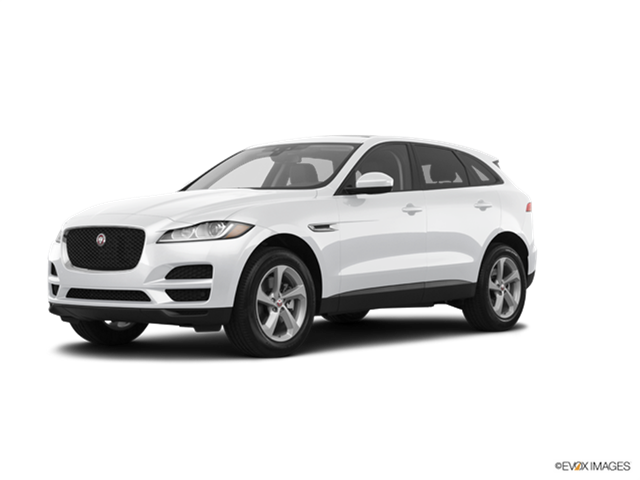
We set a new pace with Jaguar (Updated with diesel engine) - (Used)


Image result for 2017 jaguar f-pace no copyright photo
Jaguar has finally taken a page from Porsche with a crossover, a mighty fine crossover at that. But it doesn’t come without its flaws and those flaws definitely can’t go unnoticed.

There are four engines to choose from. We only managed to test one of them, but we are going to go through all four engine options first. Standard 25t AWD uses a new 2-liter turbocharged four-cylinder pumping out 247hp. 20d AWD gets our favorite 2-liter turbo-diesel pumping out 180hp. 35t AWD (our tester car) comes equipped with a 3-liter supercharged six-cylinder producing 340hp while top of the range S AWD uses the same 3-liter supercharged six-cylinder pumping out 380hp. The only vehicle we’ve managed test drive the diesel in is the XF and that had mixed opinions. We loved the 35t AWD in the XE and well those opinions hadn’t changed much when applied to the F-pace.

The engine provides strong pull from a standstill and is actually quite easy to drive around town. We love the raised driving position and despite having a higher center of gravity compared to the XE sedan, the F-pace handles just as well. Our tester car came equipped with an air-suspension which allowed us to slip it into comfort mode. This made the driving experience impeccable. Dare we say it’s better than an Mercedes S-class? Steering feedback is where it should be and the ride comfort can range anywhere from firm to extremely comfortable. Road and wind noise won’t be much of an issue as the F-pace irons out both well.

The infotainment system has been a huge headache for us. It’s not that the interface is hard to use, it’s the quality of it. Several times it would freeze up and sometimes wouldn’t respond at all. The gear selector didn’t rise up from the console until moments after the vehicle has been activated and the auto high beams are overly sensitive. They often confused lightly shaded areas as a need to have headlights on at the highest setting. We were greeted by a few angry drivers who of course were blinded by our headlights. The engine check light activated as well and the rear parking sensors completely failed on us. Prior to returning the F-pace the car completely stalled on us while we were on a busy street. The Jaguar Dealer sent a tow-truck quickly and told us that someone used the wrong grade fuel this is why the engine shut off. We didn’t stop for fuel during our test of the car so we’re guessing it was the fault of the dealer.

Our tester car came kitted with power-folding mirrors, full-LED headlights; navigation system and dual-zone climate control. The optional extra bits included steering wheel memory, Meridian premium sound system and a full air suspension. You’ll have to pay extra for the kit that you’ll most likely want with the F-pace which pushes the price up considerably. The F-pace we had was mildly kitted and seemed priced within reason. We would most likely choose the diesel engine as it has low running costs and seems quite flexible thanks to the high torque at low revs. Sadly we didn’t get the chance to test that one.

The F-pace really does feel different from the Land Rover Disco Sport. It certainly is more entertaining to drive than the BMW X3, sadly we had so many electric issues with our tester car and of course the engine completely stalled on us when we were taking it back to the dealership. It seems as if Jaguar is taking steps in the right direction but the quality we feel needs to improve. Otherwise this is one of the best luxury crossovers you can buy. It’s stylish and easy to live with. It is a great crossover that’s hard to hate.

Likes: It’s fun to drive and very practical. Jaguar did a fantastic job with the styling and on-road dynamics are superb.

Dislikes: It suffered from electrical issues.

Our pick: Sadly since we only could test one of the four engines. We’d say stick with the cheaper turbo four-cylinder (25t) for those who want the F-pace at a decent price. Our tester car came in at over $60k but the amount of standard kit matched the asking price. We just wish that it didn’t stall on our test drive of it. The turbo-diesel option (20d) is the way to go if you plan to do tons of highway driving and want to have the most appealing running costs.

Update: We finally got our hands on an F-pace Diesel. We still stand by our statement of choosing the diesel of the petrol engine options. It seems to be the better deal overall. We know that most people will say if you can afford a Jag why on earth would you ever need a fuel saving diesel engine? Well, the diesel engine fits the character of the F-pace as a highway commuter car. It doesn't feel overly powerful and yet it still remains posh and refined. We loved how smooth the engine revved and it didn't feel like it was out of puff around town or on the highway. The only time it feels sluggish is when you run out of steam but that rarely happened with us. We are still trying to figure out when we are going to be able to test drive the new 2-liter turbo engine that Jag/Land Rover developed. 

Thursday, February 9, 2023

Comparison: Outlander Sport vs Rogue Sport (used)

Image result for mitsubishi outlander sport no copyright imageImage result for nissan rogue sport no copyright image

Mitsubishi Outlander Sport vs Nissan Rogue
(Note: The Nissan Rogue Sport we were able to get our hands on had a starting price of $23,999* and the Mitsubishi Outlander Sport we could find to evenly price match with was $23,249*. Later in the review we will explain why we had to enclose this note.)

We decided to do a new vs old review. The Mitsubishi Outlander Sport has been on sale for some time now and has been given moderate updates here and there but the engines are both tested tried and true. Nissan has been in this segment for a while as well with their European Qashqai which wasn’t sold here until now. They’ve renamed it Rogue Sport in hopes to lure in buyers who want a crossover but in a smaller more urban friendly size. We definitely had to do a comparison test, old vs new.

Performance: The Nissan Rogue Sport comes with a 2-liter four-cylinder which pumps out 141hp. When we first reviewed the Rogue Sport it was front-wheel-drive and we thought it was perfectly fine in that configuration. However, the version we have now is all-wheel-drive and the traction is there. It does provide plenty of confidence on slippery surfaces but the problem is the engine feels anemic and with the extra weight of the all-wheel-drive it really doesn’t help. The Rogue Sport is fine around town and can keep up with faster paced traffic, our only gripe is that we wish that the turbo engine from the Juke was offered here. It would make the Rogue Sport more enticing and also help the Rogue Sport live up to the ‘sport’ in its name.

The Outlander Sport does come with two engine choices. The standard 2-liter four-cylinder pumping out 148hp was the version we were looking for but the examples (the dealers) had would’ve pushed the Outlander Sport price way below that of the Rogue Sport and made the comparison a little unfair. We opted for the 2.4 instead and well it still feels like an unfair comparison considering the 27hp difference between the two of them. The engine however is more flexible than the Rogue Sport and while the running costs are too much higher, we still appreciate the added power to match with the weight of the all-wheel-drive system.

Winner: The Outlander Sport won this not because it had the most horsepower but the engine doesn’t feel as anemic as the in the Rogue Sport. We tested the Outlander Sport with the 2-liter engine and all-wheel-drive and even in that configuration it didn’t feel as sluggish as the Rogue Sport.

On the road: The Rogue Sport does feel lighter than the Outlander Sport, this helps make the Rogue Sport easier to drive around tight urban streets. We love how the steering isn’t overly but does enough to provide feedback where it matters. You can chug the Rogue Sport around and it handles pretty good considering the higher center of gravity and the fact that despite the lack of horsepower it is much more fun to drive the Rogue Sport fast than the Outlander Sport. We managed to do the same run with the Outlander Sport and while it is the more powerful vehicle here, the steering isn’t where it should be and the handling is not as composed. We know that most people won’t be chugging these crossovers into bends and corners like hatchbacks but it is nice to have a decent handling crossover and the Rogue Sport definitely trumps in that aspect. Both have low wind and road noise and both are easy to live with in general. It was a little hard to come to decision and just called a tie here.

Behind the wheel: Where the Outlander Sport fails is the driving position. It feels like you have to have long arms because the seat doesn’t offer upright seating comfort that the Rogue Sport does. The dashboard layout is simple and easy to navigate through thanks to the large touch screen infotainment system. It isn’t as crisp as the one in the Rogue Sport but we do appreciate the fact that it is a lot easier to navigate through. Space in the rear seat is tied between both. We appreciate the visibility being good in both but the Rogue Sport easily takes the win for this one.

Equipment: The Rogue Sport came fitted with all-wheel-drive, automatic headlights, keyless entry with push button start and multi-zone climate control. 17-inch alloy wheels, rear-view parking camera and integrated roof rails also came standard.

The Outlander Sport came fitted with Xenon-headlamps, premium sound system by Rockford-Fosgate, auto-dimming interior rear-view mirror and leather seats. All-wheel-drive was fitted as well as dual-zone climate control and a rear-view parking camera.

Winner: The Rogue Sport and Outlander Sport both lack the active safety features that should be standard but the Outlander Sport wins hands down on the value for the money factor.

These are two different approaches to crossovers. The Rogue Sport is the more modern option compared to the Outlander Sport which feels like its age. We loved how the Outlander Sport had the more flexible engine and was the more comfortable to drive around town, but the Rogue Sport was way more enjoyable to drive in the city but felt out of its depth on faster paced roads. Picking between the two of them merely comes down to what you desire the most, the newest and more modernized or the value for the money. We love the Rogue Sport but you can get so many of the Outlander Sports at dirt cheap prices.

Winner: The decision to pick a winner really did fall on deaf ears as both loved the Rogue Sport the most and most arguments were in favor of the on-road dynamics of the Rogue Sport and the fact that it is a better overall package. The only argument that could be presented with the Outlander Sport is better reliability, lower prices and higher standard kit. We eventually came to the conclusion that the Rogue Sport will fit everyone. It has a lot going for it in terms of low-running costs and the easiest to live with. We just wish that Nissan made the Rogue Sport live up to the ‘sport’ in its name.

Nissan Rogue Sport

Likes: The easiest crossover to live with and has very low running costs. Exterior styling and interior styling are attractive with a boot that’s generous in space.

Dislikes: The engine feels anemic and not everyone will be convinced to pay near $35,000 for a compact crossover with barely any active safety features and a sluggish engine.

Mitsubishi Outlander Sport

Likes: It has the strongest engine between the two of them. It also came with the most standard features for a dirt cheap price.
Dislikes: It doesn’t feel as refined as the Rogue Sport. Residual values will be weak.

Engines:

Nissan Rogue
2-liter four-cylinder 141hp (AWD)

Mitsubishi Outlander Sport
2.4-liter four-cylinder 168hp (AWD)

Saturday, January 28, 2023

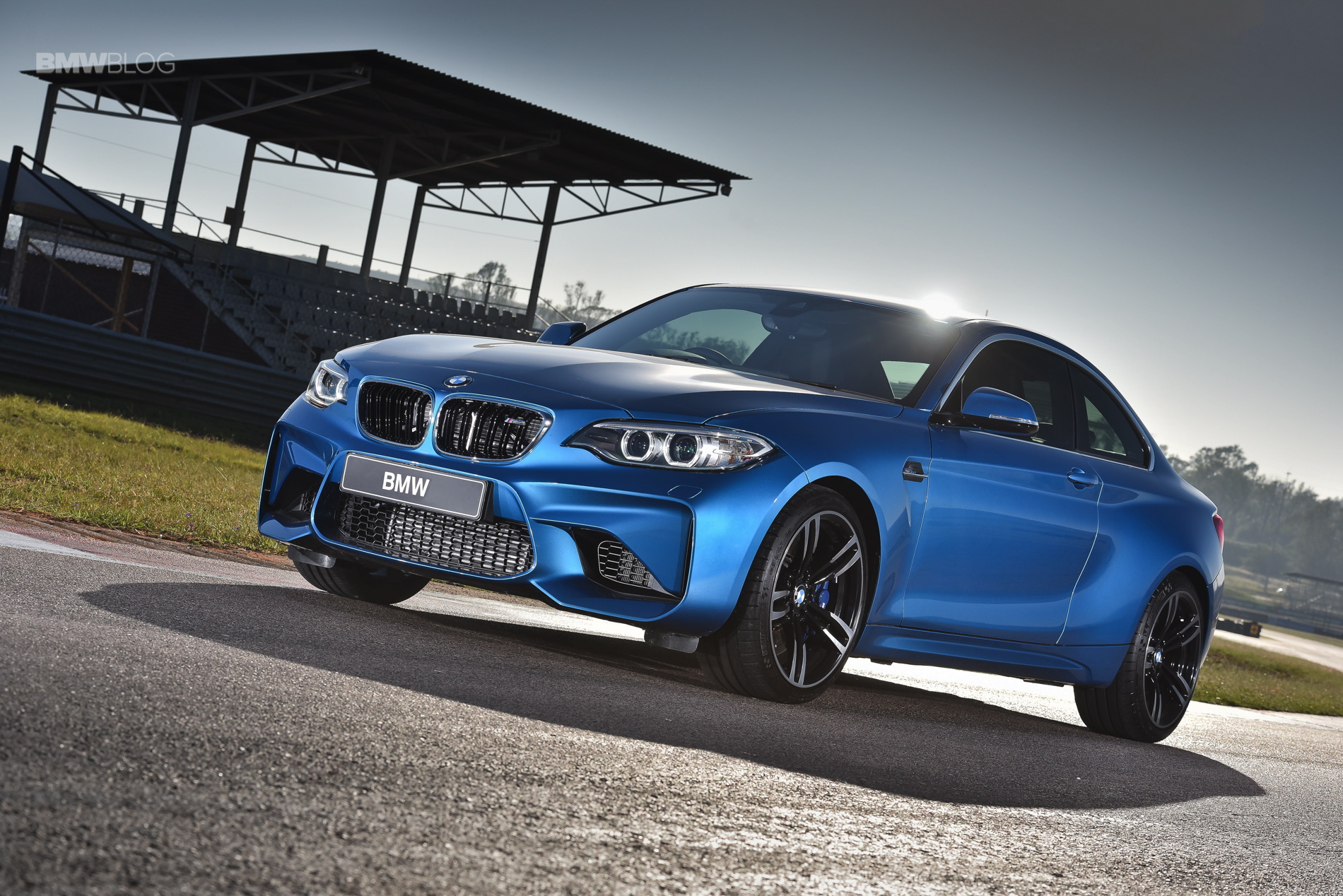
The M2 maybe the best M-series BMW ever


Image result for 2017 bmw m2 no copyright
Sell the house. Risk everything in Vegas or ask your great auntie for an advance in your inheritance. Do whatever it takes because you don’t want to go to your grave without ever have driven or owned a BMW M2.

The M2 goes back to the days when BMW cared more about driving dynamics than electronic gizmos. The only thing lacking here is the naturally aspirated engine, instead you’ll be greeted by a smooth 3-liter turbocharged six-cylinder pumping out 365hp. Acceleration is wicked fast and it never feels like it’s going to get out of hand thanks to the electronic stability control and the high amount of torque at low revs. This helps the M2 feel very pleasant to drive around town and when you want to put your foot down there’s plenty of oomph to satisfy all.

The steering feedback is the way it should be, communicative which gives plenty of confidence when driving through narrow switchbacks and tight bends. The chassis is what sparks the most confidence because it sticks to each corner as if it is riding on rails. We love the way the M2 feels, it strikes a nice balance between comfort and sporty handling. The ride comfort isn’t overly firm unless you select sport mode, but even in sport mode the ride isn’t overly firm. Road and wind noise is nothing to complain of.

The interior layout feels logical with everything within reach of the driver’s hand. BMW is known for their minimalistic looking dashboard design with an easy to use iDrive interface. We do wish that BMW did spice the interior up a bit more compared to some of its keen rivals. We do love the supportive front seats while those in the rear shouldn’t have too much to complain about, it isn’t the most spacious but it isn’t all that bad either. People who will buy this car won’t really have anyone in the back anyway so there’s no real point in mentioning this. Boot space is decent too considering the small size of the M2.

Our tester car came equipped with power-folding mirrors, Xenon-headlamps, Executive Package which adds rear view parking camera, heated steering wheel, auto high beams and wireless charging for your mobile device with WiFi hotspot. The auto gearbox is optional while the six-speed manual is standard. We weren’t able to find one with the manual gearbox and had the more costly automatic.

We are going to go out on a limb here. The M2 is literally the best M car we’ve driven from BMW. It takes us back to the days of lightweight fun to drive BMWs that could tackle the track with sheer confidence and doesn’t feel like a heavy robot car. You don’t want to go to your grave without ever have driven one.

Likes: Comfortable and easy to live with and is track ready. The turbo engine is smooth and quick. Hands down the best M-series you can buy.

Dislikes: Typical of BMW to be stingy on standard kit and expensive with options.

Devon test drives Mercedes C-class Sedan (used)

2015 Mercedes-Benz C 200 (W 205) sedan (2015-07-03) 01.jpg

The newest C-class sedan may leave the BMW 3-series shaking in its boots; because the new C-class really is a sedan worthy of being a real alternate to the 3-series sedan.

C300 comes with our favorite engine choice. It’s a 2-liter turbocharged four-cylinder pumping out 241hp and is the most sensible choice for those who want their C-class to have a price tag within reason. C400 4matic trim gets an even more oomph thanks to a 3-liter bi-turbocharged six-cylinder with 329hp. AMG fans can rejoice because there is not only one but two engines you can choose from; and unlike the M3 sedan both are turbocharged eight-cylinder engines. C63 form uses a 4-liter bi-turbocharged eight-cylinder producing 469hp and the C63 S using the same engine pumps up the output to 503hp.

The C-class just doesn’t feel as composed as a 3-series and it isn’t as sharp to drive either. Our tester car came equipped with the air-suspension system which made the ride feel more comfortable and composed in bends and sharp corners. The best of the bunch goes to the AMG forms which seem to be outrageously fast and contagious to push hard the engine note is simply amazing and the steering inputs are communicative. Wind and road noise won’t be much of an issue unless you option for the glass roof and the wind noise won’t be completely shut out and that’s just doesn’t fit the Mercedes caliber of refinement.

Slip behind the driver’s seat and you’ll be greeted with plenty of adjustments and comfort. Headroom and legroom is good while those in the back may suffer a bit in the legroom department. Boot space is decent too for a sedan. Visibility is decent too and the overall infotainment system is pretty much well laid. The infotainment system is best used with the rotary knob located in the center console, it makes things a lot easier to use while on the move but some of the menus are distracting. We still don’t like the single stalk used to control the wiper blades and turn signal.

C300 comes standard with auto headlights, rain-sensing windshield wipers, Bluetooth, LED brake lights and leatherette seating surfaces. C300 trim can be had with a luxury package which adds special alloy wheels, topstitched MB-Tex upper dash trim and a comfort suspension. Sport package adds 18-inch alloys, sport tuned suspension and brushed aluminum pedals. C400 trim comes standard with 4matic all-wheel-drive 18inch alloy wheels, LED headlights and tail lamps with AMG body-kit agility control for the suspension. Both AMG forms add the aggressive AMG styling with AMG crafted interior and performance tuned suspension, steering and an excellent turbocharged eight-cylinder engine.

The C300 and C400 are the only two trims that really do make the most sense. Both are decently priced and offer decent kit for the money, but for those who just have to have an AMG the C63 form is decent but expensive and you’ll get nowhere near the estimated 18city/25hwy even if you are the most careful driver in the world. The C63 S adds more power and bumps up the price tag north of $70k and let’s just face the truth anyone buying an AMG concerned about running costs shouldn’t even consider an AMG at all. Resale value should be good too.
The C-class sedan at times feels like all style and little substance, even if the 3-series isn't as stylish. The 3-series is still more fun to drive and offers the better infotainmet system. It's hard to fault the C-class too because it really is a great overall package but the price tag is steep and well the most fun to drive forms are the ones that you'll pay an arm and a leg to run.
Likes: Stunning looks inside and out. AMG versions are the best forms, but the C300 and C400 are the most sensible.
Dislikes: Not as sharp to drive as a 3-series and it isn't cheap to buy either. Halogen headlamps on standard C300 is just disappointing at this price point.

Devon test drives the Activehybird3 replacement (Updated)


BMW wanted to prove a point when they created the Activehybrid3. They wanted to create the sportiest hybrid you can buy. But it didn't really live up to the hype that BMW hoped it would, so the 330e iPerformance is here to fix that. It's a plug-in hybrid, but does this mean that it loses BMW Core Values?

Performance: The 330e iPerformance comes with a 2-liter turbocharged four-cylinder instead of the 3-liter turbocharged six-cylinder from the previous Activehybrid3. It also pumps out even less horsepower at 248hp and 310lb-ft torque. Flexibility is actually not as bad as you would think since there is diesel like torque at low revs. We really do however miss the powerband that the old Activehybrid3 had. It felt more special than this and wasn't so focused on running costs with the electric only mode and plug-in feature. We understand hybrids and electric cars are the future but the Activehybrid3 was special in its own right and this just doesn't feel that special.

On the road: The 330e we had as a tester car only came with the adaptive M sport suspension which really does improve handling and steering feel. Even with the combined M-sport package with larger alloys we still found the ride comfortable and much more refined than the C-class with AMG package. In the cabin road and wind noise are all well suppressed with a premium feel.

Behind the wheel: There’s plenty of space for the driver and front passenger to get comfortable. Passengers in the rear seat will also find comfort as well. The infotainment system and iDrive are a paradigm of clarity. Everything is easy to use thanks to the redesign of the iDrive system and of course BMW’s minimalistic approach to dashboard layout. The boot is of decent size too even though it is smaller than the standard 3-series.

Equipment: The 330e iPerformance comes standard with LED fog-lights, power-folding/heated exterior mirrors and HiFi 7-speaker sound system. You'll have to pay extra for LED headlights, leather seats and rear-view parking camera. There are cheaper hybrids out there that offer more value for the money, which is one of the many reasons we loved the Activehybrid3, it really didn't have any competition. Even if it was completely and utterly pointless as a hybrid.

Buying & owning: The only reason we really see the 330e making sense is if you are looking for green cred or if you really want a 340 but can’t afford the running costs. It may not have the blistering performance of  the 340 but it is much cheaper to buy and run. Resale value however will be outstanding thanks to the badge.

Quality & Safety: The 330e interior feels classy and well put together. Many of the materials used feel sturdy and long lasting. BMW reliability record has been good but we do however question the long term reliability of the complex hybrid system. When it comes to safety the 330e comes with everything you’d expect a BMW to come with in terms of safety. But for those who may not know, stability control is standard as well as a host of braking technology to help you avoid a collision.

The 330e is one of those cars that only make sense if you are looking for green cred or trying to find a way to reduce your fuel bills without giving up the performance that you crave. It’s a great car to drive but you’ll have to add on the options to make it drive better. Plus it’s close to the entry-level 5-series sedan. If you really want a performance hybrid this is your only option otherwise we highly suggest looking at the 328d or 320i which are both cheaper and just as fuel efficient.

Likes: The most potent hybrid we have ever driven. With the right options it will drive like a dream.

Dislikes: The Activehybrid3 was more charming. The electric-only range is nothing to brag about and neither is the fact that it's sparsely equipped with a price tag near $50k. The 320i and 328d trims still make more sense if you are looking at running costs.

Friday, January 27, 2023

Infiniti Q60 Convertible (look-back)


Image result for infiniti q60 convertible no copyright image

Audi A5, BMW 4-series and Lexus IS all offer a convertible that suits just about everyone’s taste. So why would anyone choose the Infiniti Q60? Let’s find out.

Performance: There’s only one engine offered with the Q60 convertible and that’s a brisk 3.7-liter six-cylinder producing 325hp. Both a seven-speed automatic and six-speed manual gearbox are offered. If you want to get the most engaging driving experience the manual gearbox is the way to go. The auto gearbox really isn’t the smoothest shifting gearbox out there.

On the road: The only thing positive we can say about the Q60 is the steering is direct and takes you around corners and bends with confidence. Everything else however isn’t as great. The body flexes and shivers over rough surfaces. Even with the top down things are far worst. Hit a bump and you’ll get a serious whack in the backside. Wind noise isn’t much of an issue on the highway, but road noise will be heard on some surfaces. The six-cylinder is smooth until you press hard and hear a lovely V6 howl.

Behind the wheel: The dashboard isn’t a paradigm of clarity. But it is somewhat easy to navigate through. There’s plenty of adjustment in the steering wheel and driver’s seat. Rear seat comfort is actually pretty good. It’s even better than some 2+2 coupes. With the roof down the boot space disappears completely thanks to the folding metal roof.

Equipment: Q60 comes with 18-inch alloy wheels, keyless start, and rear-view parking camera and 7-inch color info display. You’ll have to step up to the Q60S to get a six-speed manual gearbox, sport-tuned steering, 19-inch alloy wheels and Bose 13-speaker open air sound system.

Buying & owning: Standard kit is very generous which may explain the car’s hefty price. Since the Q60 only comes with a six-cylinder which isn’t all that fuel efficient. Running costs will be high. Resale value should be decent though.

Quality & safety: The interior has a very nice solid feel to it. Some may feel that the use of Nissan switchgear and buttons cheapen the quality a little. Other than that it’s a very nice and appealing design. Infiniti has decent reliability as well. Six airbags are standard as well as anti-roll-over hoops that pop out in the event of a rollover. Stability control, anti-lock brakes and traction control all come standard. There’s a theft deterrent system to keep thieves at bay.

The Q60 convertible is a good choice if you just have to have an Infiniti. There’s decent kit and the engine is smooth around town and on the highway. But there are just too many negatives to consider. The ride comfort isn’t as composed as its keen rivals and running costs will be high. We highly suggest looking at its rivals first.

Likes: It’s an interesting and good looking alternative to the mainstream. Packed with equipment that somewhat offsets the steep hefty price.

Dislikes: If only it was a good to drive as it is to look at. Running costs will be high. It’s pricey to buy too. The ride comfort isn’t as composed as its keen rivals.

Devon’s choice: It’s hard recommending one with such a steep price and absurd running costs. But if your mind is set on having one, the Q60 base is the only way to go.

Pathological drives a Jeep Wrangler


Rugged go anywhere off-road capability is what you’re going to get with the Jeep Wrangler. But if you want on-road refinement also you’d best look elsewhere. Here’s why:

The standard and sole engine offered in the Wrangler is a 3.6-liter six-cylinder pumping out 280hp. Standard six-speed manual gearbox is the way to go with this configuration as the five-speed auto gearbox just doesn’t seem as refined. We however did get the opportunity to test drive both and well we’d prefer the manual gearbox as it helped us get out of a lot of sticky situations when we decided to get a little adventurous and go off-roading for the first time. It doesn’t seem as sophisticated as the Range Rover that we got to drive on some light off-road trails, but at the same time we weren’t as worried about scratching or dinging up the Wrangler as we were with the Land Rover. After all, the price gap between the two is pretty significant and the rep from the dealership was encouraging us to push the Wrangler as hard as we could on the off-road course.

The Wrangler really does handle off-roading well. It really does have the traction and versatility that you’d expect from a Jeep. We really did enjoy ourselves as we climbed some muddy hills and also a few steep inclines. This vehicle really will put a smile on your face even if you aren’t a fan of Jeep products. However, things change dramatically when you take the Wrangler on-road. It just doesn’t feel as refined as you’d hoped it would. There is far too much wind and road noise that enters the cabin, and the fact that you have to deal with a ride that never feels settled at any given speed. The 3.6 is flexible and has plenty of pull where it matters most, but if you opt for the auto gearbox it just doesn’t live up to the potential and it’s a shame because we love this 3.6 engine.

The interior is more focused towards individuals that enjoy off-roading and will use the proper gear while off-roading. While it’s not the best of the best but we do appreciate the simplicity of the infotainment system and many of the controls. The quality however is iffy in some parts but it is far from a deal breaker for those who really do want this vehicle. Our tester was the three-door version while the five-door (Limited) can be had if you do want the comfort and convenience of two extra doors for the rear seats. The boot space isn’t anything to brag about and well the removable top helps make the Wrangler completely airy but you’d have to have somewhere to store it, and if you get caught in the rain the interior is fully water resistant and you can also drain out the water below the front seats.

There are literally fourteen versions of the Wrangler to choose from. We had the Sport 4x4 trim which came with a hard top headliner, LED lighting package, connectivity package, leather wrapped steering wheel, chrome/leather wrapped shift knob. We were baffled at the cost of our Wrangler as it was literally almost $19,000 more expensive than the actual sticker price. It may seem like an interesting proposition for those who are Wrangler fans, but we certainly wouldn’t pay this premium for one.

The Wrangler is one of those vehicles you’d have to really want one to exploit it for what it is capable of and that’s off-road prowl. On-road dynamics just plain suck and well we’d say it’s worth waiting for the redesigned 2018 model which is supposed to be much more refined.

Likes: Go anywhere capability with an interior that’s water resistant. It was a hoot to drive off-road.

Dislikes: Refinement where it matters is not there and we still aren’t sure about FCA reliability record.

Our pick: We’d stick with the Sport 4x4 trim for those who just want a Wrangler. Everyone else will most likely pick one of the higher trims or special editions to stand out. We personally wouldn’t go any higher than the Rubicon trim because the rest of them get mighty expensive the higher you climb.

Thursday, January 26, 2023

A compact crossover with 'zoom-zoom' appeal (used)


2016 Mazda CX-3 Sport Automatic 2.0.jpg


The compact crossover segment is booming, and the number of offerings is staggering. Safe to say however, the Mazda CX3 is the more fun to drive of the bunch. But it does come with a few compromises.

The sole engine powering the CX3 is a 2-liter four-cylinder pumping out a hearty 146hp. It doesn’t feel out of its depth around town and certainly does have a fun loving character about it when you do venture onto the highway. It feels quicker than some of its keen rivals and while some offer turbocharged engines, the CX3 never feels dull to drive. Steering feedback is communicative and the suspension is set towards agility which in return makes the CX3 feel more of a doddle to drive around town and on twisty narrow roads. However, that fantastic handling does come at a cost. The ride comfort is a tad too firm for our tastes but you’ll forgive the CX3 as the fun to drive nature is there and it makes you forget immediately that this is a compact crossover. It’s more like a Mazda 3 hatch on stilts.

It’s quite easy to drive the CX3 around town. The steering like we said before weighs up nicely where it matters the most. Visibility all-round is pretty good too, but the rear windscreen can be tricky to see out of in certain driving scenarios. The driving position is spot on good, you can see all the corners of the vehicle and it shouldn’t be too hard to park it either, thanks to its dinky dimensions. The whole appeal of the compact crossover is to be able to see over the traffic ahead and feel like you’re in charge of the road. You won’t really get that feeling in the CX3, but it certainly is more comfortable than many of its keen rivals when it comes to driving it as a daily commuter car.

The interior of the CX3 is class-leading. The controls and dials don’t feel fiddly to use and the overall fit and finish is top-notch. The front seats offers plenty of comfort and adjustability, however those in the second row may feel a little shortchanged on legroom. The boot space isn’t class leading either, but then again many rivals are in the same ball park so we can’t really gripe about that too much.

Standard Sport trim gets 16-inch alloy wheels, Bluetooth connectivity for mobile device, auto-off halogen headlights and a 7-inch full-color touch screen display. You’ll have to step up to the Touring Trim to get automatic climate control, rearview parking camera and 18-inch alloy wheels. Top of the range Grand Touring adds LED headlights, LED tail lights and Bose audio system. Our tester car was the top of the range Grand Touring which had all the bells and whistles standard. We certainly wouldn’t pay this much for one as the price tag crept rather close to $33k. We’d go for the mid-range Touring Trim which offers decent amount of kit for the money without being overly pricey.

The CX3 is stylish, easy to live with and has low running costs to match. You’d think that you’ve hit the trifecta when it comes to a compact crossover. However, the rear seat is a tad cramped for legroom and the boot space isn’t all that generous. If you can ignore these few little faults the CX3 is the perfect crossover in a sea of options out there. It’s worthy of the shortlist.

Likes: It’s the most driver focused of its segment. The CX3 is easy to live with and has low running costs with an attractive starting price.

Dislikes: We would list them but they’re just nitpicks.

Our pick: Go right for the Sport or Touring trims. You won’t regret either of them, if you can pocket the extra money opt for the all-wheel-drive system.

We test drive the Rogue Sport (used)

Nissan Qashqai 1.6 dCi ALL-MODE 4x4i Tekna Qab-Pearl-White-Metallic Vorderansicht Bahndamm (cropped).jpg

If you heard the name Rogue Sport you’d immediately think it were a turbo version of the Rogue. However, it’s more of a little brother to the Rogue. Competing with crossovers like the Honda HR-V and Mitsubishi Outlander Sport. Does the Rogue Sport offering a compelling reason to sway buyers away from some of the class best?

The sport tagline seems to be just added to spice the name up because the Rogue Sport really isn’t ‘sporty’ in the nearest form. The 2-liter four-cylinder is the sole engine for this vehicle and it only pumps out 141hp. The running costs are very low on this vehicle which should appeal to those who want a crossover but don’t want to break the bank. We just wish that Nissan offered the turbo engine from the Juke in the top of the range trim for those who may want the extra flexibility and well to be honest give the Rogue Sport a reason to call it a Rogue Sport. The engine isn’t bad at all, when you are driving at relaxed speeds and around town there’s plenty of pep in acceleration. It does feel a little sluggish on faster paced roads but it’s class average in horsepower figures and well if you want more power you’ll either have to get the Juke or step up to the more expensive Rogue.

Driving the Rogue Sport is sort of like every other compact crossover. It doesn’t feel as sharp to drive as the Mazda CX-3 and it certainly isn’t as agile either. It is very comfortable as a daily commuter car and we really love the crossover seating position. Visibility outward and around is good and the overall driving experience is more on the blah side, it does feel livelier than the Rogue but that’s mainly because of the size difference. It’s dinky dimensions makes squeezing around tight urban streets a breeze, however nothing beats the conventional hatchback. The driver’ seat and front passenger seats are very comfortable and offer decent support, while those in the second row will find both legroom and headroom is decent as well. The boot is about class average as well, it’s not the best but it does the job good enough.

Standard S trim gets rearview monitor, advanced drive-assist display and Bluetooth for your mobile device. You’ll have to step up to the SV trim to get 17-inch alloy wheels, push button ignition switch, power outside mirrors with LED turn signals and electrically operated driver’s seat with lumbar support. Top of the range SV trim gets 19-inch alloy wheels, navigation system, leather seats and Around View camera with moving object detection. All-wheel-drive is optional on all trims.

The Nissan Rogue Sport isn’t sporty but it does offer a very compelling package. It offers decent kit for the money and is very stylish, we just wish that Nissan induced more fun into the driving experience and also added the turbo engine from the Juke to standout more from the herd. It’s a great crossover with low running costs and should satisfy those who want a crossover but don’t want to break the bank.

Likes: A crossover that’s easy to park and live with in tight urban areas. Plus it has low running costs and decent standard kit; stylish inside out with a decent sized boot.

Dislikes: It’s not sporty and the engine feels anemic.

Devon’s Pick: The SV trim offers the best value for the money here. You can skip the all-wheel-drive as it’s not needed here, unless you just have to have the extra traction.

 If we could change anything: The Rogue Sport is already a decent crossover worthy of being shortlisted, however we wish that we could replace the engine in the SL with the 1.6 turbo from the Juke. Nissan would dominate the small crossover segment as it would be the only option for a turbo engine at a low price point. We know that the Juke exists but why not add an option for those who don’t like the way the Juke looks but still wants a fun to drive crossover that’s flexible and lives up to the ‘Rogue Sport’ name.

Devon test drives a Volvo S80 (Used)


You’ll be surprised that there are buyers who don’t want an Audi A6, BMW 5-series and Mercedes E-class. For those buyers the Volvo S80, even though it will eventually get replaced by the S90, still is a good option for anyone that wants Scandinavian Luxury at an even more discounted price.

The sole engine option for the S80 is a 2-liter turbocharged four-cylinder pumping out 240hp. It’s one of the smoothest turbocharged four-cylinders we have ever tested and it feels just enough for the S80. The engine never feels short on puff around town and on the highway. You can only have the S80 with front-wheel-drive and with this engine that’s enough. Anything more than that to the front wheels is just down right insane.

The Volvo S80 isn’t even close to be as sharp to drive as a BMW 5-series, but most buyers of the S80 aren’t picking it because of that. They want a smooth and comfortable ride and that’s what they are going to get here. Steering feedback is numb at best and the overall handling is more like ‘safe’ if anything. It doesn’t encourage you to push it hard through corners and bends because well let’s face the facts here. This platform is nearly twelve years old. But not everyone wants a rock hard suspension, and for those you either choose the Mercedes E-class or this.

There really isn’t much wind or road noise to complain of. The turbo engine sounds rather course under heavy acceleration but it is far from a deal breaker. There is no manual gearbox option, but most buyers in this segment don’t really care for one either.

Volvo has always been a paradigm of clarity when it comes to their dashboard layouts; all the controls are within easy reach of the driver’s hand. The seats are all day comfy and offer plenty of support. Rear passengers will find comfort as well. Plus the S80 is one of the few sedans in this segment to have split folding rear seats standard and a boot that’s generous on space.  

All S80s come standard with keyless entry, Bluetooth connectivity, leather seats and rain sensing windshield wipers. You’ll have to step up to the Platinum trim to get Xenon headlamps with auto high beam control, collision warning with full auto brake and adaptive cruise control with lane departure warning. We think that it’s best to just spring the extra money for this package because it has many of the modern safety technology and yet still manages to be cheaper than all three German Rivals.

The S80 maybe on its way out the door but that doesn’t mean you can’t pick up one with a deep discount. This maybe one of the few reasons people will still flock to dealers to buy one. However, in our opinion this is the most understated Volvo ever, and for those few individuals that do buy one this is a real gem.

Wait for the S90 if you desire all-wheel-drive or more powerful engine option.

Likes: Most understated Volvo ever. Turbocharged engine offers good flexibility and decent running costs. Comfortable front seats and ride comfort.

Dislikes: Starting to show its age.

Devon’s choice: Platinum package is the only way to go with the S80. It may costs more but it is worth it.

A Miata with a folding metal roof


The Mazda Miata RF takes the same formula as the Miata (roadster form) but adds the luxury of a folding metal roof. Does this mean that it’s the best Miata you can buy?

The Miata RF uses the same engine as the roadster, a 2-liter four-cylinder pumping out 155hp. We’ve said this with the roadster and we’re going to say it with the RF as well. It may not sound like much but trust us the Miata RF is still lightweight and can get from 0-60mph in 6.1 seconds which is only 0.3 seconds slower than the roadster. We found it to be impressive regardless of the extra weight of the folding metal roof adds on. What we found even more impressive is that despite not having tons of torque available at low revs, the engine still revs sweetly and really does shine through when driving in tight corners and bends. It helps give you more confidence where it matters the most, you can’t get this type of thrill from Audi, BMW or Mercedes.

Driving the Miata is a unique driving experience in which we will never forget. The steering feedback is so linear and responsive that it can make many expensive options look overpriced. The chassis is the sweet spot on the Miata, we were able to sling it into corners and bends with pure confidence and with the amount of horsepower the engine produced it didn’t feel underpowered. Some will say that a turbo engine would be nice but we say the turbo engine is best ditched because this engine is just silky smooth and revs so sweetly. There is some wind noise that intrudes into the cabin as well as some road noise but it is far from a deal breaker.

The interior doesn’t feel as cramped as you’d expect a small roadster to feel. The driver and passenger seats both offer plenty of support and adjust ability. You won’t feel snugged inside the cabin with the roof up either, although taller drivers may want to test out headroom with the top up to see if they are still comfortable. Over the shoulder visibility isn’t as good  as the roadster while overall visibility outward to the rear is a little compromised but luckily there is parking sensors to help take the sting out of that. The Miata really isn’t a large car to begin with so you shouldn’t struggle much at all parking it. The infotainment system is actually quite easy to use with many of the menus easy to find but it can be a bit distracting while on the go. Also, the materials used inside of the cabin feel top-notch. Something you would expect from Mazda and after all they do have some of the best interiors for their price range. The boot space is adequate, but let’s face it people aren’t buying this car for practicality.

The standard Club trim comes with LED headlights, leather-wrapped shift knob, sports tuned suspension and power retractable fastback roof. You’ll have to step up to the Grand Touring trim to get auto on/off headlights, automatic climate control and Bose premium audio system. Picking between the two trims depends on the depths of your wallet. The Grand Touring seems pretty pricey on paper but offers the most standard features to back up the higher asking price. The RF isn’t as noisy as the roadster and should appeal to those who may want the added security of a folding metal roof rather than a fabric one. Ditch the automatic and go right for six-speed manual as it’s cheaper and makes the most of the engine’s overall horsepower output.

The Miata is one of those vehicles you have to test drive or own before you go to your grave. It’s really a special vehicle that every driving enthusiasts will love; pure driving pleasure that’s simple and yet elegant. Bravo Mazda!


Likes: It handles like a dream. Engine doesn’t have much oomph but it makes up for that with excellent driving dynamics. Low running costs.

Dislikes: It’s somewhat more compromised than the roadster version.

Our pick: Go right for the Grand Touring trim. The price difference between that and the Club is a mere $1k difference.  You get more standard features and plenty to rave about, as long as you ditch the auto gearbox.

The 3-series Touring is the hidden Gem in BMW's Range (used)


Image result for bmw 3-series touring 2017 no copyright photo

There’s one BMW that really does catch our attention the most and it’s not one of the wicked fast M-cars. It’s the 3-series sports wagon. It’s one of the rarest gems you’ll find in BMW line-up that we think is worth paying the premium for. Even if it means passing up the better X-range of sport utility vehicles; here’s why.

Performance: There are two engines to choose from. The 330i has the 2-liter turbocharged four-cylinder producing 248hp while the 328d has a 2-liter turbo-diesel producing 180hp. If you do tons of highway driving the 328d makes the most sense financially. Otherwise the 330i will suit most buyers.

On the road: We have yet to test drive a BMW with the standard suspension. Our tester car came equipped with the pricey adaptive M Sport Suspension and it really does make the 3-series wagon dreamy to drive. Handling is excellent and steering is responsive with plenty of feedback. The standard xDrive offers traction at the bucket loads. Both engines don’t really sound great at idle. Even the gasoline counterpart sounds like a diesel at idle. Wind and road noise however is well suppressed.

Behind the wheel: There’s plenty of room for the driver to get comfortable. The steering wheel and seat offers plenty of adjustments. Most functions are operated through BMW’s iDrive system which has been vastly improved. It’s much easier to operate and really does beat Mercedes system by a long shot. Passenger space in the rear seat isn’t huge but if you are willing to share the space it is bearable. The boot offers plenty of space but becomes enormous when the rear seats are folded down.

Equipment: Engine stop/start system, auto dimming rearview mirror and electric interior tailgate release all come standard. You’ll have to pay extra for xenon-headlamps, comfort access and the adaptive M Sport Suspension which we think is an option worth having if you want the most engaging driving experience with your 3-series wagon.

Buying & owning: The 3-series wagon is expensive and there’s no hiding that fact. But compared to its rival the Volvo V60, the 3-series offers slightly better fuel economy thanks to the diesel engine and will hold its value well partially thanks to the fact that a 3-series wagon is very hard to find on dealer lots.

Quality & safety: The interior feels very upscale and classy. Much of the materials used feel long lasting and durable. BMW has had a very respectable reliability record with the 3-series. So we see no major issues for it. However we strongly suggest an extended warranty if you are planning to keep the 3-series long after the standard warranty is over. Standard safety kit includes stability control, traction control and anti-lock brakes. Six airbags come standard as well. All 3-series come with theft deterrent system as well as deadlocks to keep theft away. However you want to keep in mind that an alarm system is only offered as an option.

The BMW 3-series wagon is a great alternative to the large range of sport utility vehicles and crossovers out there. If you want an engaging vehicle that’s lighter and much more fun to drive, the 3-series wagon clicks all the right buttons. However you’ll have to pay extra for the adaptive M Sport suspension to make it ride and handle the way it should. You could pick one of the X-range sport utility vehicles, but none of them have the appeal of the 3-series wagon. This is why we think it’s the best of the 3-series range.

Likes: It’s the most practical and stylish 3-series of the range. Turbo-diesel engine option is the way to go.

Dislikes: We have yet to drive a BMW with the standard suspension and from what we’ve heard it’s disappointing; it’s expensive compared to the Volvo V60 the only other real competitor it has.

Devon’s Choice: The 328d makes the most sense because most owners will do tons of highway driving. Thus picking the diesel in this case is a no brainer. Plus it’s much more efficient than the gasoline engine. Only downside is you'll have to pay extra for the adaptive M Sport suspension so it rides and handles the way it should.

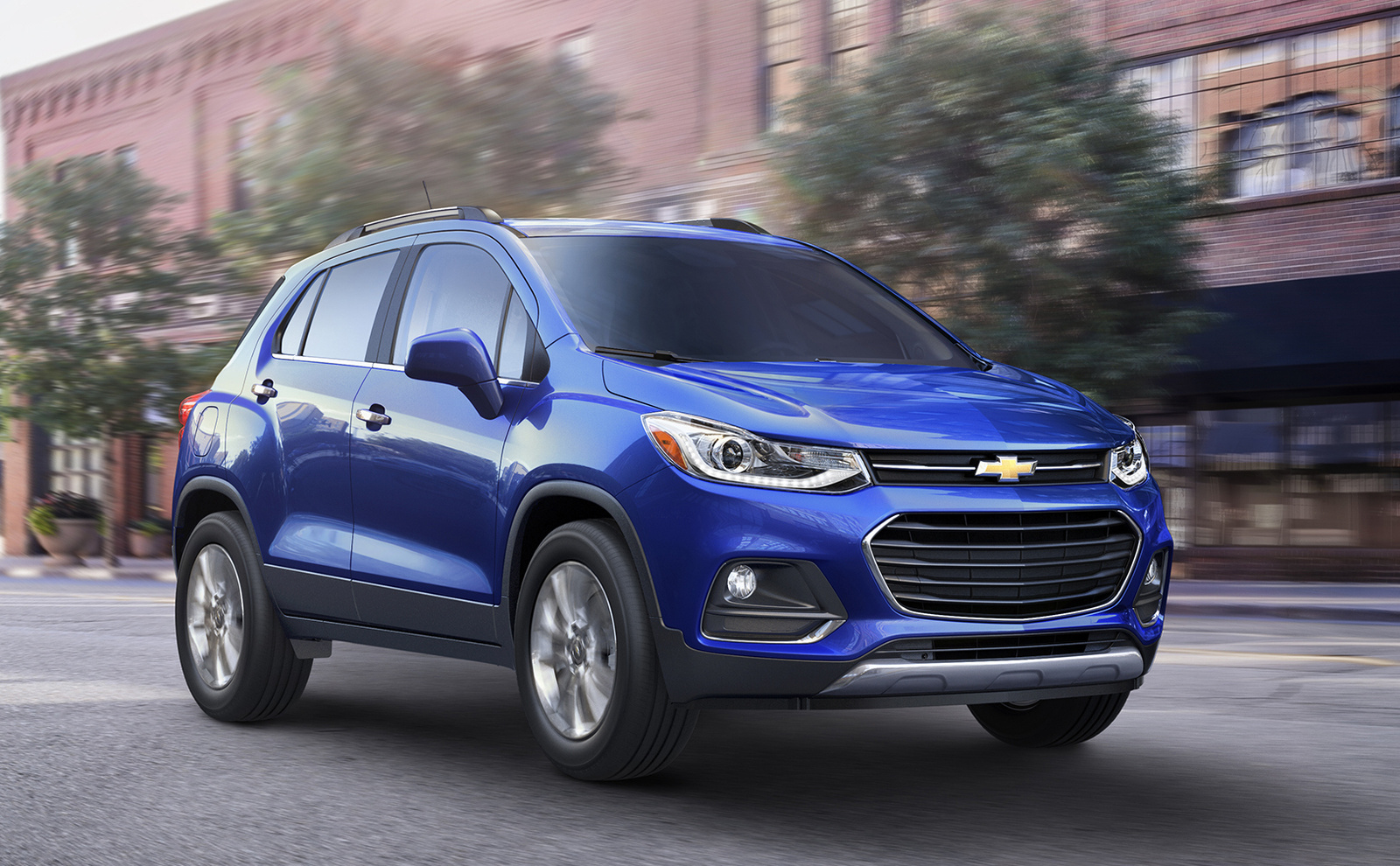
Pathological test drives a small Chevy Crossover


Image result for chevy trax 2017 no copyright image

The Chevy Trax has a lot to prove with heavy hitters like the Honda CR-V and Subaru XV.

The sole engine option is a 1.5-liter turbocharged four-cylinder pumping out 138hp. You’d think that with the turbo that there is a bit more flexibility thanks to the high torque at low revs, but it still feels sluggish. Our guess is that our tester car came equipped with all-wheel-drive and that may have hampered acceleration slightly, we haven’t had the opportunity to test drive a front-wheel-drive version. The engine isn’t all bad though, running costs are low which does help make it appealing; while driving around town at normal speeds really does show how smooth and relaxed the engine can be when not rushed in the way we drove down the expressway. There’s something about a turbo engine car that we have to flat out flog it at least once to see what it can really do. It’s not a bad engine but just a little short on puff where some will find it a deal breaker and others won’t care at all.

Driving the Trax around town is actually fairly easy. Steering is light and offers decent feedback where it matters most when just darting through traffic or squeezing in and out of tight parking spaces. We just wish that the steering offered more feedback when on faster paced roads because it does feel a little disconnected at times. The ride comfort in our tester car was a little more on the firm side which is partially due to the 18-inch alloys that it came equipped with and well that didn’t translate well in road noise either because it did feel a little bit noisier than we’d like. Driving on the highway is also comfortable at relaxed speeds, we do feel that the tall and narrow body gets blown about a bit more than some of its rivals but it’s not a deal breaker in our books.

The infotainment screen is fairly easy to navigate, even though we do find that many of the menus can be distracting while on the go. The front seats offer plenty of adjustment and support while those in the rear may feel a little short changed on the space, it’s not bad but it’s not particularly roomy as well. The boot space is a little disappointing; some rivals of similar size have way more space to spare. Visibility is good all round.

Standard LS trim comes with rearview parking camera, remote keyless entry, auto headlights and Bluetooth audio streaming for your mobile device. LT trim adds 16-inch alloy wheels, LED tail lamps, integrated roof rails and remote start. Top of the range Premier trim (our tester car) came equipped with leatherette seating, 18-inch alloy wheels, Bose premium audio system and keyless entry and push button start.

The Chevy Trax is an okay option among the crowded compact crossover options. It’s not as versatile as the Honda HR-V and it certainly isn’t as fun to drive as a Nissan Juke. We do wish that Chevy used the turbo engine from the Cruze and we also wish that Chevy could’ve put alloy wheels on the standard LS trim because steel capped wheels on a car $20k or higher is just unacceptable in our books.

Likes: Low running costs. Exterior and interior looks have been improved. It’s quite easy to navigate around town and headroom is actually quite good.

Dislikes: The turbo engine is not as flexible as we’d like. The interior feels narrow and the boot space is disappointingly small.

Our pick: We’d go right for LT trim which adds alloy wheels, remote start and LED tail lamps. It may not have the fancy gadgets of the Premier trim but it’s cheaper and makes the most sense.

It's still classy but some rivals are even classier. (used)


You'll be surprised that not everyone will find the BMW 5-series entertaining and the Mercedes E-class a bit too boring for their taste. What else could one consider? Well the Audi A6 certainly has the looks and the charm, but is that enough of a reason to buy one?

The standard 2-liter turbo four-cylinder offers decent flexibility around town and on the highway. It never feels short on pull thanks to loads of torque at low revs. You can option for a 3-liter supercharged six-cylinder that has all-wheel-drive fitted standard. Pick of the range goes to the 2-liter turbo with all-wheel-drive. Audi is known for it's Quattro all-wheel-drive system so it only makes sense to option for one with it, and of course that 2-liter turbo does such a good job that the 3-liter supercharged six-cylinder seems a tad bit pointless in our books. However, if you are willing to pay the premium for it then by all means go ahead because it is such a lovely engine.

The A6 doesn't feel as sharp to drive as the 5-series. It does handle quite nicely but you're constantly reminded that this is a front-wheel-drive chassis unlike the 5-series and E-class. You won't be tossed about as much on rough surfaces as the A6 ride comfort is smooth, the only other car that has the A6 beat on that aspect is the S90. You won't have too much to complain about with wind and road noise, as both are well hushed thanks to a well insulated cabin.

The interior feels classy and well sorted. The only car that may have the Audi sleepless at night is the Volvo S90 which has a far classier approach to its overall interior layout. The infotainment screen swings out of the dashboard and all the controls and dials fall right into your hand. The quality of them are top notch. You shouldn't expect anything less from Audi, especially at this price point. The front seats are comfortable and offer plenty of support, while those in the back may feel a bit shortchanged on foot room due to the large transmission tunnel. The boot space is decent but nothing really compares to a traditional wagon when it comes to versatility.

Premium Trim gets a navigation system, rearview parking camera, Apple CarPlay and Android Auto as well as a 7-inch driver information system. You'll have to step up to the Premium Plus trim to get Full LED headlights, power tilt and telescopic adjustable steering column and four-zone automatic climate control. Top of the range Prestige gets the 3-liter supercharged six-cylinder engine, head-up display, power trunk open & close, and surround view parking camera. Our tester car was the middle of the range Premium Plus trim which had an amazing Bose surround sound system and also large 20-inch alloy wheels. The overall package did seem a tad bit expensive considering there are so many options that are more compelling to look at and to drive.

You'll love the A6 as it is comfortable to drive and easy to live with. The styling is a bit on the boring side and the interior is lavishly designed with top notch build quality. It's hard trying to find fault in the A6 but it certainly is hard to find anything to like about it, especially when you look at rivals from Volvo and Jaguar. The A6 is a good car but we just expected a little more from it considering how far ahead some of its keen rivals have leaped. It's still a great choice but for how much longer?

Likes: Both engines are silky smooth, and the all-wheel-drive helps the A6 live up to the reputation Audi is known for. The interior is top notch and elegant. We love those LED headlights.

Dislikes: You're constantly reminded that it's front-wheel-drive bias. The exterior styling is a tad bit too dull when you look at the Jaguar XF and Volvo S90.

BMW 340i vs Jaguar XE 35t


Image result for bmw 3-series vs jaguar xe no copyright photo


BMW 340i vs Jaguar XE 35t AWD

This will be our first ever head to head comparison test. The BMW 3-series holds the benchmark for what a luxury sports sedan should be. It’s been the crème de la crème of the segment. However, the Jaguar XE is here and well it’s ready to shake things up. Let’s see how well these two go head to head and who the winner will be in the end.

Performance: The 340i uses a familiar 3-liter turbocharged six-cylinder pumping out 320hp, which is an increase of 20hp over the previous model year. We love this six-cylinder engine as it is smooth and offers amazing performance. It may seem like the tamer version of an M3, but if you desire all-wheel-drive and don’t want to pay the premium of the M3 this maybe your best bet. We had the opportunity to test drive both the manual gearbox and auto gearbox choices. The auto maybe faster but we would certainly stick with the manual as it is the more fun to drive configuration to have.

The Jaguar XE 35t AWD trim comes with a similar 3-liter six-cylinder but Jag went with a supercharger instead to pull an additional 20hp more than the 340i. The XE is quite literally fast and it doesn’t feel like its short on puff. We love how distinct the engine sounds compared to most turbocharged rivals and the flexibility is nothing to complain of. You’ll enjoy this engine the most because it’s distinct in character and really does match the XE.

Winner: We have to go with the XE on this one. The XE carried the slight edge over the 3-series that we couldn’t ignore. We love the 3-series with that engine but the XE won this by the closest margin we’ve ever seen.

Ride & Handling: The 340i came equipped with the adaptive M suspension which helps the 340i drive and handle like a dream. Steering input is precise and communicative and the suspension soaks up bumps well in comfort mode, while tearing up corners and bends in sport mode. You could quite literally take this to the track then drive it home. Everyone else who won’t drive this on the track will enjoy how easy it is to live with. It doesn’t beat you up on the daily commute and it is such a handsome car to look at.

The XE is also a track king as well. We love how well it handles and steering is actually better than the 3-series. We tried hard to find fault in the XE but came out enjoying ourselves. The XE did come fitted with air suspension which in comfort mode you’ll enjoy the most. We however kept it in sport mode because it felt like it livened things up a bit more. It’s quick in the corners and you feel confident pushing it harder into bends than you’d normally would do. The styling is more discrete compared to the 3-series but it has a level of charm that the 3-series doesn’t have.

Winner: We’d have to go with the XE here again. The 3-series may have the slight edge when it comes to daily comfort, but the XE is a doodle to drive. It really does make the daily grind a joyous experience.

Refinement: (Tie) Both are very refined when it comes to road and wind noise. The engines on both are smooth and the transmission pairing between the two of them are perfection. The 3-series has a slight edge when it comes to the stop/start technology; it seems slightly smoother than that of the Jag.

Behind the wheel: The 3-series has the better interior layout compared to the Jag. The minimalistic approach to the interior has a very classy feel to it while keeping everything within reach of the driver’s hand. The iDrive interface is much easier to use as well.

The XE has the British simplicity that we love but the quality of that infotainment system is what brings Jag down in this. The tester car we had for this review the infotainment system still felt fiddly to use and the several menus made it a tad bit more distracting. We had several issues with it in a previous review and so far things haven’t really changed much going into this one.

Winner: The 3-series hands down won this with flying colors. We hope that Jag does improve this because it would push the XE ahead of the 3-series.

Space & practicality: The 3-series again has the slight edge over the XE. The front seats offer plenty of support, while visibility is good all round. You may feel a bit shortchanged sitting in the rear seat but it is far from a deal breaker. The boot space is generous too.

The XE’s cabin feels narrow and cramped. The front seats offer the best in comfort while those in the back may not want to be back there for too long. While it does offer some space for two passengers, the slopping roofline means headroom isn’t generous and legroom is also in the same boat. The boot space isn’t as generous as in the 3-series either.

Winner: We’d have to go with the 3-series on this one as well. It doesn’t feel as cramped as the XE.

Equipment: Despite the XE being the most expensive between the two. You do get rewarded with plenty of kit standard. Navigation system, perforated leather seats, front and rear parking aids, blind spot monitoring system and adaptive xenon headlamps. The 340i trim we had, several of the features that are standard on the XE and were optional on the 3-series. We just don’t understand why parking sensors are optional on this BMW as it is the most expensive of the 3-series range.

Winner: The XE may be slightly more expensive than the 3-series but at least you are rewarded with more standard kit. The 3-series did mirror the XE in optional extras but parking sensors are optional and the rearview parking camera is an option as well. I know several indirect rivals that have a rearview parking camera standard and aren’t even nearly as expensive.

Quality & reliability: The 3-series holds yet another advantage over the XE. We’ve had several issues with the XE over the infotainment system and not to mention Jag doesn’t have the greatest track record when it comes to reliability. BMW is also in the same boat as well, but at least the BMW feels more substantial in areas that matter the most. The interior quality is far better and the overall impression of the 3-series gives it the win here.

Overall: Whether you choose the XE 35t AWD or 340i. You’ll be greeted with two fantastic vehicles to drive and own. The XE pretty much destroys the 3-series when it comes to performance, driving dynamics and overall value for money. Sadly however we’d have to go with the 3-series on this one. BMW maybe a bit stingy when it comes to standard kit, but the 3-series has the slight edge when it comes to practicality and overall user friendly interior. We were swayed by the XE as it is the best when it comes to overall driving satisfaction but the infotainment system is a nightmare, the cabin is too narrow for our tastes and reliability is still iffy. You’d buy the 3-series as the logical choice and the XE because it leaves you feeling satisfied. This is why we stated this several times, the XE is the only car that can give the 3-series a real run for its money. It truly is a gem.

Current voting status: We asked voters which one is better.

BMW 3-series: 63%
Jaguar XE: 38% 

Summary:

BMW 340i
Likes: The driving dynamics are what you’d expect from a 3-series. It has the slight edge in practicality and refinement.

Dislikes: You’ll pay an arm and a leg for options that should be standard.

Jaguar XE 35t AWD
Likes: Dynamically and performance wise the XE is by far the best choice. This really does give the 3-series a run for its money.

Dislike: The infotainment system is a disaster and reliability record is iffy.

Engines:

BMW 340i
3-liter turbocharged six-cylinder, 320hp ($59,140*)

Jaguar XE 35t AWD
3-liter supercharged six-cylinder, 340hp ($61,290*)

Devon is impressed with the Volvo XC90 (Used)


WMC P JAIA17 Volvo XC90 1.jpg

The previous generation XC90 was our favorite luxury 4x4. It wasn’t as sharp to drive as a BMW X5 and the interior wasn’t classy like an Audi Q7 but it had a charm that was hard to ignore. Now the newer XC90 really does have a lot to live up to; not only in terms of helping Volvo stay afloat but also stamping it’s mark in the ever crowded ever serious luxury 4x4 segment. Tough gig!

Volvo does start off on the right notes with the new XC90 because both the exterior and interior looks are absolutely stunning; both help the XC90 leap light years ahead of the previous generation. Dare we say the XC90 is the most handsome 4x4 in this segment? But how does this all translate onto the road?

The sole engine choice for now is a 2-liter turbocharged and supercharged four-cylinder pumping out a hearty 315hp with standard all-wheel-drive. You might think that a tiny four-cylinder isn’t up to the job in the XC90 but you’ll be pleasantly surprised at how flexible the engine really is. We haven’t tested the XC90 fully laden but we are pretty sure that it won’t struggle thanks to a maximum tow rating of 5,000lbs.

Our tester car came equipped with air suspension and 20-inch alloys and the ride quality is actually good. Large bumps won’t even send shutters into the cabin. Handling is okay it won’t defy logic like a BMW X5 or Porsche Cayenne but it holds its own well. Steering is smooth and offers excellent feedback. Refinement is good in the XC90, when at relaxed speeds you can barely hear a peep out of the engine and road noise is virtually unheard of. There is a bit of wind noise around the side mirrors but it’s far from intrusive or annoying.

Volvo has the best seats in the auto industry hands down. These seats provide enough comfort for drivers of all sizes. The infotainment system is actually quite easy to use and of course you get a full nine-inch display which adds a bit of class to the overall look and feel. All the controls are within easy reach and your view forwards and backwards is good. Boot space is okay with the third row seat in place. Fold the third row seat down and you’ve got even more space, fold down both rows and you have so much space that you would need a transit van if you find the space lacking.
The third row seat is actually quite roomy for adults, even though most will only tolerate it for short journeys. The second row space is generous too, in fact this is one of the few seven-seat 4x4s we’ve ever driven where the balance between utility and people carrier is so good that we have to give it a standing ovation.

T6-AWD gets navigation system, rain sensing windshield wipers and lane departure warning. T6 R-design adds integrated body-kit with 20-inch alloys and full-LED headlights. T6 AWD Inscription adds Nappa leather seating, ventilated seating surfaces and keyless entry with hands-free tailgate opening system. The amount of kit you get standard for the money is actually much more generous then what you would typically get standard on a BMW X5 and Mercedes ML.

We challenge you to find a BMW X5 or Porsche Cayenne with the same equipment for similar money and what you’ll find is all the reasons why the XC90 is the better buy. It may not have the resale value of both brands yet but this XC90 looks promising and we do predict that the value will hold very well. Running costs are similar to that of the BMW and Porsche and even though Volvo doesn’t offer a diesel engine it will eventually offer a plug-in hybrid option which is predicted to be one of the greenest seven-seat 4x4s on sale until the Tesla Model-X arrives of course.

Interior quality is superb and many of the plastics feel classy and upmarket; a far departure from the previous generation. Volvo has scored above-average in reliability and we do see this being a new trend for years to come. If Volvo had a middle name it would be safety and everything that you could ever possibly want in terms of safety kit Volvo has it. The most notable of these systems is the city braking which works at speeds up to 30mph, by slowing you down and bring you to a complete stop if the driver so happens to take his or her eyes off the road.

When you think of luxury 4x4s most will venture to the BMW X5 and Porsche Cayenne because well both are good in their own right. However, the XC90 is better than both in its own way. It may not be as sharp to drive or defy logic, but it is a comfortable cruiser with an outstanding interior and can really fit seven people aboard. Plus it is one of the most handsome looking 4x4s we have ever seen in a while. Volvo really did tick all the right buttons and play all the right notes with the new XC90. Hopefully the new looks and well equipped trim-levels will lure buyers in because passing one up without giving it a real gander is a real shame because this 4x4 is a gem.

Devon’s pick: T6 AWD R-design is where our money would go. It feels like you get a lot of car for your money and still somehow you undercut the X5 and you’re still way below what you would have to pay if you picked the Cayenne. It’s classy and stylish plus we just love those LED headlights.

Like: The XC90 is the most handsome 4x4 in the segment and that style carries inside too. Infotainment system is easy to use and those seats are the best. It can really fit seven people aboard and somehow manages to undercut the heavy hitters in kit and price.

Dislikes: The auto gearbox is a little sluggish to react.

We question everything about the GLE Coupe

The Mercedes GLE Coupe is proof that money doesn’t buy taste. You can choose between two engines. Entry-level gets a 3-liter turbocharged six-cylinder producing 429hp. While the top of the range AMG GLE 63 S Coupe gets a 4-liter twin-turbocharged eight-cylinder producing 603hp. Both engines are paired with a 48-volt mild-hybrid system. The GLE is very expensive to begin with, so picking between the two engines depends upon how much money you are willing to spend on one. We reckon that most will be satisfied with the AMG GLE 53, which utilizes the turbocharged six-cylinder engine. However, if you desire that extra kick in your pants acceleration and don’t mind paying the premium. The AMGGLE 63 S is certainly worth the consideration. Driving the GLE around town provided a mixed bag of emotions. We were certainly happy that the air suspension was fitted standard. Which allowed us to slip it into comfort mode around town and when we felt like driving in a non-SUV tradition. We slipped the setting into sport mode and really pushed the GLE hard through corners and switchbacks. You’ll certainly enjoy the GLE if driving dynamics is what you are after. It might not be as sharp as the X6, however it’s not a complete dullard. When you aren’t driving like a hooligan, this Mercedes is certainly a comfortable companion for long distance cruising. You won’t notice much wind or road noise. However, what will be noticed is the smallish rear windscreen and how the corners are curved, which makes it tricky to park in tight parking spaces. However, the 360-view camera (which was fitted to our tester car) can take some of the sting out of that. Don’t buy a GLE Coupe thinking that it’s a practical SUV. It’s far from it to be honest. The boot space is hugely compromised compared to the non-coupe form of the GLE. It’s also not as practical in the rear seat. It’s more of a two-seater if anything. Space in the front seats are ample. There’s plenty of adjustments for both driver and front passenger to get comfortable. The interior is what you’d expect of a Mercedes. Plenty of high-quality materials used and the infotainment screen is easy to navigate through. The GLE Coupe in both trims are similar in standard-kit. Keyless-Go is fitted standard along with dual-zone climate control and 12.3-inch touchscreen multimedia display. Apple CarPlay and Android Auto is fitted as standard along with power-folding exterior mirrors and handsfree boot release. The GLE Coupe is certainly a distinct looking SUV. Its hunchback design means that practicality isn’t its strong suite. However, what the GLE does shine in is performance and road presence, and for anyone that’s looking for an SUV to be seen in. The GLE Coupe certainly is the one to go for. Likes: Both engines are extremely flexible. The interior is well-executed with many high-quality materials used. It has road presence that not many SUVS have. Dislikes: It’s not a ‘coupe’. It can get quite expensive with options. It’s not a car for introverts. The GLE Coupe isn’t a sensible choice. It’s more for about the driving dynamics and road presence. Which is why we say the AMG GLE 53 is the appropriate way to go. It’s flexible enough and expensive enough without being completely ridiculous like the AMG GLE 63 S.

We loathe the Mitsubishi i-MiEV

Image result for 2017 mitsubishi i-miev no copyright image


Electric cars are the future of green car technology. The whole concept of electric cars may not be new, but they are certainly packing new ways to extend range and make them more practical for everyday driving. With the Mitsubishi i-MiEV, Mitsuhishi is trying to reach out to the buyers who are more budget minded. With the low starting price of the i-MiEV can Mitsubishi justify a reason to buy electric?

Performance: The i-MiEV's electric motor produces 66hp with 145lb-ft of pull, which means its really smooth around town. If you find yourself in stop and go traffic, or feel that you want to boost your range. There's an eco-button which reduces the power of the electric motor and helps extend the range of the battery. The i-MiEV has a top speed of 81mph, so highway driving isn't a 'no-go' for this car.

Ride & Handling: The i-MiEV is best left for urban use, where you can benefit from its tiny dimensions and tight turning circle. However, the steering can be quite heavy at parking speeds and the ride is never settled. Leave the city streets and the car is easily upset by crosswinds. The narrow front tires provide very limited grip and makes highway driving a pain.

Refinement: i-MiEV has a boat load of wind and road noise which makes you wonder if electric cars are as quiet as they say they are. You can hear small amounts of whirr from the electric motor at town speeds, on the highway the whirr turns into an irritating whine.

Behind the wheel: Getting comfortable behind the driver's seat is a rather mixed note. The driver's seat adjusts for height, but the steering wheel is fixed which means it will be difficult for some to get comfortable. The instrumental panel controls are rather fiddly and you'll have to stretch to reach them.

Space & Practicality: The i-MiEV is a strict four-seat vehicle, but it depends on who the four are. Headroom isn't a problem, legroom is the bigger problem if you want to squeeze two adults in the rear seat. Their knees will be in the backs of the front passengers due to the thinly padded seats. With four passengers aboard, the boot is very small.

Equipment: The base trim adds 120V portable charging cable, CD-playe with MP3 compatibility, air-con and regenerative braking system. Top of the range adds alloy-wheels, leather wrapped steering wheel, power windows and an upgraded sound system.

Buying & Owning: The benefits of having an electric car is not having to pay for fuel. Instead you'll be paying very little on your electric bill. The only trade-off is that your range is very limited and the actual use of the i-MiEV is limited unlike the Nissan Leaf.
Buying a i-MiEV isn't a cheap proposition either. A $7,500 tax credit does help take the sting out of the purchase price.

Quality & Reliability: The build quality seems solid enough, some of the materials in the interior feel rather cheap but have a sturdy feel. Mitsubishi has enjoyed average reliability, with the i-MiEV however it is still unknown.

Safety & Security: The i-MiEV comes with front and side airbags with a roof mounted airbag to protect drivers in the event of a rollover. Stability control and traction control are standared to help aid traction due to the narrow front tires. There is a vehicle security system and immobilizer system to help keep theft at bay.

The i-MiEV is fun to drive around town. There's enough space for four passengers and running costs are very low. However, the downsides outweigh the positives. The ride comfort and handling outside of city limits is poor. The front tires are narrow and the range of the battery limits the practicality of the vehicle. Even with the tax credit, the i-MiEV is expensive and way too impractical for what it is. A more conventional hybrid offers better range while a smiliar sized gasoline counterpart offers a lower purchasing price. If a electric car is what you want and you won't have any need to venture outside of the city or drive further than the battery range. The i-MiEV is worth a look.

Devon's Pick: The ES makes the most sense because it's the cheapest. We'd wait for the technology to get cheaper or more sophisticated.

Likes: Most affordable electric car compared to others. Compact size and abundance of torque means its a breeze to drive around town. There's enough room for four and running costs of course are low.

Dislikes: Expensive to buy. Some of the cabin materials feel cheap. Steering wheel offers no adjustments, ride and handling is awful. The 'can't-go' far battery range limits practicality, and it takes forever to recharge.

Devon M

Devon Escapes with a Ford (Used)

The Ford Escape has been one of the best selling compact utility vehicles (CUV) you can buy in the U.S. With competition catching on to it's original formula the Escape lost ground to much better rivals. Now the Escape has been redesigned and given a much more attractive look. Will this be enough to win back those buyers? Or is it all style no substance? 

Performance: There are three engines to choose from. Base trim gets a 2.5-liter four-cylinder producing 168hp. Mid-range is a turbocharged 1.6-liter four-cylinder producing 178hp. While the top of the range trim gets a 2-liter turbocharged four-cylinder producing 240hp. Pick of the range is the mid-range 1.6, which makes the most sense. It's  flexible and offers similar fuel economy as the 2.5, but the extra torque really does make a difference. Both 1.6 and 2-liter engines offer all-wheel-drive optional while the 2.5 is strictly front wheel drive only.

On the road: The Escape soaks up bumps quite well and has a smooth highway ride. Around town things can get a bit unsettled on some rough surfaces. The steering is nicely weighted and very responsive. Handling isn't as sharp as the CX-5, but the Escape manages to hold it's ground quite well.

Refinement: The engines feel very refined at low speeds and idle, even at cruising speeds on the highway. When you push the engines hard, it's presence will be known. This isn't a bad thing however, the lovely whirl from the turbo engines add a bit of sporty character. Some wind noise can be heard from the sides of the car at highway speeds, this isn't a deal breaker. The radio can drain this out. Road noise is well supressed.

Behind the wheel: The Escape offers supportive front seats. Visibility alround is excellent too. The dashboard layout is not very user friendly. It may take time to get used to the switchgear and vehicles equipped with MyFord have the fussy navigation system that takes a bit of getting use to.

Space & Practicality: There's plenty of room for both front and rear passengers to get comfortable. The optional sunroof doesn't eat into headroom either. With the seats up the boot space isn't the largets compared to rivals, but this isn't a deal breaker as there is 60/40 split folding seats to add extra cargo if needed.

Equipment: The Escape comes well equipped. All versions get air-con, CD-player and electric windows. You'll have to step up to the mid-range to get all-wheel-drive option. While top of the range trim adds larger alloy wheels. MyFord Sync system and LED daytime running lamps.

Buying & Owning: The Escape is cheaper than the Volkswagen Tiguan but slightly more expensive than the Mazda CX-5. The front-wheel-drive models are the cheapest to buy. We suggest sticking with those unless you really need the all-wheel-drive. You're better off paying the extra and get the titanium trim which offers it as standard. Running cost should be reasonable and resale value should hold up as the Escape has been very popular.

Quality & reliability: Reliability for the Escape has been a mere average. There have been a few recalls from Ford that should be looked into if you are considering buying the Escape. The fit and finish of the interior look and feel long lasting, the mechanicals are a bit iffy. The base trim materials feel a bit drab in areas and isn't as appealing as the more pricier irrations.

Safety: Electronic stability control and anti-lock brakes are standard across the range. All-wheel-drive is optional if you need the extra traction. Front and side curtain airbags are standard across the range as well. Deadlocks and a theft alarm keep theft at bay.

The Ford Escape has come a long way since it's previous generation. This Escape is more fun to drive, much more stylish and offers a much more compelling reason to consider one. However, the Escape isn't as fun to drive as a Mazda CX-5 and some trim levels just feel down right overpriced compared to keen rivals. If you can overlook these few negatives the Escape is a step forward for Ford and is worth a serious look.

Devon's Pick: Ford Escape SE 1.6 EcoBoost. You'll be surprised at how much this small engine has to offer in terms of fuel economy and performance. You won't really need the all-wheel-drive option unless you need the extra traction. With the all-wheel-drive the 2-liter EcoBoost is the better engine choice which isn't too much in terms of price from the 1.6 EcoBoost with all-wheel-drive. 

Likes: Stylish exterior looks with room for five. 1.6 ecoboost engine offers a lot more than figures suggest.

Dislikes: Base trim interior feels drab. Not as engaging to drive as looks suggest. All-wheel-drive adds a hefty premium that's hard to justify. Dashboard design not very user friendly.

Devon M

$6600 for 39hp more? (used)


The Mini JCW is all about extra performance and having the extra notch in your wallet to buy one.

The sole 2-liter turbo engine pumps out 228hp and while it does a good job in larger vehicles such as the BMW X1, we love it even more here because the Hardtop 3-door doesn’t really weigh much so it’s even more of a doddle to drive. You can choose between a proper six-speed manual gearbox and six-speed automatic. We haven’t had the opportunity to test drive this with the proper manual gearbox, but the auto gearbox does a good enough job for those who can’t drive three pedals.

Driving the JCW around isn’t like any other car on the road. The steering weighs up nicely but the ride is overly firm and there’s just way too much wind and road noise for our liking. However, you’ll enjoy how fun to drive the JCW feels, especially when you push through tight corners and bends where the JCW shines. The driving position is spot on good, with excellent visibility all round. The JCW is tiny to begin with and if you have a hard time parking this or driving it around, your only other options are a Smart Fortwo or nothing at all.

The front seat is where you’ll want to be because the rear seat is cramped. You can fit two people in the back but everyone has to be on board about sharing out the space. The boot space is okay, we’re not going to knock it too much considering how small it is, but for those who will use it for weekly shopping there is enough space for that, and if more space is needed you can fold down the rear seat. The dash board is where we’ve always loathe Minis. They are all style and very little in functionality. The newer Minis have easier to use infotainment screens and the dash board isn’t a complete mess like it was in prior generations. It does feel as if Mini has instead changed the switch gear for eye appeal instead of ease of use, the toggle push button ignition is pretty charming to say the least.

Mini tends to be stingy when it comes to standard kit, and our tester car shows it. HID headlights are standard, as well as 17-inch alloy wheels, automatic climate control and 6.5-inch infotainment screen. Navigation system is optional, along with power-folding and auto-dimming exterior mirrors, alarm system, Mini Head-Up display and comfort access. What was once considered a bargain hot hatch turned into a very expensive proposition with nearly $10k worth of options added on, but the tradeoff is residuals are very high and there resale value is strong too because Minis are desirable vehicles.

You’ll have to really want a Mini JCW to pay the premium for one. We certainly had mixed feelings when it came to having one. It’s oddball styling and fun to drive nature will win over many fans, but for everyone else it may seem a tad to impractical. Plus, your options in this segment are limited too. You could get a five-door hatchback and call it a day but you’ll be missing out on the point of this vehicle. It’s the closest thing to a BMW one can buy without having to pay the premium for one, and with all the bells and whistles the JCW is still cheaper than a 2-series BMW. What we are trying to say here is this, you’d buy this with your heart instead of your brain, and your wallet may take a hit with the purchase but your investments are well protected.

Likes: The JCW is more fun to drive than you’d think. It’s easy to live with thanks to sharp steering and responsive handling.

Dislikes: Mini is stingy on standard kit. There’s just way too much wind and road noise for our liking. If you need a rearview parking camera to park this, you don’t need to be driving.