What's On

Showing posts with label hatchback. Show all posts

Friday, January 6, 2023

History of Saab


In 1938, the Saab factory was built in Trollhattan Sweden. At this time, they were not an automobile manufacturer. With World War II on the horizon, the Royal Swedish Air Force was in need of aircraft. On September 1, 1939 war broke out and Saab built bombers and fighters.

The Saab factory was prepared for the task with two previous years of modernizing their production methods. These airplanes were mainly copies of German and American design. Saabs first in-house designed aircraft rolled off the line in 1941, the Saab 17. It was far from perfect, but the bugs were worked out quickly. A Bomber, Saab 18 was also produced.

In 1944, seeing the close of World War II Saab began work on non-military aircraft. The Saab 90 and the Saab 91 were introduced, the 90 was a passenger plane seating 25-30, and the 91 was a small plane for private use. The rest of our timeline will outline only Saab's automotive history. However, Saab to this date still makes the highest quality civilian and military aircraft not to mention trucks, buses, spacecraft and the famous jet fighter Viggen and the latest innovation Gripen.

1955saab92b.jpg

The Swedish Ur best translates as original and Ursaab was the Saab's first prototype automobile.

Project 92, so-called as numbers 90 and 91 had already been assigned to civilian aircraft, was agreed in 1945. Saab had decided that, with the Second World War ending, there would be a need to diversify away from military aircraft. Ideas included motorcycles, cars, commercial vehicles and even fitted kitchens! Other Swedish companies, however, had the motorcycle market sewn up, Volvo already produced cars, and trucks were manufactured by Scania-Vabis. A Saab had to be the right size, type, construction and price - a small, affordable car. Thus, Saab had found its niche.

A 1:10 scale model Ursaab was tested in a wind tunnel by the Swedish Royal Institute of Technology and gave a drag coefficient of 0.32, an impressive figure even by today's standards. Sister cars 92.002 and 92.003 were driven on every possible type of road surface and with 92.001; they have clocked up over 530,000km (approx 331,000 miles) - equivalent to 13 journeys around the world and typical of Saab's commitment to thorough testing.

Full-scale production of the Saab 92 commenced in December 1949, 700 of which were made. The engine was a 750cc two-cylinder two-stroke, transversely mounted ahead of the front axle. Saab engineers also created a safety cage for the passengers, to protect them in case of accident, one of the first cars ever designed for safety. 

Production cost was critical to Saab at the time and only 17% of the cost was from imported materials, hence the Henry Ford principle of any color you like as long as it's… green in Saab's case!

Saab entered two cars in the 1950 Monte Carlo rally. Both finished the rigorous event. Saab  continued active in rallying until 1980, when some factories began to spend so much on the sport that little Saab could no longer be competitive. 

The Saab 93 was announced in August 1955 in response to press speculation regarding the development of a three-cylinder two-stroke engine. The Saab 93 was the first modelto be officially exported, primarily to the United States. 
Image result for 1955 saab no copyright image

At the New York Automobile Show of April 1958, Saab exhibited a car that they called the Gran Turismo 750, a sporty and luxurious model that was pitched specifically at the growing US market.

The GT750 had twin carburetors and the engine had been tuned to develop 50hp. It was the first model to have factory fitted seat belts.

Image result for saab sonnet no copyright image
The Saab Sonett was unofficially known as the Saab 94, even though this number had already been assigned to an aircraft project. Only six Sonett were built, the cars being intended as either experimental or competition cars. The Sonett was much in demand by dealers and was shipped to the United States for the Saab introduction in April 1956.

Saab unveiled the Saab 95 Station Wagon in May 1959. The early 95 had the two-stroke engine, but later models carried the Ford V4 engine (the V4 was an instant success). It was equipped with a four-speed gearbox. The last Saab 95 was manufactured in 1978.The Ford 1.5 Liter V4 engine delivered 65hp at 4,700rpm and saw 100 Km/h from rest in just 16 seconds. 

The new Saab 96 was revealed at a Stockholm press conference in February 1960. This model lived on until 1980 equipped with the V4 engine. The Saab 96 was for Swedes what the VW beetle was for Germans.

Diagonally divided brake system with double brake circuits was introduced on all Saabs of 1964 models.

Formula Junior was an international class for single-seat racers with engines from standard road cars. In 1960, some enthusiasts at Saab's combined testing and competition department decided to have a go at Formula Junior, even though the engine was well below the permitted displacement of 1100cc.Taking an approach that was different to the conventional was not unusual for Saab and this case was no different. The engineers at Saab constructed an advanced monocoque car in contrast to the space frame designs of their competitors. 

The Saab 97 project based upon the MFI 13 made good progress. By the winter of 1966, it was on display earlier than expected, and in Stockholm, rather than New York as had been anticipated.
Sonett3.jpg
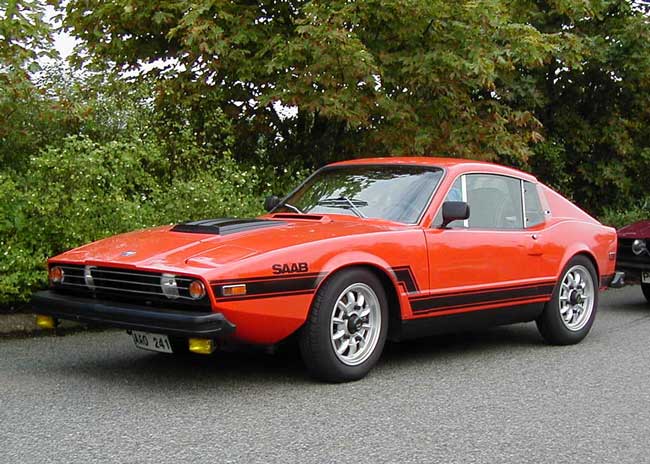
The Saab Sonett II suffered increasing criticism of its awkward lines by both customers and within Saab itself. After just two years of production, Saab contracted the Italian stylist Sergio Coggiola to redesign the Sonett II. Coggiola had a tough task, forbidden by Saab to redesign the complicated central section.

Saab board passed a resolution in April 1964, to develop a new and larger Saab. The Saab 99 was on its way. Despite widespread enthusiasm within Saab for the two-stroke engine, it was decided that a four-stroke unit was the only real choice. Without the means to embark on its own costly development, a contract was signed for Triumph to deliver a 1.5-liter (later 1.7 liter), engine to Saab. The joint engine design was to be inclined at 45° since Triumph was planning a V8 from the same basic engine design. The Saab engine was essentially half of a V8. 

1970 A milestone is passed in February when Saab turns out Car No. 500,000

The Sonett III, the product of the Swedish-Italian cooperation, was unveiled in spring 1970.

Two unique Saab innovations are presented on the 1972 models: an electrically heated driving seat and self-repairing (up to 8 Km/h, 5 mph) bumpers.

The Saab 98 project began just two years after the production of the Saab 99 started. A new concept termed by Saab as Combi Coupé. Saab 98 never went into production, but the Combi Coupe did as a 99.

1976 The one-millionth Saab car comes off the line at Trollhättan in January. Catalytic converter and a lambda sensor are introduced on cars for the US. 

The first Saab 99 Turbo goes on sale as a 1978 model.

This particular Turbo had great success in the Swedish Rally with Stig Blomquist behind the wheel.

In 1979 the new 900 is released.

Yet another world "first" is introduced with the 1979 Saab 900: the unique compartment air/pollen filter.

Beginning with the 1983 models, Saab fits all its cars with asbestos-free brake linings.

The Saab 900 was a model that spanned the entire 1980s, being in production for some fifteen years! During its lifetime over 900,000 units were produced, almost 50,000 of which were the successful and stylish 900 convertible.

Despite being an evolution of the 99, the 900 was not merely a facelift. It had been given a new front section and Saab wanted to exploit new market sectors. This was especially true of the United States.

Another product of the small but perfectly formed design department at Trollhättan, the EV-1 was a sport Coupé based on the 900 Turbo 16. The EV-1, or Experimental Vehicle Number One, was never destined for production.

The front and rear sections of the EV-1 were constructed from Aramid reinforced fiberglass and had the ability to resume their original shape after impact.

The toughest safety standards are satisfied with the lightweight carbon fiber side impact protection within the doors. Continuing the lightweight theme, the front seats are half the weight of conventional seats but retain electronic functionality including the ability to adjust the side supports. With the 0-100 Km/h in just 5.9 seconds, the performance of the EV-1 is comparable to some of the best sports cars.

The Saab 9000 of the 1987 model becomes the first front-wheel-drive car to offer ABS brakes.

Styled by Italian Giorgetto Giugiaro, the 9000, a front-wheel drive with a transversely mounted engine meant that the interior was more spacious than the Saab 900 despite a slightly shorter external length. 

The combination of the folding rear seat and the estate/saloon opening rear hatch made for superb load-lugging characteristics. The Saab 9000 was the only imported car, bar the Rolls Royce, to be classified by the United States authorities as a "large car". 

Image result for saab 9000 wagon no copyright image
1986 On 7 October, three Saab 9000 Turbo 16s in guaranteed  standard condition get off the mark on the world's fastest racetrack, the Alabama International Motor Speedway in Talladega, U.S.A. 31 drivers take turns at the controls of the three cars, with stops only for refueling and service. In nearly twenty days of uninterrupted driving they break 2 world records and 21 international speed records. The fastest car covers 100,000 km at an average speed of 213 Km/h, the other 2 average around 210 and 208 Km/h.

1987 The two-millionth Saab is manufactured.

1989 At a press conference on 15 December, GM announces that it is buying 50% of Saab's car operation.

The new Saab 900 made its debut in front of the press and 35,000 residents of Trollhättan, in the town's main square, in July 1993. The new 900 was the first completely new model since GM (General Motors) took a 50% stake in Saab Automobile AB in 1990. 

Saab is the first carmaker to present a Freon-free (CFC-free) air-conditioning system.
In 1994, Saab introduces the first V6 engine in its 900 SE model.

1996 Ten years later Saab returns to Talladega, this time with six Saab 900s, absolut standard cars, powered by different engines: a 2-litre turbo, a 2.5-litre V6 and a 2-litre injection engine. They clock up 40 new international speed records. The fastest car, a 900 Turbo, turns in an average speed of 226 Km/h. 

The Saab 9-3 was launched in 1998 essentially as a re badge Saab 900. There was very little to tell them apart externally, except for a redesigned grill and the relocation of the third brake light from the boot ridge to the top of the rear screen. 
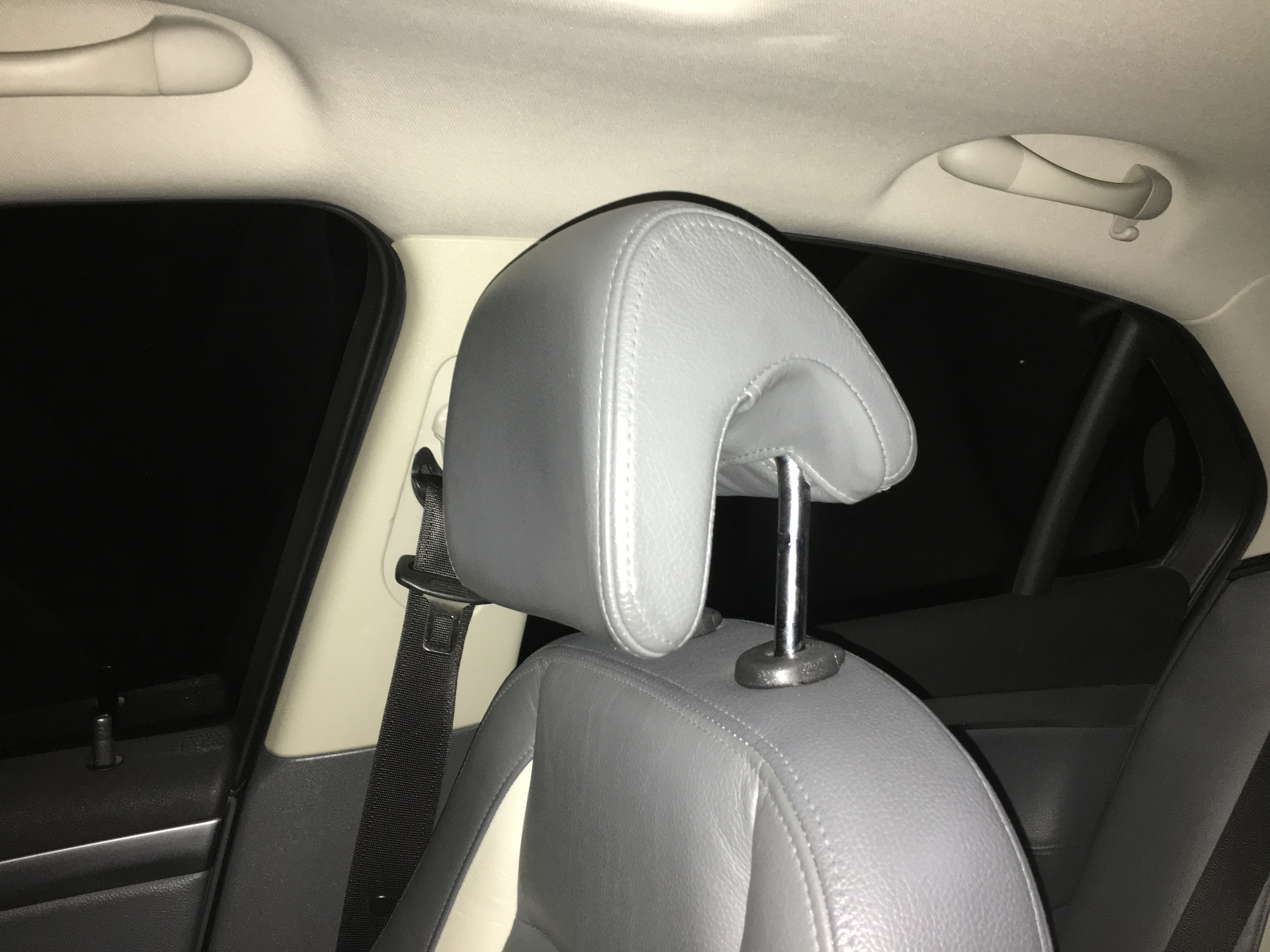
Image result for saab active head restraints no copyright image
Internally, the 9-3 acquired the innovative SAHR or Saab Active Head Restraint system - as introduced as an industry first on the Saab 9-5.

It was under the body that the changes had been made on the 9-3. Over 1,100 changes including suspension, in an attempt to tighten up the handling characteristics of its predecessor, the Saab 900.

1997, The new Saab 9-5 is presented in Trollhättan, and the three-millionth Saab is produced that summer. 

The development of the Saab 9-5 retained existing Saabisms such as its world famous attention to safety, the curved C-pillar and the ergonomics of the vehicle - especially in respect of the driver. Saab set out to exceed the already high safety standards of the Saab 9000 and design the safest car possible.

Data from Saabs own tests and surveys from Folksam (the Swedish insurer), Euro NCAP and American HLDI all show that the Saab 9-5 is indeed the safest car that you can drive to date.

Image result for 2000 saab 9-5 sedan no copyright image
Saab reintroduced for the 9-5, the return of the floor mounted ignition and reverse gear lock that was absent from its predecessor, the Saab 9000.

Yet, another Saab innovation: ventilated front seats. It is the first time a passenger car, the new Saab 9-5, is offered with this feature.

2000, GM buys the reminder of Saab.

In 2003, the completely redesigned 9-3 SS is released in US.

The new Saab convertible is scheduled to be introduced to the US market in the Fall of 2003 (Swedes have to wait until Feb 2004). It's manufactured at the Magna-Steyr plant in Graz, Austria. It have automatic rollover bars that pops up from behind the rear seat, and the whole convertible frame is built out of Magnesium.

What the future holds may be within what  concept car 9-3 and prototype 9X shows, or the rumors of a 9-2 based on Subaru Impreza.

First official photo of the new 9-2X planned for release on the US and Canadien market early 2004. The 9-2X is built by Fuji Heavy Industries, Japan; which GM holds a 20 percent stake in.

Saturday, December 3, 2022

Facts about the VW Golf

The Golf is the 2nd best-selling car model of all time With over 30,000,000 units produced from 1974 to 2013, the VW Golf is the second most sold car model in automotive history. It comes second to the Toyota Corolla which has over 40,000,000 made. It is unlikely that VW will catch up to Toyota, but selling 30,000,000 is already a huge accomplishment. It has even sold more than the popular VW Beetle by over 9,000,000 units. Nobody is sure where the name “Golf” came from There are two likely candidates for how the name of the Golf came about. First is the theme of naming cars after winds or currents. The Passat (trade wind), Jetta (Jet Stream), Bora and Scirocco (Sirocco) are all names of winds. Golf is close to Gulf Stream which is another popular wind current. Another possible relationship for the name is the sport of Golf which would fit the sports theme that includes the VW Polo and VW Derby. There is no official word on how the name came about. The Golf GTI was an after-hours side project The Golf GTI, which is the “hot hatch” version of the Golf, was conceived after hours by a group of engineers who wanted to make a performance version of the car. They worked during evenings and weekends to develop the “Sport Golf”. The concept was shown to management but the reception was lukewarm at the time. The car made it to production for a limited run of 5000 units but the popularity of the hot hatch took off and to date over 1.9 million Golf GTI units have been sold. The Golf Platform is shared by a number of other cars The practice of sharing a platform started a long time ago and the VW Golf is no exception. The Golf uses the VW Group A platform and under the VW brand is has been used by the Beetle (new versions), Jetta, Bora, Scirocco, and Eos. The Group A platform is also used some other notable cars like the Audi TT, Audi A3, Skoda Yeti and SEAT Toledo. All these car brands are under the VW group. Ever heard of a W12 engine? The popular Bugatti Veyron and now the Chiron have the W16 engine which has broken all speed records for production cars. A one-off concept version of the Golf GTI was powered by the baby brother of the Bugatti engine, a W12. Essentially, the W12 engine is two V6 engines bolted together to run as a single power unit. This particular engine was taken from the Bentley Continental GT that was a 6.0-liter twin-turbo capable of producing a massive 641bhp and 531 lb-ft of torque. That’s some power for a tiny hatchback. It could go from naught to 62mph in 3.7 seconds and had a top speed of 202mph. Sadly, it never came into production.

Thursday, September 27, 2018

Pathological goes to Rio with Kia (Used)


Image result for 2017 kia rio 5 no copyright image

The Kia Rio for a while carried the image of being a budget car nothing more. Those who needed a cheap means of getting around considered the Rio because of it's ultra-low base price. Now times have changed however, and the Kia Rio is far from the cheap car that it used to be. It's still affordable and offers much new technology for such a low asking price. Has Kia finally stepped up their game? Or is it a case of all style no substance?

Performance: The Kia Rio only comes with one engine and that's a 1.6-liter four-cylinder producing 138hp. There's plenty of pace for city and highway driving, and fuel economy is really good as well. The engine is paired with either a six-speed manual gearbox or a six speed automatic gearbox. Picking between the two depends on your tastes.

Ride & Handling: The Kia Rio ride often feels firm and never settled over bumps and potholes. If you get the top of the range trim with the low profile tires, the ride comfort will suffer a bit more. Handling is okay, it's not as sporty as a Fiesta but it does offer a secure feeling. The only downside is the steering can often feel numb at times.

Refinement: Wind noise is well suppressed but very little else. Engine noise is often joined by tire noise slapping on the road. The gearshift is a bit notchy too. On long journeys this can make things a bit tiresome unless you turn the radio up a bit to drain out the noise.

Behind the wheel: This car is very easy to get comfortable in because the driving position is adjustable and should suit everyone. The seats are flat and firm. The controls are simple and well placed. The big problem however is the small rear window and thick pillars, which restrict rear visibility.

Space & Practicality: The Rio offers an impressive amount of space for four adults. There's plenty of headroom and legroom to go round. The boot offers plenty of space for its size and the rear seats fold 60/40 for added versatility.

Equipment: The base trim level misses out on power windows and power door locks. But you do get air-con and a CD-player standard. You'll have to step up to the EX trim to get power door locks, windows and Bluetooth connectivity. SX trim adds 17-inch alloy wheels, power folding exterior mirrors, auto headlights with LED day time running lamps and a sports tuned suspension.

Buying & Owning: The Kia Rio is one of the most affordable cars on the market. However, the value factor slowly disappears when you climb up the trim levels. The base trim loses out on features that should be standard, while the top of the range seems rather overpriced for what it is. Running costs should be low thanks to good fuel economy, while resale unknown.

Quality & Reliability: The Kia Rio overall interior quality feels good. The quality of the materials used feel sturdy and long lasting. A huge step forward for the brand. Reliability has been average for the Kia brand.

Safety & Security: All Rios come equipped with front and side curtain airbags. Anti-lock brakes and electronic stability control are standard as well. It should also be as thief-proof as other contemporary Kias.

The Kia Rio has really stepped up its game since it was first released in the U.S. No longer is it the car you'd choose because it’s the cheapest to buy. The new generation of the Rio is stylish, practical and even offers good fuel economy. However, the only disappointing factors are the kit level for the base trim and the disappointing driving experience compared to the Ford Fiesta. If you can ignore these few little faults, you'll find that the Rio is a great car with good value for the money.

Devon's Pick: SX trim may be the most expensive of the Rio range. It's the only version of the Rio that offers the most attractive features such as those LED daytime running lamps and flashy alloy wheels. It's worth spending the extra but it loses the value for money factors.

Likes: Good fuel economy, stylish exterior looks, practical and offers good value for the money.

Dislikes: Not as comfortable or fun to drive as a Ford Fiesta, the base trim is very disappointing.

Tuesday, August 7, 2018

Devon test drives a Toyota Yaris


2015 Toyota Yaris (NCP130R) Ascent 5-door hatchback (2015-07-14) 01.jpg


The Toyota Yaris pins itself against cars like the Ford Fiesta, Kia Rio and Nissan Versa Note; it’s not hard deciding between them. It’s all a mere matter of taste. With the Toyota however you get the legendary build quality as well as decent fuel economy. But is it really worth considering when all its rivals seem to have passed it by?

Performance: The sole engine available for the Yaris is a 1.5-liter four-cylinder which produces 106hp. You can choose between a five-speed manual gearbox and a four-speed automatic. Sadly the manual gearbox which we prefer the most is only available on the 3-door L and 5-door SE trim. Most will have to deal with an antiquated four-speed automatic which seems to sap what little power the engine produces. Fuel economy is pretty good with both though.

On the road: The Yaris is very comfortable and smooth around town. Steering is light and makes life easy for maneuvering through tight spaces. On faster paced roads however the Yaris just doesn’t feel as composed as the Fiesta. Steering doesn’t really weigh up so it can often feel twitchy. Ride comfort is jittery on anything but the smoothest of surfaces. The top of the range SE with sports suspension doesn’t improve things at all in terms of ride comfort. Handling however is vastly improved. You won’t really hear much of a racket from the tiny four-cylinder. The manual gearbox is much better than the automatic which makes the car even more sluggish than it already feels. Road noise won’t be an issue. Wind noise will be a welcomed companion on the highway.

Behind the wheel: Most drivers will get comfortable behind the wheel of the Yaris. There’s plenty of adjustment for the driver’s seat and steering wheel. Taller drivers will have a harder time getting comfortable due to the limited adjustment of the steering wheel. The dashboard has a sensible logical design. It’s not particularly attractive. The touch screen infotainment system eliminates buttons on the dash but is overly complicated to use and can become hard to read in bright sunlight. There’s plenty of space for passengers in the front and rear seat. Rear headroom is a little on the tight side. Legroom is impressively roomy and the boot space is about average with its competitors.

Equipment: 3-door/5-doorL trim gets HD radio, power door locks and nine airbags and air-con. LE trim gets cruise control, remote keyless entry and split folding rear seat. You’ll have to step up to the top of the range SE to get unique body-kit, sports tuned suspension with 16 inch alloy wheels.

Buying & owning: The Yaris costs similar to its keen rivals. Running cost should be slightly better thanks to decent fuel economy. Resale value should be about average for class too.

Quality: Toyota’s reliability record is still strong standing so you’ll have few worries. Most of the interior is dressed in unattractive hard plastics which pushes itself even further behind its rivals. The Yaris comes well equipped for safety. Stability control, traction control and anti-lock brakes as well as electronic brake force distribution come standard. Nine airbags with advanced front driver and front passenger side airbags and knee airbags are also standard.

The Toyota Yaris is one of those vehicles you either love or hate. It’s not as classy as the Fiesta and isn’t as fun to drive either. But if a dependable no nonsense vehicle is what you are after the Yaris fits the bill perfectly. However, its rivals can do the same thing but with more fun and for similar cash too.

Devon’s Pick: The SE trim seems to be the only trim that really does make sense in our eyes. For a few extra more than the LE trim you get a sporty body-kit, 16 inch alloy wheels and a sports tuned suspension which drastically improves handling. If the sporty trim doesn’t really appeal to you the LE is the next best thing. You get keyless entry and cruise control.

Friday, June 29, 2018

Pathological 'fits' in a small Honda


Image result for 2017 honda fit no copyright
The Honda Fit certainly isn't your average hatchback. Despite being as small as it is, the Fit really does have several tricks up its sleeve to convince you that it really can 'fit' your needs in a small car.

The sole 1.5-liter four-cylinder engine may not appease everyone but it certainly can get the job done. It offers decent flexibility around town and while highway driving may leave you mapping out your overtaking. We however didn't find it lacking at all. It is actually just enough even though we would love to see an SI version of the Fit offered. Our tester car wasn't the was the mid-range EX trim which seems to be a decent value for the money.

Driving the Fit around town is actually quite easy. It's dinky dimensions makes it easy to squeeze in and out of tight parking spaces, while the light feeling chassis makes it fun to whip it around corners and bends. Steering feedback is okay, it's nothing to really brag about here. We do love the smooth ride comfort which also manages to stay composed on faster paced roads. It really isn't as refined as the Ford Fiesta but it is up there with it.

The interior is where the Fit really shines over it's competition. The rear seats can fold up to allow oddly shaped packages to fit in. Also the rear seats fold flat, including the front passegner seat so you can fit long items in. It's like having a mini cargo van. There's so many cubbies and places to store items that you could actually lose an item if you forget where you stored it. We love how comfortable the front seats are and how there's actually ample space for four passengers. The reare seat is really only for two people, adding a fifth person is really pushing it. The boot space offers plenty space too.

Our tester car came equipped with a sunroof, 16-inch alloy wheels, Honda LaneWatch, and a seven-inch fully touch screen infotainment system. Bluetooth for your moble device comes standard as wel as keyless entry and keyless ignition system.

You'd have to be daft to not consider the Honda Fit. It's not as fun to drive as the Ford Fiesta and it may not have the cheap price tag like the Nissan Versa Note. The one thing the Fit does that both can't is that it really can be all the car you'll ever really need. It has the interior that's versatile and the fact that you won't have to pay tons in running costs means the Fit really can 'fit' in the lives of those who want a small car.

Likes: Fun to drive with an interior that's very functional. It's an easy car to live with and running costs are very low.

Dislikes: Touch screen infotainment system is fiddly to operate.

Our pick: The LX offers decent value and is the cheapest of the range. We suggest paying the extra premium for alloy wheels, push button ignition system and Honda LaneWatch system.

Wednesday, June 27, 2018

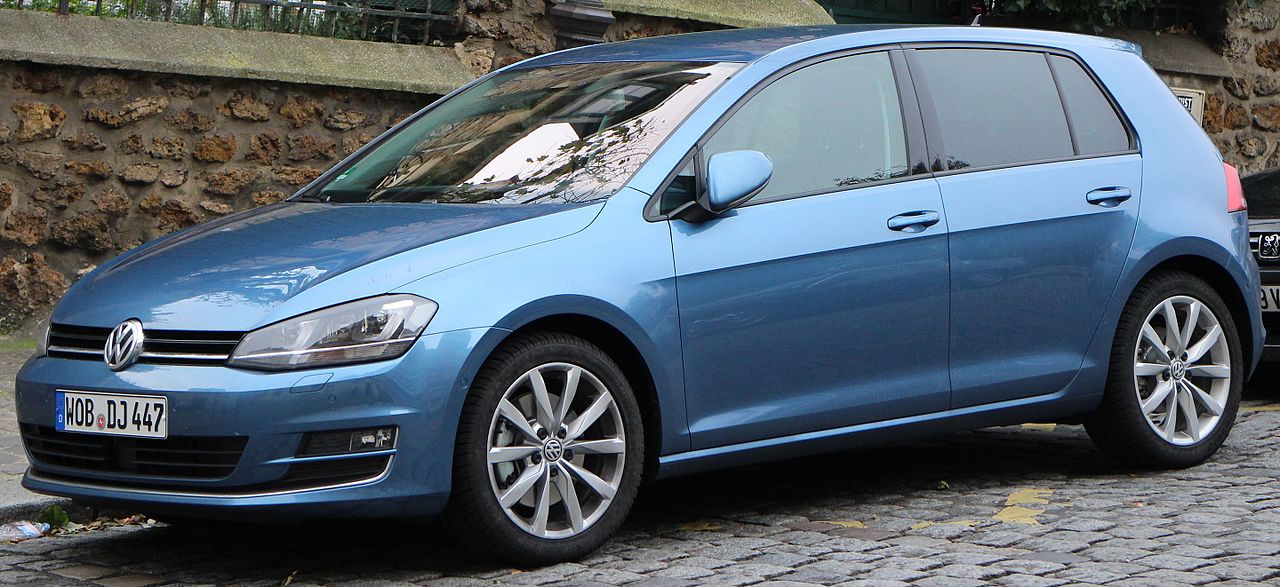
Devon is impressed with the new VW Golf (Used)


VW Golf 7 Blue (11050391564) (cropped).jpg

Want the best small car that money can buy? Two words Volkwagen Golf.

The 2.5 in-line five-cylinder has been replaced with a smoother 1.8-liter turbocharged four-cylinder producing 170hp. We love this engine because it's smooth and quite flexible thanks to high torque at low revs. What we loathe the most is that despite there being a manual gearbox option, it only comes with five gears while the DSG has six gears and it feels way more responsive. We have been able to test drive both and we'd choose the DSG.

The Golf won't disappoint at all when you take it on the road. Steering feedback is excellent and communicative. Handling is also a strong point too. It may not be as sharp as a GTI but most will be satisfied with its road holding manners. The ride comfort is the biggest compliment here. It feels like a much bigger vehicle and soaks up bumps very well. Some keen rivals can't even match the level of refinement the Golf has. With each generation it feels like Volkswagen pushes the enevlope even further.

Road and wind noise are so well suppressed you'd think you were in a luxury vehicle. There's barely any noise from the suspension over bumps and the engines are smooth and quite once at speed. The diesel produces a little clatter at idle, but this is expected from a diesel engine.

Interior quality has been improved dramatically from the previous generation. Many of the materials used feel upscale and soft touch. The dashboard is very user friendly and easy to navigate. With the optional touch screen display many of the menus are easy to navigate through and not distracting. Passengers will find comfort in both the front and rear, although the large transmission tunnel makes life for the middle man uncomfortable.

The two-door trim has been discontinued as well as the SEL trim. The standard S trim comes with plenty of kit standard. Rearview parking camera, Bluetooth connectivity and keyless entry are standard. You'll have to step up to the Wolfsburg trim adds leatherette seating surfaces, keyless ignition switch and blind spot monitoring system. We love how despite there being less trims to choose from, both trims come highly kitted and won't disappoint.

The Golf has always been a level higher than it's keen rivals and this is no exception with this new generation. Everything feels solid and long lasting. Reliability isn't the strongest point for Volkswagen but we can say that they have been improving dramatically over the years. So there should be no worry in this area.

The Volkswagen Golf is really a jack of all trade. It's a classy and pratical vehicle that proves you don't need a large vehicle to have luxury and refinement. Driving dynamics are spot on and the engine choices are both excellent. Combined with Volkswagen excellent engineering and build quality. It's no wonder we gave the Golf our top pick for small cars. It's just that good.

Likes: It's all the car you'll ever need. It's engaging to drive, classy and well put together. Both engines are flexible and smooth.

Dislikes: No more SEL trim, TDI engine or two-door option. We wish that VW offered the 1.4-turbo engine from the Jetta in the Golf.

Devon's Pick: The 4-door Wolfsburg trim level makes the most sense finacially with the Golf. Alloy wheels, leatherette seating surfaces come standard as well as air-con, cd player and remote keyless entry. If you're looking for the best deal on the Golf look no further.

Wednesday, May 30, 2018

Devon tries to see if the Nissan Versa Note is a note worth playing (Used)


Don’t like the classy and well regarded Honda Fit. The Nissan Versa Note will tick all the right buttons; but does it hit all the right notes?

The sole engine on hand is a 1.6 which is pretty much all you’ll ever really need with the Versa. It does offer decent flexibility around town and you may find yourself thrashing the engine on the highway to keep up with faster paced traffic.  Running costs are actually quite good which does help justify the small amount of power the engine produces.

Drive it the way it was intended to be driven and you’ll find yourself in a very comfortable small car. Push it into a corner or bend and you’ll be quickly reminded that this is an economy car. Handling isn’t bad but there is way too much body roll and this is all due to the suspension being set more towards comfort than agility. Plus the steering feedback is just okay. You may want to take a look at the Ford Fiesta if you want a fun to drive small car. Refinement is good but it isn’t as great as the Ford Fiesta and Honda Fit.

The driver’s seat does offer plenty of adjustments but the steering wheel only adjusts for height. There is plenty of space for four passengers and the interior feels pretty airy for such a small car. The boot space is decent too but with the seats folded down it’s even more spacious.

The saying goes you get what you pay for and the Versa Note is no exception. Standard S trim comes with air-con, cd-player and Bluetooth for your mobile phone. Sadly this is also the only trim that offers a five-speed manual gearbox. S-Plus trim adds CVT transmission, active grille shutters and dual power outside mirrors. You’ll have to step up to SV trim to get power windows and keyless entry as well as cruise control and USB connection for you iPod. SR trim adds alloy wheels, body-kit and unique interior trim. SL trim adds aluminum alloy wheels, keyless start and class-executive around view monitor.

The saving grace for the Versa Note is that it is cheap to buy and cheap to run. It may not hold its value as well as the Honda Fit, but for those that shop with their wallets won’t mind the somewhat average depreciation of the Versa Note and discounts will not be hard to come by. The interior isn’t anything to brag about but the materials feel very sturdy and long lasting. Plus Nissan consistently scores well in reliability.

All Versa Notes come with six-airbags, traction control and electronic stability program as well as anti-lock brakes and tire pressure monitoring system. Sadly not all versions get an immobilizer system to guard against theft.

The Nissan Versa Note is a great car for those who are on a budget and need a reliable and sensible car. It may not be as flexible as the Ford Fiesta or Honda Fit but it does the job well. Too bad you’ll have to pay for the options you’ll see standard on its rivals and it really doesn’t seem that much of a value either when you look at its standard kit. But for the price and the money you’ll save the Versa Note is a decent choice but not the best.

Devon’s Pick: SV trim adds comfort features such as power windows, keyless entry and cruise control. Buyers who want a manual gearbox are sadly stuck picking the very basically equipped S trim. But at least it offers Bluetooth which is rare in this price segment.

Likes: Overall it’s a decent car with low asking price and low running costs. The interior and boot space are both generous. A commuter car or workhorse this it really does tick the right buttons.

Dislikes: Keyless entry and power windows aren’t standard on all trims and not all trims get a manual gearbox option. SR trim has the looks but lacks the oomph; it doesn’t hit the right notes in refinement and SL trim is pricey for what it is.

Sunday, May 27, 2018

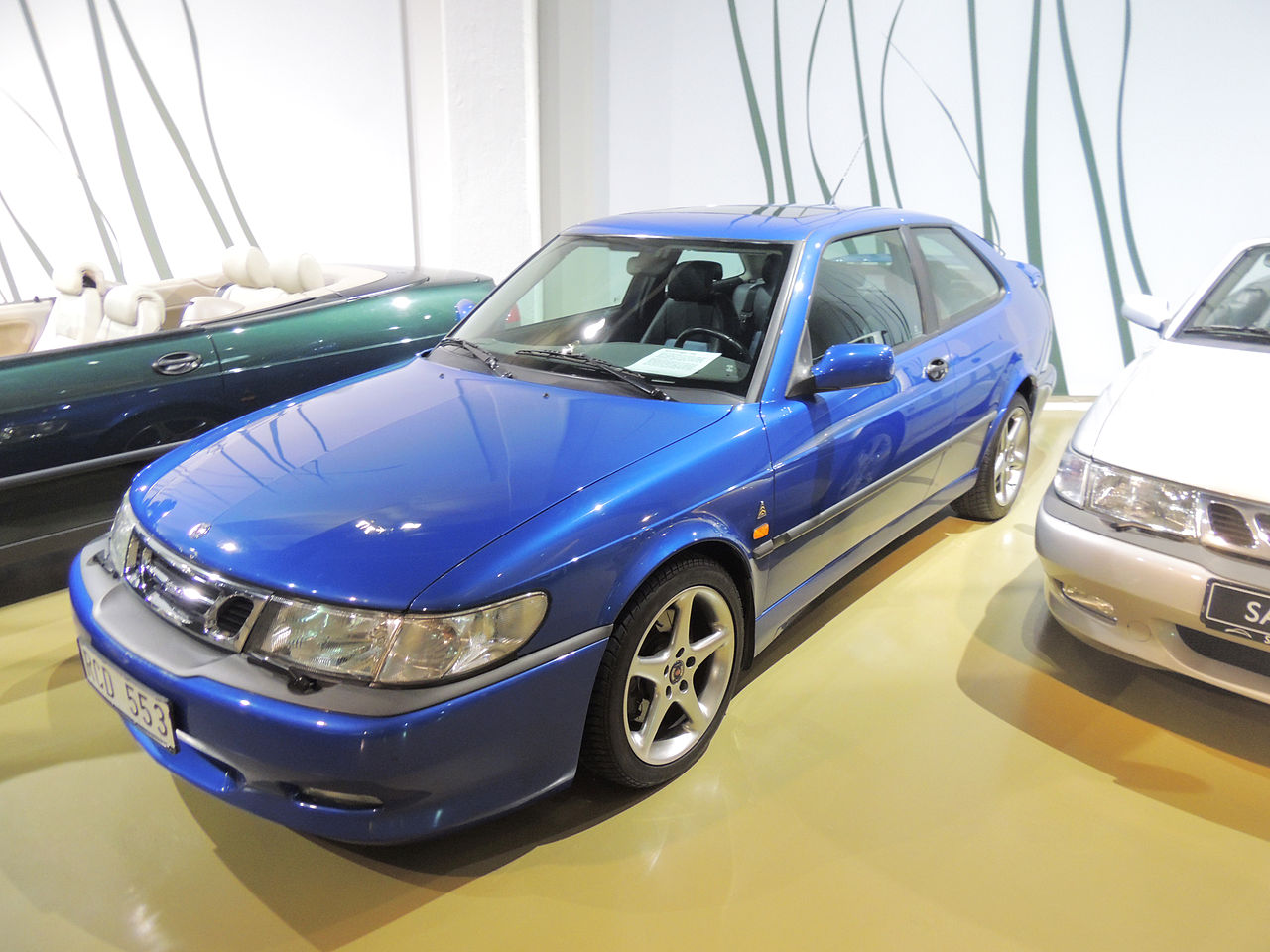
Devon does tribute to 9-3 Viggen


The 9-3 Viggen was the hottest and fastest 9-3 you could buy in Saab's line-up. It started off with a 2.3-liter high-output turbocharged four-cylinder which pumped out 225hp and 252lb-ft torque. Later it was pumped up to 230hp and 258lb-ft torque. This was one of the last of the Saab vehicles that really did leave a special place in my heart.

On the road: The 9-3 Viggen I was able to get my hands on had a 2.3-liter high-output turbocharged four-cylinder producing 230hp and 258lb-ft torque. All this power was sent through a five-speed manual that was slick shifting at times. The engine felt smooth and urgent when you put your foot down, but often times you'll want to grab the steering wheel with both hands. The front wheels felt like they were searching for traction and the chassis often felt overwhelmed by the amount of power the engine produced. This sent a huge amount of torque steer to the front wheels before the ESP kicked in and helped keep things under control. If the 9-3 Viggen would've been a rear wheel drive car, the torque steer would've been to a minimal. But then again its all part of the charm. It's one of those cars you can just take to a race track and have a hoot with, and drive it home and feel comfortable. The suspension was firm but not overly firm where it left you feeling beat up after driving a few miles on patchy surfaces.

From behind the wheel: Everything in the 9-3 cabin feels logically laid out. All the controls are easy to navigate and everything is within reach of the driver's hand. The instrumental panel and the way its designed has a sort of cockpit feel to it. The ignition switch is tucked away neatly between the front seats as well as the power window switches and power door lock switch. It was one of those designs you either hated or loved. Most people loved it because it really did make Saab different from other cars.

Practicality: One of the best things about the 9-3 Viggen is the amounts of space and practicality it offered. There is plenty of cargo space in the boot, and the rear seats can accommodate two adults and one child, or three kids. The front seats offered plenty of support and visibility all round is very good. Saab has always been known to incorporate practicality in their vehicles, with a splash of sport.

The 9-3 Viggen is a rare find and is worth the look. This is one of the last of the Saab vehicles that really did gain cult status among fans before Saab started chasing BMW and discontinued the iconic hatchback for a more mainstream sedan. One thing for sure though is there is no other car like a Saab, and even if Saab isn't in production anymore. Saab will always be the company that started the turbo craze and the whole left field illogical thinking. Ingenious safety features and some of the best turbo engines you can ever drive. Saab is and will always be a great company. 

Thursday, November 30, 2017

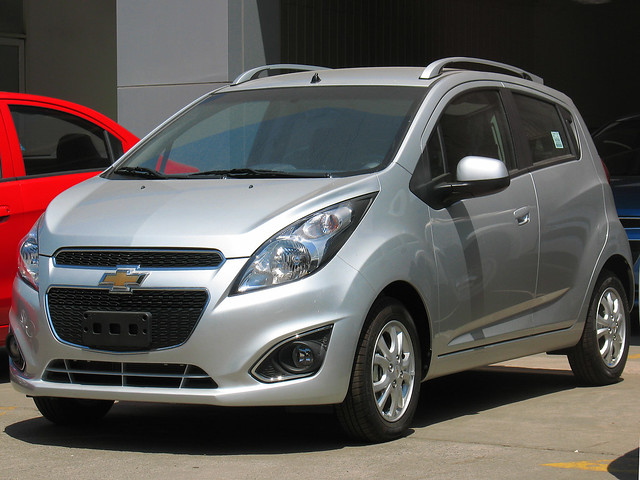
Can Devon find a Spark in a micro-sized Chevy? (Used)


File:2010 Chevy Spark LS (4359987176).jpg


Gas prices are high and the cost of owning a vehicle is going up. Chevy figured this would be the perfect opportunity to launch the Chevy Spark. It's a subcompact hatchback that has real potential to go toe to toe with the Fiat 500 and Toyota iQ. Even though Americans haven't really warmed up to small cars yet, will the Spark be able to spark something in this steadily trendy segment? Let's find out! 

Performance: There's only one engine available with the Spark and that's a 1.2-liter four-cylinder producing 84hp. It's not the peppiest engine and won't spark any excitement. Fuel economy however is the main concern here and that's where the Spark really sparks. It's at home around town where the little horespower it has is peppy and can catch up to traffic with ease. On the highway you may want to plan out your overtaking because it will take a while to get up to pace with the rest of traffic. We suggest sticking with the manual gearbox as it works better with the small amount of horsepower the engine has to offer. 

On the road: The Spark has a comfortable ride for a city car. Around town the suspension copes well with bumps and helps the Spark dart around tight urban areas with little to no effort needed. Venture outside of the city limits and the Spark's composed ride often feels unsettled. Most city cars feel out of their element outside of the city, so the Spark isn't too far off from its main rivals. 

Refinement: You'll have to work the engine hard to get any momentum out of it. The manual gearbox is better suited with the small engine size and output. Wind and road noise will intrude in the cabin at higher speeds making the Spark feel less refined than its rivals. 

Behind the wheel: The dashboard has a very user-friendly with most of controls and dials easily labeled and easy to reach from the driver's seat. The instrumental panel has a motorcycle like gauge which helps spark a little flare inside the cabin. There's plenty of adjustments for the driver's seat, but the steering wheel doesn't adjust for reach. This isn't a deal breaker but can compromise the driving position for taller drivers. 

Space & Practicality: Even though the Spark is small, the interior is roomy and offers plenty of space for four adults. There is plenty of headroom and legroom for front and rear passengers if the passengers are willing to share out the space. The boot space won't wow you but it's pretty decent compared to most rivals, you'll have to push the front seats forward to fold the rear seats down to extend cargo space. 

Equipment: The Spark starts at the right price tag but the base trim loses out on cd-player, keyless entry and a few other bits that you'd desire. You'll have to step up to the mid-range trim to add these features which we highly suggest. Top of the range trim adds leatherette seating surfaces, Chevy's MyLink, alloy wheels with roof rails. 

Buying & Owning: The Chevy Spark running costs should be low thanks to the ultra efficient engine under the hood. You may lose some of the fuel economy benefits due to the fact that you have to work the Spark's engine harder on faster paced roads. Starting prices for the Spark are below $13,000 which should appeal to the tight budget minded buyers. We however suggest sticking with the mid-range trim which adds keyless entry and few other bits that you'll want on your daily drive. 

Quality & Reliability: The Spark's interior is very nice but is surrounded by hard and cheap looking plastics. You can tell that this car was built to a price. It's a shame because the Spark has such a fun loving character. 

Safety & Security: The Spark comes with front and side curtain airbags standard. Hill start assist and electronic stability are standard across the range as well as traction control. The base trim loses out on a theft alarm and keyless entry which leaves the Spark vunerable to break-ins. 

The Chevy Spark is a spacious and roomy city car that benefits from an extra pair of doors for added versatility. It's stylish and quite a joy to drive around the city. Venture outside of the city and everything goes down hill from there. The engine doesn't offer enough momentum to really get you off the line and you'll have to plan out your overtakings. The rear seats are very difficult to fold down and the base trim feels rather short on kit. If you need a small urban runabout that can seat up to four and is cheap to buy and run. The Spark really does spark up these and shows that it is indeed a great car to consider.

Devon's Pick: The 1LT trim makes the most sense. You get air-con, keyless-entry, cd-player and cruise control standard. You still get the same 1.2-liter engine as the base trim but you're not losing out on comfort features. 

Likes: Fuel efficient, fun to drive around town, roomy for four adults. Stylish exterior looks and a well thought out interior design. 

Dislikes: Obvious sign the car was built to a price. Overwhelmed outside city limits. Rear seats fold down feature is fiddly to use. Color choices won't appeal to all. 

Devon M 


Wednesday, November 29, 2017

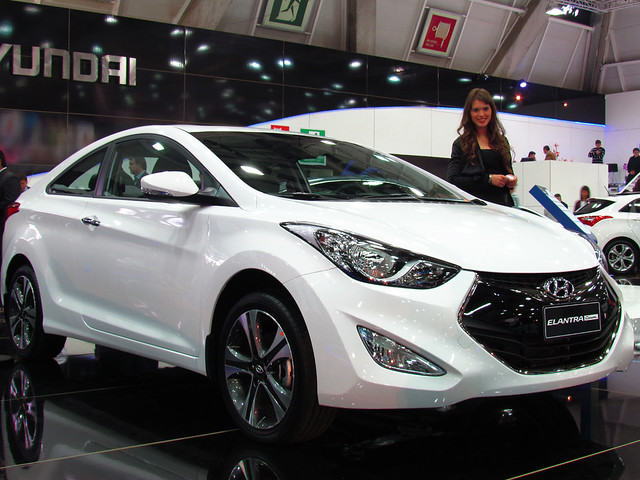
(Remember) Helping Ms. Indecisive: Hyundai Elantra Variants

Picking a car can be quite challenging. The first thing you always want to keep in mind is your needs vs your wants. You always want to pick a car that will meet your demands. Never pick a car that you know down the road will be too impractical or won't fit your daily livestyle. I am here to help Ms Decisive pick which vehicle will suit her best. 


photo
Photo provided by
Raul Gonzalez

Hyundai Elantra Sedan 
There's no getting around the alluring style of the newest generation Elantra. Long gone are the days in which you'd buy a Hyundai because they were cheap and that was it. The new Elantra is stylish, and still offers tons of value for money. In sedan form, the Elantra offers tons of room and practicality. It's not as spacious or versatile as the hatchback form, but it does have a more spacious rear seat if you want to carry extra passengers. In standard form you get air-con, power windows, keyless entry and cd-player standard. You'll have to step up to the top of the range to get keyless start, 17inch alloy wheels and navigation system. These features however you'll have to pay extra for. 

Compared to the Honda Civic and Toyota Corolla the Elantra sedan is a better choice. You get more power and extra luxury bits that both vehicles don't offer. Plus it's not as bland and dull to drive. 

Likes: Spacious interior for four, stylish exterior looks with plenty of value for money. 

Dislikes: Feels like it trades style for substance, road noise at highway speeds. 

photo
Photo provided by
Raul Gonzalez


Hyundai Elantra Coupe 


The Elantra Coupe is the sleek and stylish offering in the Elantra range. Compared to the Honda Civic Coupe and Volkswagen Golf. The Elantra Coupe has a sleeker profile and the overall image gives the impression that this is sportier than a GTI. However, you'll be surprised that the level of excitement doesn't really match the sporty looks. The engine is geared more towards fuel economy rather than sport. So your trade off is that you get great gas mileage but no excitement behind the wheel which is disappointing. 


Picking the Elantra Coupe is a no brainer here. If you want a sleeker version of the Elantra and don't really care too much about passengers, than this is obviously the better choice. It's just disappointing that it isn't fun to drive like the looks suggest. 

Likes: Much more sleeker looking than the sedan form, still carries the value for money factor well. 

Dislikes: Looks sporty but feels like it's aimed towards fuel efficiency. A turbo version would broaden it's appeal even more. 

Image result for 2013 hyundai elantra gt no copyright image

The Hyundai Elantra GT isn't shaped like the funky fastback of the previous generation. Instead it switches to a more conventional hatchback that is similar to the Toyota Yaris and Honda Fit. All three versions come with the 1.8-liter four-cylinder 148hp which is pretty zippy for what it is. In hatchback form the Elantra GT offers a roomier interior for extra luggage. Compared to the coupe and the sedan it costs more than both. If you need the extra practicality and space the Elantra GT is the perfect choice. 

Likes: Extra space for utility and practicality. Fuel efficient and stylish. 

Dislikes: Extra premium over the coupe and sedan. 

Devon M 

Monday, November 20, 2017

Devon goes bonkers with Ford Focus ST


Feeling the need for speed? But can't pay the premium that comes with it? Well Ford hopes that the Focus ST will lure you in. It's not as sophisticated as the Volkswagen GTI, but it is worth every single penny. Here's why!

Performance: A 2-liter high-output turbocharged four-cylinder produces 252hp mated to a smooth six-speed manual gearbox. Hooligans who wanted speed surely will get plenty of that. The Focus ST is fast and the manual gearbox is smooth. It's exactly what the doctor ordered for a high performance hatchback and these winning combinations won't disappoint!

On the road: We really wish the ST had a limited slip differential because there's just too much torque steer between the first two gears. This is mainly due to the fact that there is 270lb-ft torque only going to the front wheels. It reminds us of the Saab 9-3 Viggen which torque steered like no tomorrow. Handling is pretty good when you aren't pushing it to its limits and steering feel is great too. The Focus ST feels sporty and yet it's quiet and sophisticated interior quality makes it a strong contender against the Volkswagen GTI. The driving experience is even better when you turn off the radio and listen to that sweet revving turbo engine. It's one soundtrack we wouldn't mind hearing over and over again.

Behind the wheel: There driving position is good with plenty of adjustments for the steering wheel. All will find a comforable driving position. Our only complaint is the overly complicated button happy infotainment system. Plus the touch screen display is too fiddly operate while on the go. What hatchbacks are supposed to offer is plenty of passenger space and cargo space to go along with the speed. In the Focus ST defense we managed to get five passengers in and still enough for luggage. The boot has a decent amount of space.

Equipment: Unique ST body-kit with 18-inch alloy wheels are standard as well as SYNC voice activated entertainment system. Recaro leather seats are optional as well as HID headlights, sunroof and premium audio system with 10 speakers.

Buying & owning: Running costs aren't bad but aren't great either. But for the amount of speed you get with the Focus ST we think that it's pretty darn good, unless you drive with a light food that is. Insurance rates maybe a bit steep for younger drivers because the Focus ST is considered a performance car and will encourage the driver to drive it like a complete hooligan. Resale value should be strong because the ST has been very popular.

Quality & Safety: The plastics used in the Focus interior feel somewhat low rent in certain areas, while other areas it feels very luxurious and classy. Overall feel of the switchgears has been positive. Reliability record a little worrying as most Focus owners have rated their Focus below average compared to rivals. In case you get a little too carried away with your Focus there is stability control, anti-lock brakes both come standard. There's front and side curtain airbags with five-star rating. A theft alarm and engine immobilizer keeps theft at bay.

Hooligans can rejoice because the Focus St is what they've been waiting for. A cheap hatchback that's practical, spacious and roomy. Plus its just a complete hoot to drive thanks to that turbo engine. However it's just not as refined as a GTI nor is it as composed because there's just too much torque for the front wheels to handle. We wish it had a limited slip differential, but it's the best hot hatch money can buy and it really is worth every penny.

Likes: It's that one car that makes you want to drive like a complete hooligan and feel good about doing it. Practical and roomy plus its an absolute bargain!

Dislikes: Torque steer and fiddly infotainment system.

Thursday, November 16, 2017

Devon test drives a Small Chevy (Used)

2012 Chevrolet Sonic 1LT hatchback -- 10-19-2011 front 2.jpg


The Chevy Sonic has finally replaced the long and forgotten Chevy Aveo. This time around the Sonic is stylish and comes in the familiar sedan and hatchback body styles. Trying to catch up to its Korean rivals Hyundai and Kia. Has Chevy found a new reason to buy American? Let's find out.

Performance: Engine offerings are similar to that of the Chevy Cruze. You can choose from a 1.8-liter producing 138hp and a 1.4-liter turbocharged four-cylinder producing the same 138hp. Pick of the two is the turbocharged four-cylinder. It has more torque at low revs which makes it more entertaining to drive on the highway. Plus fuel economy between the two are relatively similar so it really only boils down to if you desire a turbo or not.

On the road: The ride feels jittery over rough surfaces but the suspension does a good enough job ironing out potholes and some road imperfections. The small size helps make the Sonic easy to maneuver around town. Steering feel is light but is rather heavy at low speeds. Take the Sonic on open road and the steering looses that sharpness and there's way too much body lean than we'd like. The non-turbo engine often feels short of pull when you are on the move. This is why we suggest going for the turbo which has the extra torque to make it feel less short winded. Wind and road noise are reasonably ironed out.

Behind the wheel: It's easy to get comfortable behind the driver's seat. Steering wheel adjust for reach and height and the dash board has a simple layout with a motorcycle-inspired design.  Visibility is good all round thanks to large windows and good seating adjustments. Rear seat space is best left for two as three would be a tight squeeze. Boot space is good too although you'll have to lift heavy items over a boot lip.

Equipment: LS trim offers keyless entry, Bluetooth connectivity and stability control. You'll have to step up to the LT trim to get cruise control, power windows and alloy wheels. LTZ trim adds rear view parking camera, fog lights and perforated leatherette seats. Top of the range RS trim adds a 7 inch infotainment screen, premium sound system and unique RS body-kit and interior treatment.

Buying & owning: The Sonic is priced aggressively towards the Ford Fiesta and Hyundai Accent. Running costs should be reasonable with both engines. Resale value won't be impressive but we think that it should hold its value averagely compared with most of its rivals.

Quality & safety: The Sonic isn't the classiest compared to its rivals but you do get a good amount of car for your money. The interior quality is good although some plastics feel rather cheap. It's a leap forward however and we applaud Chevy for finally get up with the times. Reliability record should be decent too.

When it comes to safety the Sonic comes with ten airbags standard as well as stability control and anti-lock brakes. Both standard across the range. An alarm system and theft deterrent comes standard to keep theft at bay.

The Chevy Sonic is a compelling option when you look at the Ford Fiesta and Hyundai Accent. However there are a few short comings that make it feel a tad behind its keen rivals. First the two engine choices are 'okay' there's nothing special about them. The turbo has the most zip and feels more peppy than the 1.8 which we think is the better engine option to go for. Handling and steering aren't as good as a Ford Fiesta and the overall packaging is good but feels a tad overpriced when you climb up the line-up. The RS trim is only for looks but is priced to compete with the Ford Fiesta ST and Fiat 500 Abarth which both have more powerful engines. If you can overlook these few negatives we'd say the Sonic is a huge leap in the right direction. Only if Chevy ironed out the few bits and added more power. The Sonic would be even more of an compelling option. Disappointing.

Likes: Finally a compelling small car option from Chevy. Turbo engine has real zip and is affordable. Interior quality has improved too.

Dislikes: RS trim needs more power. Handling and steering fall short on open roads. Sedan looks dumpy compared to hatchback.

Devon's Pick: The LT trim is the pick of the range. You get all the kit you'll ever really need with the Sonic. Plus the price seems very reasonable too. If you spec up the base trim the way you'd desire you'll be close to this trim which we feel is worth spending the extra cash for. Paying the extra for the turbo is also worth it too because the 1.8 feels short on pull.

Wednesday, November 15, 2017

Devon test drives niche BMW


Looking for a vehicle that is truly unique without having to pick a typical coupe or sedan? The 3-series GT fits the bill perfectly. But is it worth the premium though?
The standard 2-liter turbocharged four-cylinder produces 240hp. You can step up to an optional 3-liter turbocharged six-cylinder which produces 300hp. Both engines can only be had with all-wheel-drive. Pick of the range is a mere matter of taste here. The standard engine seems like a good deal until you compare it to the 3-series touring which is more versatile for similar money. The top of the range slowly enters into 5-series territory and only really makes sense if you want a 5-series with similar engine but don’t want to cough up the money.
On the road the 3-series GT is best had with the expensive adaptive M suspension. Without it the steering is heavy and the ride and handling are utterly disappointing. The adaptive M suspension lets you adjust the ride comfort for sporty and or comfort. We’d highly suggest leaving it in comfort mode because it really does help make the 3-series GT ride like a dream. In sport mode the ride is just too firm for our tastes.
The standard engine at idle sounds like a diesel engine, there’s just way too much clatter. The biggest disappointment is the stop/start system. When the engine reengages the whole car shutters. This is disappointing because the 3-series GT isn’t a cheap proposition to begin with. At least wind and road noise are well suppressed and with the adaptive M suspension the 3-series GT is a comfortable long distance cruiser.
This is where the 3-series GT and any other BMW becomes an expensive proposition, the options list. Standard form offers rain sensing windshield wipers, power tailgate, automatic climate control and HD radio. You’ll have to step up to the top of the range to add xenon headlamps, auto-dimming exterior mirrors with power fold feature and Bluetooth hands free connectivity for your mobile phone.
Buying a 3-series GT like any other BMW isn’t going to be cheap and discounts will be hard to come by. We aren’t even sure of resale value with the 3-series GT due to the fact that it is still far too new to really say. Reliability is iffy with BMW. Most owners complain of things going array after the warranty expires and the extended warranty is pretty expensive choice too. So picking it is again a mere matter of preference if you plan on keeping your 3-series GT long after the standard warranty expires.
The 3-series GT is for those who want to be different and are willing to pay the premium to have it. All others should look at the 3-series touring.
Likes: Both turbo engines are punchy and smooth. There’s plenty of space for five and the boot is of decent size. It’s very distinct looking.
Dislikes: It’s very distinct looking. Stingy standard kit, expensive options list. Stop/start system makes the whole car shutter when engine reengages.

Monday, October 16, 2017

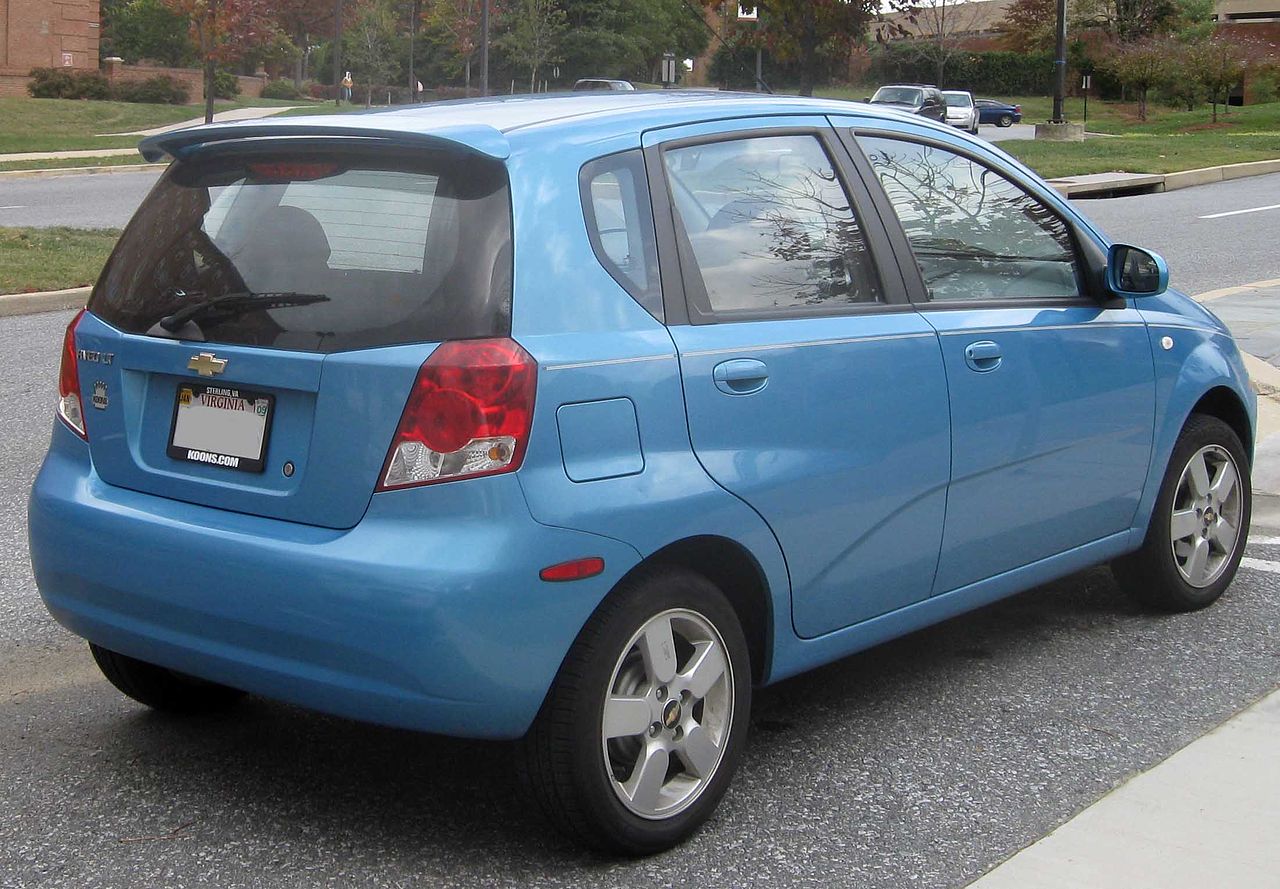
Devon Test Drives a Chevy Aveo (used)

Cheap cars are becoming all the rage. With many automakers going small to appeal to an audience they've never reached out to. Chevy however, has been building cars that are affordable for many years. Many of them fail against rivals from Japan. So how does the Aveo stack up?

Performance: There's only one engine available and that's a 1.6-liter four-cylinder with 108hp. Acceleration is peppy around town. But when you get to highway speeds, the engine struggles to get up to pace. You'll need to work the engine hard to get the most of it. Fuel economy is good, but rivals offer more power and similar fuel consumption.

Ride & Handling: If you're looking for a fun to drive city car, you'd best look elsewhere. The Aveo has numb steering that offers very little feedback. The suspension is set towards comfort, so there's lots of bodyroll in corners. The ride can be a bit bouncy on some road surfaces.

Refinement: The engine feels refined, until pushed hard. Around town, the Aveo feels quiet and comfortable. On the highway, there's lots of wind and road noise that sneaks into the cabin.

Behind the wheel: There's no adjustment for reach, which makes the driving position for some hard to obtain. The seating position is also a let down. You'll feel like you're sitting on the car rather than sitting inside. This will discourage enthuisatic driving. For the price the interior feels well put together. Nothing stands out, or feels special. There are rivals that offer better interiors for the money.

Space & Practicality: For such a small car, there's plenty of leg and headroom for four passengers in the interior. The boot isn't big, but offers enough space for small city runs. There's split folding rear seats to extends cargo space.

Equipment: The term "you get what you pay for" really does define the Aveo. The base trim level feels down right mean. There's no air-conditioning, and many other features that are standard on other rivals. You'll have to step up and pay more to get the extras that should be standard. To get a well equipped Aveo, you'll pay about the same or more than its rivals. Making the Aveo seems somewhat of a let down in value.

Buying & Owning: The Aveo doesn't seem like much of a bargain compared to its rivals. The engine offers decent pace, if you're trips don't evolve going outside of the city. Resale value isn't anything to brag about, but fuel economy is good. It offers plenty of space and feels comfortable when driven in a economical non-sporty manner.

Quality & Reliability: The interior feels worth the asking price. There's nothing special about it, but the materials used look and feel sturdy. Reliability has been good, but there are some reports of engine problems by owners.

Safety & Security: There's available ABS but that option is limited to the top of the range. Now a days vehicles are offering many safety features standard. Leaving the Aveo far behind in the competition. There's a mandated alarm system but little else in terms of security against theft.

Likes: Plenty of space for a small car, decent fuel economy.

Dislikes: Under-powered engine, not as fun to drive as it looks, numb steering and lots of body-roll.

Overall: There are many rivals that offer a blend of everything the Aveo falls short in. The replacement for the Aveo will address everything the Aveo failed to live up to. However, if you need a cheap car that's comfortable and has decent running cost. The Aveo is the car for you. You might want to consider its rivals first.

Tuesday, September 26, 2017

Devon Focuses on a New Ford (Used)

Pre-facelift Blue Ford Focus in the Philippines.jpg


If you considered a Ford Focus in the past, most likely you'd pick one because there were massive discounts or you were given one as a rental car. The new Focus is a breathe of fresh air in the crowded compact car market. It's stylish, affordable and offers tons of technology that can rival some of the more expensive luxury brands. 

Does the new Focus have what it takes to shake off the rental car image and be a serious contender in the compact car segment? Or is this another "all style no substance" vehicle? Let's find out.

Performance: The Focus can be had with two engine choices. There's a 2-liter four-cylinder producing 160hp and a 2-liter turbocharged four-cylinder producing 252hp at the top end of the range. The more mainstream 2-liter 160hp engine is the pick of the range. It may not offer the fire breathing turbo engine from the ST, but it's quite enough for what it has to offer. Acceleration is decent around town and on the highway. Fuel economy isn't bad either. 

Ride & Handling: The Focus is quite a joy to drive around twisty bends and even on the highway. The ride comfort and overall handling is one of the sweet spots. Body control is good and steering feedback is very communicative. It may not be as sharp as the Volkswagen Golf, but it does it's job really well. The ST has a firmer suspension which results in a firmer ride. The trade off is the handling is spot on good, but still lags behind the Volkswagen GTI finesse. 

Refinement: Wind and road noise are so well suppressed in the Focus that you'd think you were in a larger more expensive vehicle. Both engines operate smoothly even at highway speeds. The ST turbo engine racy exhaust note makes it more addicting to push harder on the highway. The manual gearbox is the better choose with slick gear change and overall feel of the clutch makes it easy to deal with as a daily driver. The six-speed automatic offered is smooth but often hesitates between gears, making it feel rather jerky at low speeds. 

Behind the wheel: The driving position in the Focus is spot on. There's plenty of adjustments for the driver's seat and steering wheel. Visibility is good thanks to nicely sized windows and exterior mirrors. The dashboard is too button busy for our tastes. Many of the controls are rather fiddly and can be somewhat distracting. 

Space & Practicality: Although the Focus is small on the outside, space for four adults in the inside is possible. Leg and headroom is decent all-round. The boot isn't massive, but for the amount of space that it has most will find it quite enough to meet their needs. 

Equipment: The Focus comes well equipped even in base trim. Air-conditioning, stability control, CD-player and air-con all come standard on the base trim. Mid-range SE trim adds alloy wheels, cruise control and auto headlights. Top of the range Titanium trim adds leather trimmed seats, reverse sensors and a dual-zone climate control. ST adds turbo engine, unique ST grille and fog lights with a six-speed manual gearbox. 

Buying & Owning: The Focus base price is competitively priced with the Golf and Civic. The higher the trims you climb the more kit you get, but the higher the price will climb. Running costs will be decent thanks to good fuel economy, while resale value should be good thanks to strong demand. The ST trim will be slightly more expensive than the mainstream Focus, but the thumping performance makes up for the price. 

Quality & reliability: The quality and feel of the cabin materials are very good. This is a step up for Ford because in previous generations of the Focus, many of the plastics felt cheap and scratchy. Reliability of the Focus has been a mixed bag. Many owners have complained about the radiator and also the automatic transmission. 

Safety & Security: All Focus trims adds front and side curtain airbags standard. Traction control, anti-lock brakes and stability control are also standard. Tire pressure monitors are standard across the range as well. Anti-theft system is standard while anti-theft alarm is optional. 

The Ford Focus is a vastly improved vehicle overall. The interior has been improved and the overall image of the vehicle is no longer a rental car or the bland unappealing Focus of the previous generations. Ford has finally stepped up its game and given a Focus that's worthy of consideration in the small car segment. However, the dashboard is button crowded with fiddly operation and the reliability record is iffy. Overall the Focus is a step up in the right direction but needs some improvements in areas that matter to buyers the most. 

Devon's Pick: The SE trim is all the Focus you'll ever need. It offers decent kit and the engine offers enough oomph for both city and highway driving. Low running cost and decent asking price makes this trim ideally the pick of the range. 

Likes: Fun to drive with sharp steering and excellent body control. Thumping turbo engine in ST trim. Plenty of luxury options for very little money. 

Dislikes: Iffy reliability record, dashboard is rather button crowded with fiddly operation. MyFord Touch system is fiddly to operate and distracting to use. No engine to pick between the mainstream Focus and ST trim. 

Devon M