What's On

Showing posts with label all-wheel-drive. Show all posts

Friday, February 10, 2023

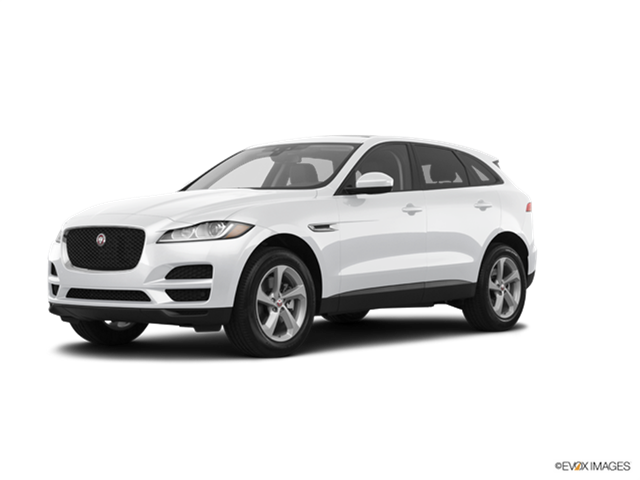
We set a new pace with Jaguar (Updated with diesel engine) - (Used)


Image result for 2017 jaguar f-pace no copyright photo
Jaguar has finally taken a page from Porsche with a crossover, a mighty fine crossover at that. But it doesn’t come without its flaws and those flaws definitely can’t go unnoticed.

There are four engines to choose from. We only managed to test one of them, but we are going to go through all four engine options first. Standard 25t AWD uses a new 2-liter turbocharged four-cylinder pumping out 247hp. 20d AWD gets our favorite 2-liter turbo-diesel pumping out 180hp. 35t AWD (our tester car) comes equipped with a 3-liter supercharged six-cylinder producing 340hp while top of the range S AWD uses the same 3-liter supercharged six-cylinder pumping out 380hp. The only vehicle we’ve managed test drive the diesel in is the XF and that had mixed opinions. We loved the 35t AWD in the XE and well those opinions hadn’t changed much when applied to the F-pace.

The engine provides strong pull from a standstill and is actually quite easy to drive around town. We love the raised driving position and despite having a higher center of gravity compared to the XE sedan, the F-pace handles just as well. Our tester car came equipped with an air-suspension which allowed us to slip it into comfort mode. This made the driving experience impeccable. Dare we say it’s better than an Mercedes S-class? Steering feedback is where it should be and the ride comfort can range anywhere from firm to extremely comfortable. Road and wind noise won’t be much of an issue as the F-pace irons out both well.

The infotainment system has been a huge headache for us. It’s not that the interface is hard to use, it’s the quality of it. Several times it would freeze up and sometimes wouldn’t respond at all. The gear selector didn’t rise up from the console until moments after the vehicle has been activated and the auto high beams are overly sensitive. They often confused lightly shaded areas as a need to have headlights on at the highest setting. We were greeted by a few angry drivers who of course were blinded by our headlights. The engine check light activated as well and the rear parking sensors completely failed on us. Prior to returning the F-pace the car completely stalled on us while we were on a busy street. The Jaguar Dealer sent a tow-truck quickly and told us that someone used the wrong grade fuel this is why the engine shut off. We didn’t stop for fuel during our test of the car so we’re guessing it was the fault of the dealer.

Our tester car came kitted with power-folding mirrors, full-LED headlights; navigation system and dual-zone climate control. The optional extra bits included steering wheel memory, Meridian premium sound system and a full air suspension. You’ll have to pay extra for the kit that you’ll most likely want with the F-pace which pushes the price up considerably. The F-pace we had was mildly kitted and seemed priced within reason. We would most likely choose the diesel engine as it has low running costs and seems quite flexible thanks to the high torque at low revs. Sadly we didn’t get the chance to test that one.

The F-pace really does feel different from the Land Rover Disco Sport. It certainly is more entertaining to drive than the BMW X3, sadly we had so many electric issues with our tester car and of course the engine completely stalled on us when we were taking it back to the dealership. It seems as if Jaguar is taking steps in the right direction but the quality we feel needs to improve. Otherwise this is one of the best luxury crossovers you can buy. It’s stylish and easy to live with. It is a great crossover that’s hard to hate.

Likes: It’s fun to drive and very practical. Jaguar did a fantastic job with the styling and on-road dynamics are superb.

Dislikes: It suffered from electrical issues.

Our pick: Sadly since we only could test one of the four engines. We’d say stick with the cheaper turbo four-cylinder (25t) for those who want the F-pace at a decent price. Our tester car came in at over $60k but the amount of standard kit matched the asking price. We just wish that it didn’t stall on our test drive of it. The turbo-diesel option (20d) is the way to go if you plan to do tons of highway driving and want to have the most appealing running costs.

Update: We finally got our hands on an F-pace Diesel. We still stand by our statement of choosing the diesel of the petrol engine options. It seems to be the better deal overall. We know that most people will say if you can afford a Jag why on earth would you ever need a fuel saving diesel engine? Well, the diesel engine fits the character of the F-pace as a highway commuter car. It doesn't feel overly powerful and yet it still remains posh and refined. We loved how smooth the engine revved and it didn't feel like it was out of puff around town or on the highway. The only time it feels sluggish is when you run out of steam but that rarely happened with us. We are still trying to figure out when we are going to be able to test drive the new 2-liter turbo engine that Jag/Land Rover developed. 

Thursday, January 26, 2023

Devon test drives a Mazda Crossover with #zoomzoom (Used)


Image result for 2013 mazda cx-5 no copyright photo


You need a compact crossover that’s fuel efficient, stylish and doesn’t even ditch the fun to drive factor. There are quite a few of them to choose from, but not many of them can quite click the buttons well like the CX-5. With stiff competition and stronger rivals, can the CX-5 justify a reason to buy one? Or is it all style and a lost cause? Let’s find out.

Performance: The CX-5 comes with two engines. The standard 2-liter four-cylinder produces 155hp. Top of the range comes with a 2.5-liter four-cylinder producing 184hp. Picking between the two all depends on tastes. Pick of the range is the 2.5 which has extra oomph without sacrificing gas mileage. Only tradeoff is you’re limited to an automatic transmission. The 2-liter trim is best left with a manual gearbox which works well with the little horsepower the engine has to offer.

Ride & handling: The CX-5 handles like a well balanced sports sedan. In the corners the CX-5 manages to remain perfectly flat. There’s plenty of confidence and really is quite fun to drive considering the size and weight. Ride comfort is a bit on the firm side. It stops short of being uncomfortable which is also welcome plus.

Refinement: The CX-5 does a fair job at ironing out wind and road noise. Some of its rivals do a better job at this. Both engines operate with finesse, the 2-liter can be heard at higher speeds or if you push it hard on the highway. If you option for the manual gearbox the shifts are smooth and precise, while the automatic is quite fun in manual mode.

Behind the wheel: There are plenty of adjustments for the driver’s seat and steering wheel. The dashboard has a no nonsense layout which gives it much more of a user friendly environment compared to the Ford Escape. The navigation system that’s offered isn’t as intuitive as some its rivals. Visibility from the rear is slightly hindered due to thick pillars.

Space & Practicality: There is plenty of space for four passengers inside the cabin. A fifth person can sit in the middle of the rear seat comfortably thanks to a flat floor where the transmission tunnel would most likely be. The boot space is nicely sized with the seats in place. With the seats down however the space is quite enormous for its size.

Equipment: The sport trim adds air-con, power windows, keyless entry and a fully functional trip computer standard. You’ll have to step up to the touring trim to add a 5.8inch touch screen display, six-speaker sound system and Bluetooth Technology. Top of the range Grand Touring adds rain sensing windshield wipers, auto lights, leather seats and 19inch alloy wheels.

Buying & Owning: The CX-5 is competitively priced with its keen rivals the Ford Escape and Hyundai Tucson. The fuel economy benefits between the 2-liter and 2.5 aren’t huge so both engines should be relatively cheap to run. Resale values and overall residual values should be average as well.

Reliability: Mazda generally enjoys strong reliability and build quality. The CX-5 is no exception to this and we think that long term reliability should be above average. Most of the materials used in the cabin are classy and feel long lasting.

Safety & Security: Front and side curtain airbags come standard across the range. All-wheel-drive is optional on both the 2-liter and 2.5 engines. Traction control, stability program and anti-lock brakes are all standard as well as brake assist. An engine immobilizer with anti-theft alarm is standard to keep theft at bay.

The CX-5 is a great compact crossover that’s stylish, spacious and fun to drive. The starting price is low and the overall driving impressions are all positive. This is a step in the right direction for Mazda. If you are looking for a compact crossover that’s fun, roomy and clicks all the right buttons in versatility and fuel economy. The CX-5 is a true winner.

Devon’s Pick: The CX-5 Touring trim adds the 2.5-liter engine which I think is your best bet if you want to get this car with an auto gearbox. The extra horsepower doesn’t feel sapped up and you won’t have to work it as hard. The 2-liter is best left with the manual gearbox which utilizes what the engine has to offer.

Likes: Low running costs thanks to fuel efficient engines. Stylish exterior and interior design, fun to drive thanks to responsive chassis and responsive steering.

Dislikes: Base engine feels gutless on the highway with automatic transmission. Ride comfort can be overly firm on some surfaces. Some interior bits don’t feel up to par with its competition.

Devon M

Thursday, January 12, 2023

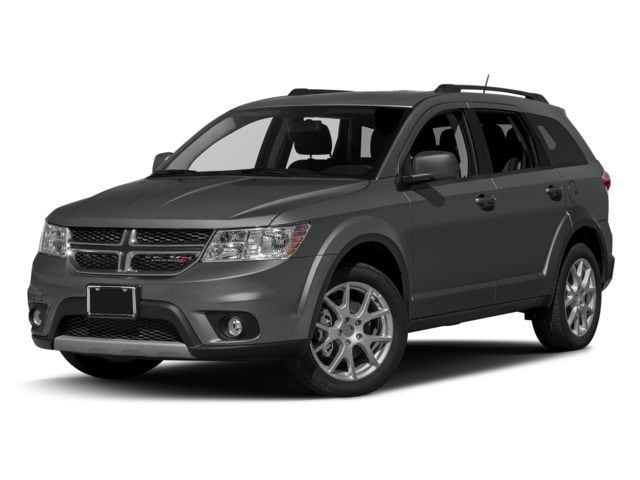
There's no Journey with this Dodge (used)


Image result for 2017 dodge journey sxt no copyright photo
The one star rating is all you need to know. Look elsewhere!

The Dodge Journey comes with a choice of two engine choices. The standard 2.4 is best avoided as it comes with an ancient four-speed automatic. The engine itself isn’t bad; we just wish that the transmission was more refined. The optional 3.6 is the way to go and is our pick of the range. You get all-wheel-drive standard and a much more refined engine. We’ve said this before and we’ll say it again, the slight spike in running costs are well justified here because this engine is the best of the two offered.

Don’t buy the Journey thinking that you’re going to get a rewarding crossover to drive because you will be bitterly disappointed. We weren’t expecting much in terms of steering feedback and handling, both which are numb at best. What it does do is provide a smooth ride and while the steering is okay for what it is, you’ll probably want to look at a Ford Explorer for better refinement. The 2.4 is noisy at all speeds while the 3.6 is much more refined and is way more flexible which matters the most in our books. After all this is a seven-seat crossover and you’ll most likely use this for ferrying the family around. Why not get the engine that can handle a fully laden vehicle?

The U-Connect system is actually a lot easier to use than we thought it would. However, just like many touch-screen infotainment systems. The vast number of menus can get a little distracting while on the move. The front seats offer decent support while those in the second row won’t have anything to complain about. Passengers in the third row may feel a little shortchanged on space because there really isn’t much of it, kids won’t complain though. The boot space is tiny with the third row in place, fold it down and space opens up considerably. The second row folded down provides space similar to that of a cargo van. Some of its keen rivals have way more space than that but for the size of the Journey compared to others we’ll let it slide.

Our tester car was the SXT which came equipped with the 3.6 six-cylinder and all-wheel-drive. Key standard features include Bluetooth connectivity for your mobile device, keyless ignition switch and dual-zone climate control. A premium group package was also added which came with electrically operated driver’s seat, 19-inch alloy wheels, leather-wrapped steering wheel and a security alarm system. This vehicle came with a steep discount and the dealer was willing to knock off more if we took the vehicle the same day. It was a tempting proposition to say the least, but we don’t need a seven-seat crossover as a vehicle. If we had a need for one; we would’ve strongly considered the offer handed to us. However, the quality issues associated with FCA vehicles would’ve still lingered at the back of our minds.

The Dodge Journey is in desperate need of a redesign. Otherwise you can buy it at dirt cheap prices, but sometimes it’s better to pay the premium for a much better vehicle. The Journey may have ticked all the right buttons when it was first launched, it certainly doesn’t hold that fight like it once did and is best avoided.

Likes: The cheapest seven-seat crossover available, the 3.6 is the best engine to go for and it’s dirt cheap.

Dislikes: The 2.4 should be the better engine but it’s not. It feels far behind competition and the fact that Dodge has yet to give it any significant updates. FCA quality is concerning and residual values are appallingly low.

Friday, January 6, 2023

(Sorry Abba) Volvo has done the radical with its wagon


The chances of Abba returning as a death metal band were once considered higher than Volvo doing anything radical with its wagons. Boy were we wrong, the V60 Polestar certainly has the looks and a thumping turbo engine under the hood. We're guessing Abba maybe making a radical change in genres as well.

The V60 Polestar uses a turbocharged and supercharged four-cylinder pumping out 362hp, if it had 3 more hp it would have 1hp for every single day of the year. There's only a eight-speed auto gearbox that can be had with the Polestar, but we don't mind at all because the thrill is in the drive and that's where the V60 shines. It has the steering feedback that you'll instantly fall in love with and the standard all-wheel-drive helps keep things sorted and under control. What we find most interesting about the V60 is that despite being a wagon with hot hatch turn of pace, it actually is quite easy to live with. You won't have to worry about a rock hard suspension, as you can slip it into comfort mode. The engine isn't loud and annoying when you aren't driving like a hooligan and the front seats are so comfortable that it should be a requirement for all sporty cars to follow suit.

Volvo knows a thing or two about making easy to use infotainment systems that ooze class and refinement. The controls and dials all fall into place and are easy to find at a glance. The floating dashboard design is distinct and the overall quality of the cabin materials are top notch. The front seats offer superb comfort while those in the second row may feel a tad bit shortchanged on legroom. The boot space is class average, some may say that the V60 is just a hatchback trying to be a wagon. We certainly don't feel this is the case, as the V60 is roomier than the 3-series touring and certainly much better looking if we say so ourselves.

Brembo brakes, 20-inch alloy wheels and integrated body-kit with sport-tuned chassis comes standard. You'll also find active xenon-headlamps, auto-folding exterior mirrors and collision warning with full auto brake standard as well. Volvo tends to be quite generous when it comes to standard features and while this is the most expensive of the V60 range, it certainly doesn't leave anyone wanting more. You'll have to step up to the Mercedes E-class AMG wagon if you find this one lacking, and that is only available as special order (sadly).

The V60 Polestar will certianly be a rare breed on the road. Everyone seems to want crossovers these days, but it is a bold move on Volvo's end to offer such an amazing vehicle on our shore. It certainly has the looks and it certainly does deliver when it comes to performance. The price tag maybe a bit steep for some but if you have to bank and you don't want a crossover, trust us when we say this. The V60 Polestar is one hot wagon that you don't want to ignore.

Likes: It decently sized boot and a thumping engine that gives it hot hatch turn of pace. It's easy to live with and as with traditional Volvos it's has plenty of safety kit.

Dislikes: No one will pay it much attention.

Thursday, September 20, 2018

Top pick: Mazda CX-9


2016 Mazda CX-9 (TC MY16) Azami 2WD wagon (27793959746).jpg


You’d be pretty daft to think that Mazda isn’t capable of making a great seven-seat crossover. The proof is in the CX-9 which in our opinion is one of the best options out there if you need seven-seats but don’t want to lose driving entertainment. It’s our top pick after all.

The 2.5 turbo four-cylinder pumps out 250hp and a diesel-like 310lb-ft torque. You can use regular fuel on this engine but the output will drop to 227hp and well a 23hp loss in power is not worth saving few nickels and dimes. We highly recommend using premium fuel to get the fuel 250hp from that four-cylinder engine. The best part of the CX-9 is the fact that despite it not having much horsepower it doesn’t feel sluggish to drive; it’s actually the complete opposite. The high torque at low revs gives the CX-9 so much pull that driving around town is smoother than you’d think and when it comes to passing on the highway, the four-cylinder manages to cope with the heavy weight of the CX-9 with surprising amounts of flexibility. Steering feedback is amazing and the chassis manages to be comfortable and agile. Road noise is present but it is far from annoying or a deal breaker, you can easily drain it out with the radio, wind noise wont’ be much of an issue either thanks to good interior insulation.

The front seats offer superb comfort and the driving position is spot on good. The second row is good in space as well while the third row is surprisingly comfortable with plenty of comfort features to help it feel less claustrophobic. The CX-9 may not have the same amount of cargo space as a Chevy Suburban with both two rows of seats folded down but to say that the CX-9 isn’t roomy enough ultimately means that you’ll have to pick either a Chevy Suburban or Ford Expedition EL.

The dashboard is first class in refinement and the fact that all the controls and dials are within reach of the driver’s hand and are easy to use. The infotainment system is actually quite easy to navigate through with all the menus logically laid out, even though we still bash them for being too distracting while on the go. The Bluetooth connectivity is so seamless to use and isn’t as fussy as the Nissan Maxima we had as a tester.

Our tester car was the Grand Touring trim which came with LED headlights, 20-inch alloy wheels, optional all-wheel-drive system and a Bose premium audio system. Also included in our CX-9 was navigation system, lane departure warning, distance pacing cruise control and blind spot monitoring system (this feature came in handy as we nearly cut-off a few people who rode in our blind spot during a brief drive on the highway).

There are few crossovers that really do tickle our fancy and make us wish we had a need for seven-seats. The CX-9 is one of those crossovers. It really does live up to the ‘zoom-zoom’ with the way it feels on the road and how comfortable and easy it is to live with despite it being a large seven-seat crossover. The only other crossover that doesn’t feel as daunting to drive is the Mercedes GLE and well not everyone wants to pay the premium for one, thus the CX-9 literally is the best of the best and is our top pick.

Likes: The turbo four-cylinder is smooth and offers plenty of flexibility, while running costs is within reason. It can fit up to seven people and doesn’t feel daunting to drive.

Dislikes: Don’t use regular fuel!

Our pick: Most people will be happiest with the Sport or Touring trim. We highly suggest going right for the Grand Touring Trim. It comes with so much kit standard and the asking price is actually quite reasonable. It may be a tad too pricey for some but what you get in return is well justified.

Monday, June 4, 2018

[Look back] review of Saab 9-3X


Image result for saab 9-3x no copyright photo
Likes: Comfortable front seats, stylish inside out, roomy and well insulated interior, strong turbo engines, decent fuel economy, very well equipped.

Dislikes: Expensive, needs a more powerful engine to cope with added weight, buying one seems rather risky.

Truck based 4x4s are being replaced by car-based 4x4s and crossovers. The Saab 9-3X is basically a 9-3 sports combi with a raised driving height. It's stylish, and offers more all-round versatility with a splash of off-road capability. But will this be enough to pull buyers from the much cheaper Subaru Outback?

Performance: There's only one engine available for the 9-3X, its the same engine used in the 9-3 range. A 2-liter turbocharged four-cylinder with 210hp. It offers decent pace and is very flexible. Fuel economy is decent too, but a more powerful engine is desired to cope with the extra weight.

Ride & Handling: The ride comfort is good considering the higher driving position. Only the worst of potholes upsets the ride. The 9-3X feels more refined on the motorway than the standard 9-3. It's not a great handler, and the steering is rather numb. There's little confidence and will discourage drivers to push on through bends.

Refinement: The 9-3X is generally a quiet car, you can hear noise from the turbo engine. However, the noise is far from invasive. Saab has done an excellent job of insulating the cabin from road noise, although you can feel the suspension crash on the hardest of bumps, you'll never hear it. There's barely any wind noise either. The gearchanges are smooth, and the switchgear feel durable.

Behind the wheel: The 9-3X shares the same interior decor as the standard 9-3. The dashboard has a simple logical design, with many controls within easy reach of the driver's seat. Night Panel keeps eye strain to a minimal in night driving, and the front seats are the most comfortable in its class.

Space & Practicality: There's plenty of room in the front, and plenty of adjustments to get comfortable. Rear passengers have plenty of room, but shoulder room is tight for three passengers. The transmission tunnel intrudes into space too. The boot isn't as large as an Outback, but there's plenty of space to spare. The seats fold 60/40 for extra space.

Equipment: The 9-3X comes well equipped for the money. You get climate control, steering mounted audio controls, rain sensors and alloy wheels. All-wheel-drive is standard, as well as roof rails and a raised driving height.

Buying & Owning: The 9-3X isn't cheap to buy. Prices are higher than that of the Outback. But the 9-3X has more style and substance than the Outback. It's distinctly designed, and offers plenty of kit for the money. Resale vaule isn't its strongest point, and buying a 9-3X right now seems rather risky. With Saab being in the turmoil of problems its in right now. The fate of the company is still unknown.

Quality & Reliability: The cabin feels well put together. There's an attractive dashboard, but durability is a question. The standard 9-3 doesn't enjoy the best reliability record, and the 9-3X shares much of its mechanicals with the standard 9-3.

Safety & Security: Saab is known for safety and security. Top notch anti-theft alarm, engine immobiliser and deadlocks are all standard. ESP, side curtain airbags and ISOFIX child seat mountings all come standard as well.

The 9-3X isn't the cheapest alternate to the Outback, but you do get a nicely appointed interior and many luxury features standard. The all-wheel-drive doesn't have a low-range, so off-road abilities are limited. Fuel economy is decent, and the turbo engine provides flexible driving performance. For the price, there are rivals that offer the same for less cash. However, the Saab has a charm that no other rival can offer. Distinctly designed and comfortable long journey vehicle.

Saturday, November 25, 2017

Devon tests drives a Subaru XV (Used)


If there were ever a vehicle that blended go-anywhere all-wheel-drive, a roomy interior and fuel economy that is almost similiar to a small family car. You'd say we were crazy, but what if that vehicle existed? It would be the Subaru XV.

Performance: There is only one engine choice for the XV and that's a 2-liter boxer four-cylinder producing 148hp. Acceleration around town is decent and highway passing power is okay. The XV only weights 3,100lbs so this is actually quite enough. In some situations however, the engine leaves us wishing there were a more powerful output to choose from.

Ride & Handling: The XV comes standard with all-wheel-drive which provides oodles of grip and traction when you need it the most. The ride comfort however isn't the greatest. On some surfaces the ride quality feels a little bit of a let down, especially on the highway. You'll feel an unrelenting tremor which is too bad because it handles very well.

Refinement: The engine doesn't really have to be worked hard if you aren't in a rush, but if you are you'll hear it. Wind and road noise are well supressed most of the time. You'll hear the suspension struggling to soak up the bumps at low speeds. On the highway road noise will be a unwelcome visitor.

Behind the wheel: The driving position is good thanks to an elevated height, which means an overall good view of the road. The steering adjusts for reach and for height and the seats offer plenty of support. All the controls are within easy reach of the driver's hand.

Space & Practicality: The XV offers oodles of leg and headroom for rear passengers, even if the exterior shows a differ story. The boot offers plenty of space for luggage. Roof rails are standard on both trims which adds to the versatility of the vehicle.

Equipment: The XV comes well equipped even in the base trim. You get all-wheel-drive, stability control, Bluetooth hands free connectivity for your mobile phone. Top of the range trim adds leather trimmed upholstery, automatic climate control, six-speaker sound system and standard automatic transmission.

Buying & Owning: The XV has an attractive starting price of only $21,995, while the top of the range is only $24,495. There are options to choose from and can push the price a bit dearer than you'd like. The biggest complaint we have is that even though the engine is up for the job, we'd want a more powerful engine or a diesel possibly. Running costs should be average thanks to decent fuel economy. Resale value should be strong too.

Quality & Reliability: The interior may not have the classy materials used in some of its possible keen rivals, but there is a sturdy quality and feel. Subaru has enjoyed strong reliability record and its reputation for that is spotless.

Safety: The XV has performed well in crash tests and even scored a full five-star rating. Stability control is standard across the range which will help you avoid accidents.

The XV is a great alternate to a much larger and less efficient 4x4 and other crosovers that may costs more. If you desire a go anywhere vehicle, with decent running costs at a decent price. The XV clicks all the right buttons. If you can ignore that lack of power and the somewhat disappointing highway ride quality. The XV is a good car and worth the consideration.

Devon's Pick: 2.0i Premium is the pick of the XV range. It's the cheapest and will fit most needs really well. In my opinion you don't want to pay any more for the top of the range trim.

Likes: Standard all-wheel-drive with decent fuel economy. Stylish exterior looks with great off-road manners. Raised driving height gives good view of the road.

Dislikes: Low speed ride comfort, road noise at highway speeds. A more powerful engine or diesel engine would be nice.  

Devon M

Sunday, November 19, 2017

Devon test drives a new Mini niche coupe

(Photo provided by Devon M) 

There are several new Minis to choose from. A roadster, two-seat coupe, crossover and the newest crossover coupe called the Paceman. It's low slung roof and four passenger interior gives it a real distinct flare among the rest of the line-up. But is it enough to win over new buyers?

Performance: The Paceman comes with a 1.6-liter four-cylinder producing 121hp, with two turbocharged versions producing 180hp and later the JCW with 205hp. Pick of the range is the turbocharged 181hp version, it's the most popular form and is the most fun to drive of the bunch. We have yet to test drive the JCW form, but we do feel that it will be just as fun to drive as the Countryman JCW.

Ride & handling: The Paceman ride can feel overly firm at times over bumps but it doesn't feel as uncomfortable as the Countryman. This is surprising due to the fact that the Paceman has a firmer suspension. The ride and handling is excellent with good body control. The steering often feels light and doesn't offer much feedback.

Refinement: There's plenty of road noise that intrudes into the cabin over rough surfaces. Wind noise isn't the problem in the Paceman, the engine whirl that can be heard at highway cruising speeds makes long journeys feel a bit tiresome.

Behind the wheel: The interior is identical to the Countryman, which means there's the same retro design that is all style but no functionality. The driver's seat provides plenty of adjustment and the steering adjusts for reach and height. The Paceman sits higher than the hardtop version which adds to the practicality of the Paceman.

Space & Practicality: There is plenty of space for four passengers unlike the hardtop. The rear seat only provides room for two passengers, even though taller passengers won't feel as comfortable on longer journeys in the back. Fully loaded with passengers the Paceman feels more verstatile than the hardtop, but the Countryman is better at carrying passengers and their stuff.

Equipment: The base trim adds HD radio technology, central locking, air-con and alloy wheels standard. Step up to the mid-range turbo version adds larger alloy wheels, center rail for the interior and Bluetooth connectivity. Top of the range adds all-wheel-drive. These features seem nice but you'll have to pay extra for the more desirable options that should come standard. When you add these features the price skyrockets.

Buying & Owning: The Paceman only seems like a good deal if you stick with the base trim. Otherwise the higher up the trim you travel the higher the price tag with jump. To get a fully equipped Paceman to your desire you'll be paying twice as much as conventional crossovers which has more space and better practicality. The only benefit for paying the extra cash here is the fact that your investsments are well secured thanks to excellent resale value and reasonable running cost.

Quality & Reliability: The Paceman has a premium image inside and out. Some of the materials used feel rather disappointing seeing the price tag. Reliability is about average for the mechanical bits. The reliability record however has been iffy with customer satisfaction being only average.

Safety & Security: Traction control, electronic stability control and anti-lock brakes are all standard. Runflat tires and a tire pressure monitor is also standard as well. Front and side curtain airbags are standard as well as an engine immobilizer to help keep theft at bay.

The Paceman is a niche vehicle that won't appeal to everyone. It's slightly roomier than the Hardtop version but doesn't really offer anything distinct compared to some keen rivals. The price skyrockets when you add the desired options and the overall appeal of the Paceman is limited. If you desire a fun to drive car that's focused around the driver the Mini is the car for you. If you don't mind paying the premium for one.

Devon's Pick: The Cooper S trim may be slightly more expensive than the Cooper, but you get in return you get a zippy turbocharged engine and a few extra bits. It may not seem like much but for the price and strong resale values. It's the best option in the line-up. 

Likes: Roomier than the hardtop Mini. Turbo engine and overall driving impressions are up to Mini standards.

Dislikes: Options send the price soaring. Niche vehicle with limited appeal compared to most crossovers. Iffy reliability record with only average reliability of mechanicals.

Devon M 

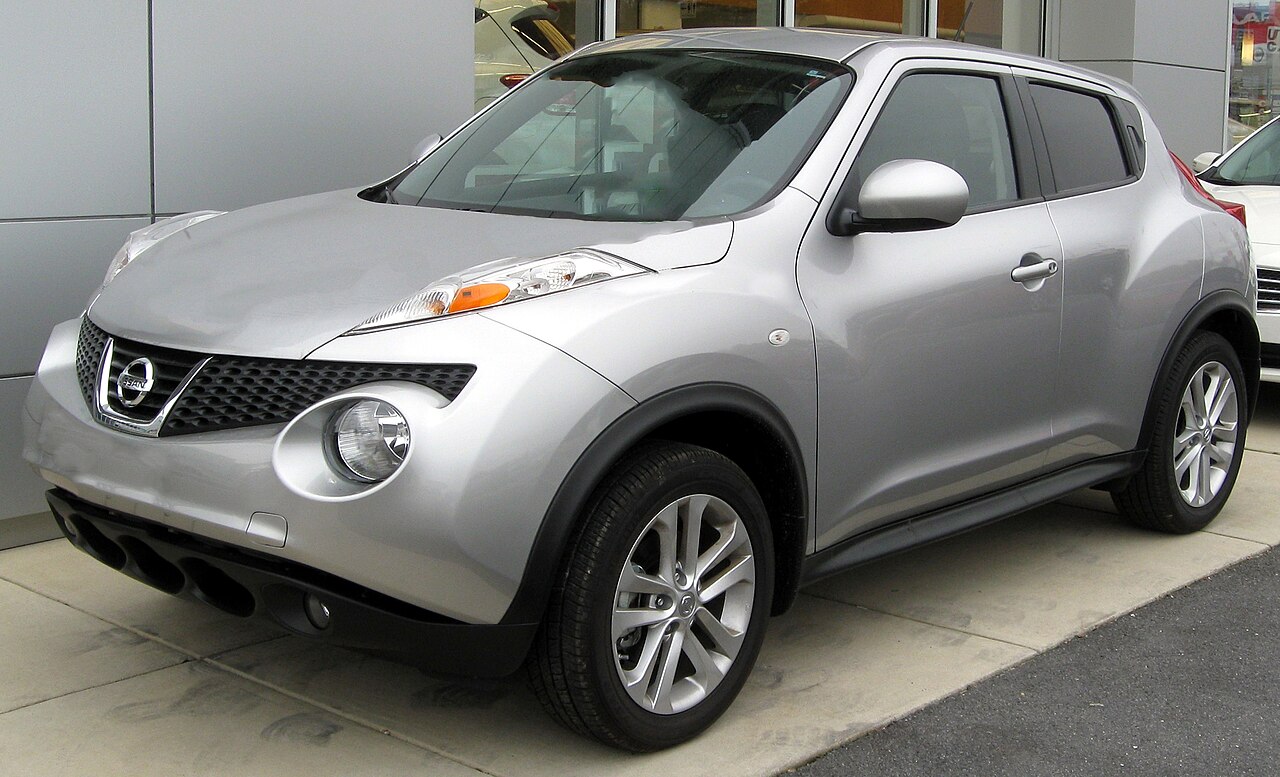
Devon Jukes with Nissan (Used)

2011 Nissan Juke SL -- 11-10-2011.jpg

Nissan is known for making bold vehicles like the Murano Convertible. No one was ever expecting Nissan to offer a 4X4 convertible, and that's what makes Nissan stand out from its rivals. The Juke is aimed at the Mini Countryman. It's small, cheeky and affordable. With that said, can its odd ball styling win over buyers?


Performance: There's only one engine available with the Juke, and that's a 1.6-liter turbocharged four-cylinder with 188hp. Although it may not seem like a lot of power, the Juke is a small vehicle. So its the only engine you'll ever need. It's torquey, and offers great flexibility.

Ride & Handling: The Juke's tall stance doesn't take away its agility. The go-kart like character will put a smile on your face. Stiff suspension keeps body movement firmly in check, while steering is eager and offers plenty of feedback. The price for such a taut feel is a hard ride, but the Juke stops short of being uncomfortable.

Refinement: The engine is smooth and pretty refined, you'll have to get used to a bit of turbo whine. Given the car's bluff front, there's not much wind noise. However, road noise is an issue.

Behind the wheel: The interior is inspired by the fuel tank of a motorbike. Many of the controls are clearly labelled and easy to use. The steering wheel doesn't adjust for reach, making the driving position for some drivers a bit uncomfortable. Rearward visibility is poor due to a small windscreen.

Space & Practicality: There's plenty of space up front, but rear passengers will feel cramped in the back. The slopping roofline means there really isn't much headroom for taller passengers. The rear door opening is narrow to climb through, and the boot is quite small. There are useful storage wells under the floor and the rear seats fold down flat.

Equipment: All Jukes come well equipped, even the base model comes with Bluetooth, keyless entry, air-conditioning, side curtian airbags and anti-lock brakes. You'll have to step up to the higher trims to get all-wheel-drive, keyless start and leather seats.

Buying & Owning: The Juke seems like a reasonable value. All but the base trim offers all-wheel-drive, the top of the range offers it as standard kit. Modest discounts are available, and resale values are expected to be strong. Fuel economy is decent too.

Quality & Reliability: There's no doubt the Juke is a distinct looking vehicle, but its a shame some of the plastics used in the interior are a bit cheap on feel. Still, there's little doubt that it will prove hardy. In the JD Power customer satisfaction survey, Nissan finished in the top half of the manufacturers' table.

Safety & Security: Remote central locking with anti-hijack feature is standard on every Juke. There's a long list of safety equipment such as ESP, six airbags and brake assist. The top of the range offers all-wheel-drive that splits torque between the front and rear wheels (and side to side) to help keep the car stable and reduce understeer when cornering.

The Juke is a distinct looking vehicle. Probably one of the most bold vehicles in Nissan's line-up. Headroom for rear passengers is limited, and the boot isn't very large. This all makes the Juke look a bit pointless, but then you'll be overlooking the actual point of the car. It's a small uban crossover that offers distinct styling, decent fuel economy and makes dealing with urban cities a breeze.

Likes: Turbo engine, fun to drive with excellent body control, well equipped - well priced, and distinct styling inside out.


Dislikes: Firm ride, slopping roof means limited space for rear passengers, poor rearward visbility, bold styling may not appeal to all.

Devon M

Sunday, November 12, 2017

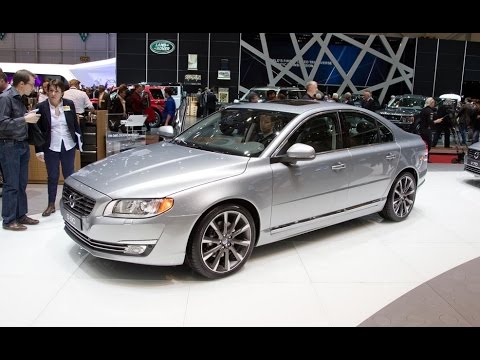
Devon test drives a Volvo S80 sedan (Used)

Image result for volvo s80 2017 no copyright image
The Volvo S80 may appeal to Volvo Fans, but the real challenge is can the S80 lure the Audi, BMW and Mercedes buyers away from their German Sedans?

The S80 offers two engines to pick from. The 2-liter turbocharged four-cylinder produces 240hp while the 3-liter turbocharged six-cylinder produces 300hp. Picking between the two is a mere matter of taste. Our money goes to the turbocharged six-cylinder. It's not that much more than the four-cylinder plus it offers standard all-wheel-drive which still manages to undercut all its German Rivals.

On the road the S80 offers secure handling. It isn't really as sharp to drive as a BMW 5-series but most won't ever push it to its limits. At least the cabin is classy and refined with very little wind and road noise. The ride however can be a bit firm over some bumps and poor road surfaces. It's far from being a deal breaker. Sadly steering is numb and lacks feedback that its German rivals have.

Volvo's floating dashboard has made its way into the S80 and it's classy. The infotainment system is simple and easy to use, all the controls are within reach of the drive'rs hand. The seats offer superb comfort with plenty of adjustments for all drivers of all sizes to get comfortable. There's plenty of space for five passengers with decent leg and headroom. The boot offers decent space too. Standard features include rain sensing windshield wipers, auto lights, power adjustable fronts seats and climate control. You'll have to step up to the T6 to get all-wheel-drive, navigation system and Xenon headlamps.

The S80 is much cheaper to buy than its German Rivals. Plus running costs are much lower too. However you'll be a little worried about resale value which isn't as strong as its German Rivals. Volvo is known for safety and you shouldn't have to worry too much with the S80. Stability control, anti-lock brakes and traction control are standard as well as curtian airbags. Anti-whiplash head restraints and anti-submarining seats are also standard. Security is just as good too with plenty of anti-theft aids to keep theft at away.

The S80 sedan is a classy offering that really does deserve a second look. It may not be as sharp to drive as a 5-series or hold its value as well. It's still cheaper to buy, offers more kit and is much more satisfying to own. We can't find any reason not to consider the S80.

Likes: Both engines are smooth and flexible. The standard kit list is pretty good for such a low asking price. It feels safe and secure on the road.

Dislikes: It's rather bland compared to German Rivals. Plus it doesn't hold its value well either.

Devon's Pick: T6 comes with all-wheel-drive and a smooth turbocharged six-cylinder. We have nothing agaisnt the four-cylinder which is just as smooth. But to get a 5-series with this type of horsepower and all-wheel-drive system you'll pay double the price. Plus the amount of kit really does pay for itself. What more can you ask for?

Saturday, November 11, 2017

Devon test drives a Volvo Crossover (Used)


Volvo has the classy XC90 under it's belt and that indeed is a good sport utility vehicle. So when Volvo released the XC60, they said that it was the safest Volvo ever. With our expectations set high, will the XC60 disappoint?

Performance: There are three engine choices to choose from. Base engine is a 3.2-liter six-cylinder producing 240hp, mid-range is a 3-liter turbocharged six-cylinder producing 300hp. While the top of the range trim gets the same turbocharged six-cylinder but is pumped up to 325hp. Pick of the range is the mid-range turbocharged six-cylinder engine. It makes the most sense overall, you get all-wheel-drive standard and the overall driving impression of the turbo engine is much more impressive than the base engine.

Ride & Handling: The Volvo XC60 has good body control and the overall ride comfort is very well balanced. The front wheel-drive base version felt lighter around town than the all-wheel-drive version, but the extra grip from the all-wheel-drive does come in handy on slippery surfaces. The top of the range trades comfort for a sharper steering and ride comfort, which results in a firm ride over bumps.

Refinement: The XC60 has very low levels of wind, suspension and road noise. While on the highway you'll be greated by a very smooth and comfortable ride if you stick with the lesser versions. Families will enjoy this for long journeys and those who want a comfortable luxury crossover won't be disappointed.

Behind the wheel: There's plenty of leg, head and elbow room for the front passengers. The seats are superbly supportive and offer plenty of adjustments for all to get comfortable. Most controls are located on Volvo's snazzy floating central instrumental panel, which looks cool but some of the buttons are small and can be a bit fiddly to operate.

Space & Practicality: The rear seat is elevated to give a good view of the road ahead. Headroom, legroom is also very good for three passengers. The boot is very nicely sized as well, which should appeal to those who need the extra space and small families that don't want to buy a minivan.

Equipment: All versions of the XC60 come well equipped. The base trim comes with daytime running lamps, auto dimming rearview mirror and rain sensing windshield wipers. You'll have to step up to the mid-range to get all-wheel-drive, leather interior and a panoramic sunroof. Top of the range adds a bit more flare with a unique body-kit, 20-inch alloy wheels and a uniquely crafted interior to match the exterior looks.

Buying & Owning: The XC60 isn't cheap to buy but you can get decent discounts. Resalve value should be strong as the XC60 has been fairly popular. Running costs depends on which verison you choose. If you get the base 3.2 without all-wheel-drive, its lighter and will burn less gas than the all-wheel-drive 3.2 and the turbo versions which only comes with all-wheel-drive.

Quality & Reliability: The XC60 has very high class quality and feel to the interior. Many of the bits and materials used feel and look sturdy and long lasting. Many of the mechanical bits have been borrowed from the rest of the Volvo range, and should prove to be reliable. Long term reliability of the mechanicals however is a bit of a worry.

Safety: The XC60 has scored five stars in crash tests and comes standard with a safety kit that is very extensive, just the way a Volvo should. Twin front and side airbags are standard with active head-restraints and Volvo's unique City Safety system which uses a sensor to apply the brakes at full force at speeds below 20mph to prevent low speed collisons. However, it won't recongize pedestrians and struggles with motorcycles.

If you're looking for a luxury crossover that's classy, stylish and will leave you with the sense of being safe. The Volvo XC60 is clearly the best choice. It's roomy for five passengers and even a small family that doesn't want a minivan or larger heavier 4x4. However, like all cars the Volvo XC60 isn't the most exciting to drive like a BMW X3 and doesn't have the classy interior like the Audi Q5. But if you're looking for a distinct crossover in its own right, the XC60 is the perfect crossover.

Likes: A fantastic crossover for small families, classy interior design. Smooth highway drive and punchy turbo engine choices.

Dislikes: Not as sharp to drive as an X3, base trim all-wheel-drive option pushes price close to mid-range trim. Leather seats aren't standard on base trim either.

Devon M

Wednesday, October 25, 2017

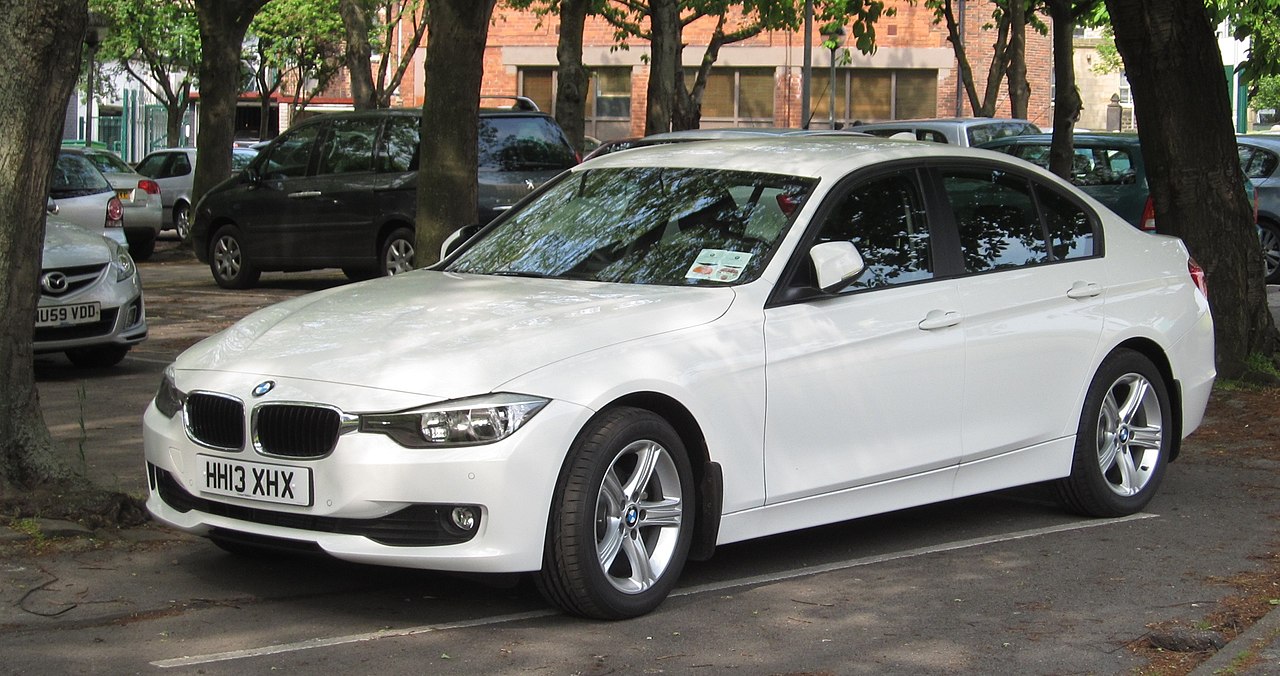
Devon test drives the new 320i sedan

BMW 316i (F30) registered May 2013 1598cc 02.JPG


If you considered a BMW 3-series in the past, most likely you were turned away because of the BMW price tag. The new 320i however knocks $3,000 off the price tag and a much less powerful turbocharged four-cylinder engine. This all sounds good on paper, but are you really buying a 320i because of the badge? Let’s find out.

Performance: The 320i comes with the same 2-liter turbocharged four-cylinder but only produces 180hp instead of 248hp. Most will think it’s too watered down, but in our opinion we found this engine to be quite enough. City and highway driving never felt underpowered and the overall impression of the engine itself is quite good. Fuel economy isn’t too much different than the 330i which is a little disappointing considering the decrease in horsepower.

Ride & Handling: The 320i rides and handles the way a BMW is supposed to. Sharp handling, precise steering and excellent body control. The all-wheel-drive version has oodles of grip, but the sweet spot is the rear-wheel-drive configuration. You can really kick the car into corners and it feels much lighter and more engaging to drive hard.

Refinement: Some wind noise will sneak into the cabin at highway speeds. This however can be drained out when you turn the radio on. Road noise and suspension noise are well suppressed. The turbo engine has an addicting turbo whirl that adds a bit to the overall sporty nature of the car.

Behinid the wheel: Drivers will be greeted with plenty of adjustments for the driver’s seat and steering wheel. The instrumental panel has a minimalistic approach in terms of how the controls are laid out. Most are hidden away in the standard iDrive system. BMW has vastly improved the interface and made it less fiddly than the previous version.

Space & Practicality: There is plenty of space for both front and rear passengers. Headroom and legroom are plenty. The boot offers a decent size too, although you’ll have to pay extra for split folding rear seats.

Equipment: The 320i comes well equipped considering that the price drop between it and the 330i. Automatic climate control, iDrive interface, and an eight-speed automatic are standard. You’ll have to pay extra for leather seats, xenon headlamps and a sunroof. Considering the amount of kit you get already, the only option that makes sense would be the Xenon headlamps. The cool corona ring day-time running lamps are definitely worth the extra money.

Buying & Owning: The 320i doesn’t really offer much of a fuel advantage over the 330i, which is disappointing because it would broaden the appeal. The price between the two trims isn’t that significant to really make this version of the 3 series a real bargain. Running costs should be decent if you keep a light food on the accelerator pedal, resale value should be strong as with all BMW Cars.

Reliability: The quality materials used inside the cabin are up to par with the price tag. Everything feels high quality and long lasting. Although some plastic around the glove compartment look rather cheap, reliability is reasonable for the 3 series.

Safety: Front and side curtain airbags are standard as well as knee airbags for front passengers. Adaptive brake lights, anti-lock brakes with traction control and electronic stability program should help aid in traction. An engine immobilizer and anti-theft deterrent keeps theft at bay, an anti-theft alarm is optional.

The 320i is the cheapest way into the 3-series line-up. It may skip a few of the desirable features that you’d want, but for the price and what it offers it’s quite enough. However, like all cars there are downsides. The fuel economy benefits aren’t significant compared to the 330i. Some may view it as a watered down 3-series, while others will say there are rivals that offer much more for this price. If you like the BMW badge but couldn’t afford a 330i, this maybe your new way in. Otherwise we’d say go with the 330i.

Likes: Attractive starting price should lure new buyers. Sharp steering and handling, turbo engine is smooth and doesn’t feel underpowered. Halogen headlights are weak.

Dislikes: Some will see it as a watered down 3-series. No fuel economy benefit compared to the 330i which has 68 more horsepower. Add on the options and this entry-level is about as expensive as the 330i.