We hype up our favorite bands; We critique on sports and cars; We opine about pop culture. On occasion, will do some creative writing. This is PATHOLOGICAL HATE. Follow us on Twitter: @pathological_h8
Showing posts with label GTI. Show all posts
Thursday, January 26, 2023
Volkswagen VR6
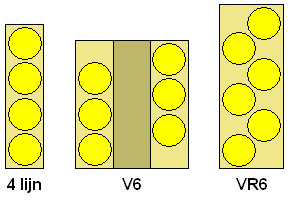
VR6 engines are V6 piston engines with a narrow angle between the cylinder banks and a single cylinder head covering both banks of cylinders.
Volkswagen Group introduced the first VR6 engine in 1991 and VR6 engines currently remain in production. From 1997 to 2006, Volkswagen also produced a five-cylinder VR5 engine based on the VR6.
The name VR6 comes from the German initials for a V engine (German: V-Motor) and a straight (inline) engine (German: Reihenmotor), therefore the VR engine is described as a "Vee-Inline engine" (VR-Motor).
VR6 engines share a common cylinder head for the two banks of cylinders. Only two camshafts are needed for the engine, regardless of whether the engine has two or four valves per cylinder. This simplifies engine construction and reduces costs.
Since the cylinders are not located on the centreline of the combined cylinder head, the lengths of the intake and exhaust ports are different for each bank. Without compensation, these varying port lengths would result in the two banks of cylinders producing different amounts of power at a particular engine RPM. The difference in port lengths are compensated for with the length of the runners in the intake manifold, the camshaft overlap and lift profile, or a combination thereof.
The Volkswagen VR6 engine was designed for transverse engine installations in front-wheel drive vehicles. The narrow angle of 15° between the two cylinder banks reduced the width of the engine, compared to a traditional V6 engine. Therefore, the VR6 engine is easier to fit within an engine bay that was originally designed for a four-cylinder engine.
Early VR6 engines had two valves per cylinder (for a total of twelve valves) and used one camshaft for the intake and exhaust valves of each cylinder bank (without the use of rockers).
The first Volkswagen VR6 engine uses the AAA version. It had a bore of 81.0 mm (3.19 in) and a stroke of 90.3 millimetres (3.56 in), for a total displacement of 2.8 L (171 cu in). In 1994, a 2.9 L (177 cu in) ABV version was introduced in some European countries, with an increased bore of 82.0 mm (3.23 in).
The V angle between the cylinder banks is 15°, and the compression ratio is 10:1. The crankshaft runs in seven main bearings and the journals are offset 22° to one another, in order to accommodate the offset cylinder placement. This also allows the use of a 120° firing interval between cylinders. The firing order is: 1, 5, 3, 6, 2, 4. The centerline of the cylinders are offset from the centerline of the crankshaft by 12.5 mm (0.49 in).
The valve sizes are 39.0 mm (1.54 in) for the intake and 34.3 mm (1.35 in) for the exhaust. Since the two 'rows' of pistons and cylinders share a single cylinder head and head gasket, the piston crown (or top surface) is tilted. The engine management system is Bosch Motronic.
A version with four valves per cylinder (for a total of 24 valves) was introduced in 1999. The 24-valve versions use one camshaft for the intake valves of both banks (using rockers to reach the furthest bank) and the other camshaft for the exhaust valves of both banks (again, through the use of rockers). This operating principle is more akin to a double overhead camshaft (DOHC) design, with one camshaft for intake valves, and one for exhaust valves.
The 1922-1976 Lancia V4 engine was the first narrow angle V engine to be used in a motor vehicle.
The first versions of the VR6 engine were introduced in the 1991 Volkswagen Passat B3 sedan and Volkswagen Corrado coupe. A 2.8 L (171 cu in) AAA version producing 128 kW (172 hp) was used in most Passat models and in the North American version of the Corrado. A 2.9 L (177 cu in) ABV version producing 140 kW (188 hp) was used in the Passat Syncro model and the European version of the Corrado. Both versions used 2 valves per cylinder. Usage of the VR6 engine spread to the Volkswagen Golf Mk3 2.8 VR6 and Volkswagen Vento/Jetta (A3) 2.8 VR6 models in 1992. The 2.8 litre version was also used in the 1996-2003 Mercedes-Benz Vito (W638) commercial vans, where it was designated as 'M104.900'.
In 1997, the VR5 engine was introduced, based on the VR6 engine.
An AQP/AUE version with 4 valves per cylinder was introduced in 2000. This 2.8 L (171 cu in) engine produced 150 kW (201 hp), and mostly replaced the 2 valve engines, except for in North America where an updated version of the 2 valve engine was used in the Golf and Jetta from 2000 to 2002.
A 3.2 L (195 cu in) EA390 version of the 4 valve engine was introduced in the 2001 Volkswagen New Beetle RSi model. This 3.2 litre engine was also used in the 2002-2004 Volkswagen Golf Mk4 R32 model and the 2003-2010 Audi TT 3.2 VR6 quattro models. Peak power output was 177 kW (237 hp) in the New Beetle and Golf (engine code BFH/BML), and 184 kW (247 hp) in the Audi TT (engine code BHE).
The engine size was again increased in 2005, when a 3.6 L (220 cu in) version with gasoline direct injection (FSI) was introduced in the Volkswagen Passat (B6). This BLV version uses a narrower 10.6 degree angle between the cylinder banks and produces 206 kW (276 hp). A 3.2 L (195 cu in) AXZ version producing 184 kW (247 hp) was introduced in 2006.[11] In 2008, an uprated BWS version of the 3.6 litre engine producing 220 kW (295 hp) was introduced in the Volkswagen Passat (B6) R36 model.
The base model Porsche Cayenne (9PA) used 3.2-liter VR6 engine from 2003 to 2006 and then a 3.6-litre VR6 engine from 2008 to 2010. Then the next generation Porsche Cayenne (92A) also used a 3.6-litre VR6 engine from 2010 to 2018.
Volkswagen had started to phase out VR engines in favour of downsized turbocharged engines, however the VR6 currently remains in production for the Volkswagen Passat (NMS) sedan models sold in China. In 2017, the VR6 engines made an unexpected comeback, with versions of the 24-valve VR6 engines being produced for the Volkswagen Atlas. Volkswagen also made brand new VR6 (still EA390) for Chinese market only, it's 2,5Litre Turbocharged 24v VR6 220 kW (295 hp) and 500 nm of torque for Volkswagen Teramont SUV and new Volkswagen Talagon MPV
Labels:
15-degree V-shaped,
Golf,
golf r,
GTI,
Jetta,
Passat,
Porsche Cayenne,
six-cylinder,
Volkswagen,
VR6
Monday, May 7, 2018
Devon Test Drives a Volkwagen Tiguan (used)
Ride and Handling: The Tiguan is the most fun to drive crossover in its class. The sports suspension in our tester car has a firm ride. It can be a bit jittery over some surfaces. The trade-off is well controlled body roll, and responsive handling with lots of grip.
Refinement: The interior is quiet, something you'd expect from a Volkswagen. At highway speeds the engine is barely heard. There's little road noise, but some wind noise can be heard when picking up speed. You'll barely hear a peep out of the suspension.
Behind the wheel: The Tiguan feels very similar to the Golf. All the controls and dials are in easy reach from the driver's seat. The steering wheel adjusts for reach and height. Anyone can get comfortable behind the wheel. The dashboard layout is neat and logical, but feels a bit dull in the more basic trim.
Space & Practicality: The rear seats fold with ease, as well as slide forwards and backwards for more legroom or more cargo space. You won't be able to have both. The rear seats are roomy for four people, adding a fifth person is pushing it.
Equipment: Every Tiguan comes well equipped, depending upon how much money you're willing to dish out. Top trim levels come with rain sensing windshield wipers, Xenon Headlamps and climate control. All-wheel-drive is offered on all but the base trim level, but it comes at a hefty asking price.
Buying and owning: The base Tiguan is priced aggressively with its rivals. However, the Tiguan loses points for the high asking price of its all-wheel-drive. Fuel economy is average and running costs are low. If you stay away from the options lists, you can get a nicely equipped Tiguan well worth the money. All the extra features just make the Tiguan seem overpriced. You're investments will be secured, as Volkwagen have high resale value.
Quality & Reliability: Volkswagen is known for quality and Germanic build quality. The Tiguan's interior won't win any prizes, but the materials used look and feel long lasting. Most mechanicals have been tried and tested, so there should be no fear of major problems. However, owners have rated the car's reliability as average in JD Power Survey.
Safety & Security: ESP, emergency brake assist and six airbags are standard. The high seating position and all-wheel-drive will be seen as a safety advantage. Although some maybe put off by its high asking price. Deadlocks and an alarm are fitted to guard against theft.
Likes: Logical interior design, smooth turbo engine and transmission, a sophisticated option among small crossover vehicles, more fun to drive than its rivals.
Dislikes: Plain Jane looks, interior on basic models look cheap, price can skyrocket with options, more horsepower please! Trims with sports suspension suffer from a firm ride.
Overall: The Tiguan offers better on-road dynamics and has a turbo engine that makes it more fun to drive than rivals. If you're in the market for something a little upscale in terms of looks and feel. The Volkswagen wont' disappoint. However, there are rivals that offer the same tricks for far less money and should be considered before buying a Tiguan.
Devon M
Wednesday, January 10, 2018
Quick-take 2018-2019
We sit in and preview some new options coming for 2018. New car road tests are coming soon.
BMW X2
Likes: It's a much sleeker looking version of the X1.
Dislikes: It's pretty pointless compared to the X1 and can get as expensive as the X3.
Overall: It's a pretty pointless and pricey way to be different.
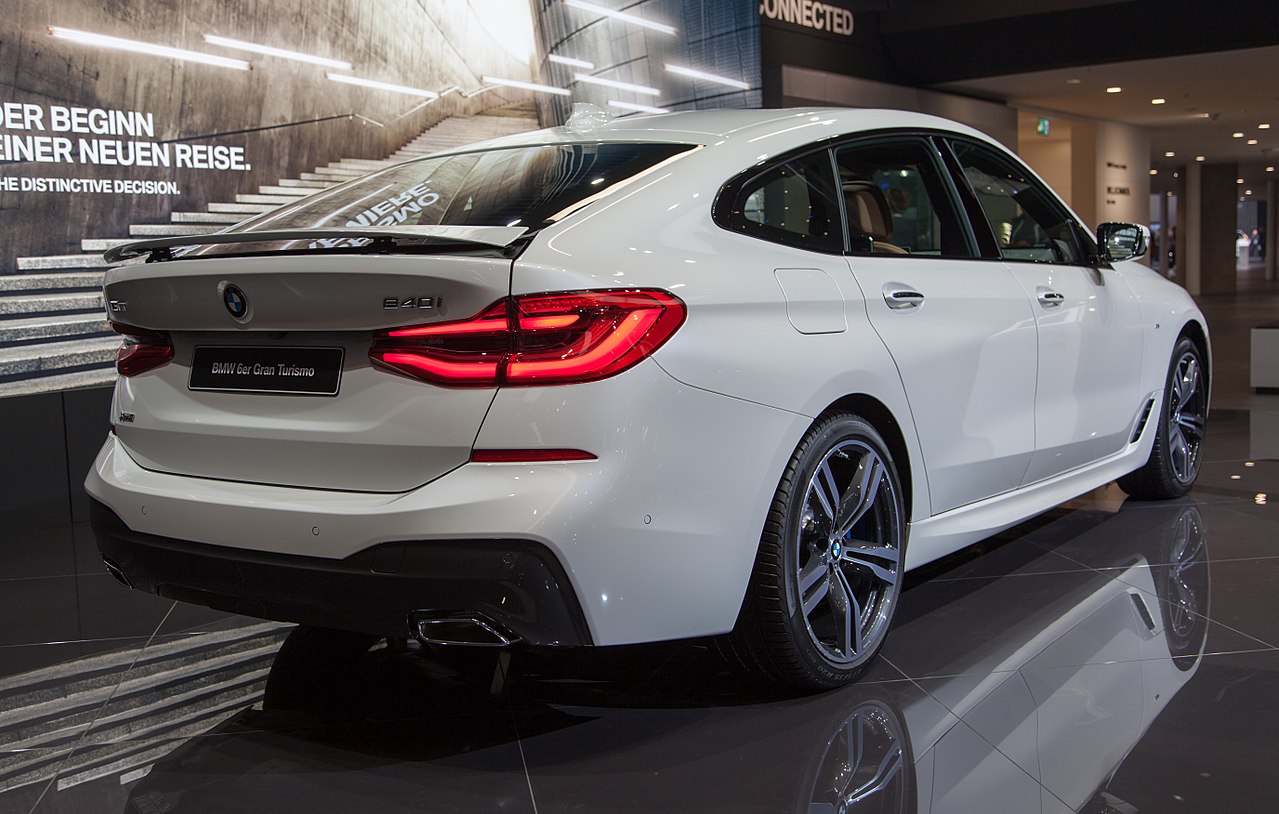
BMW 6-series GT
Likes: It's much sleeker looking than the outgoing 5-series GT. The turbocharged six-cylinder is silky smooth and the interior is exquisite to say the least.
Dislikes: The rear spoiler is gimmicky.
Overall: Proof that Saab was ahead of its time.
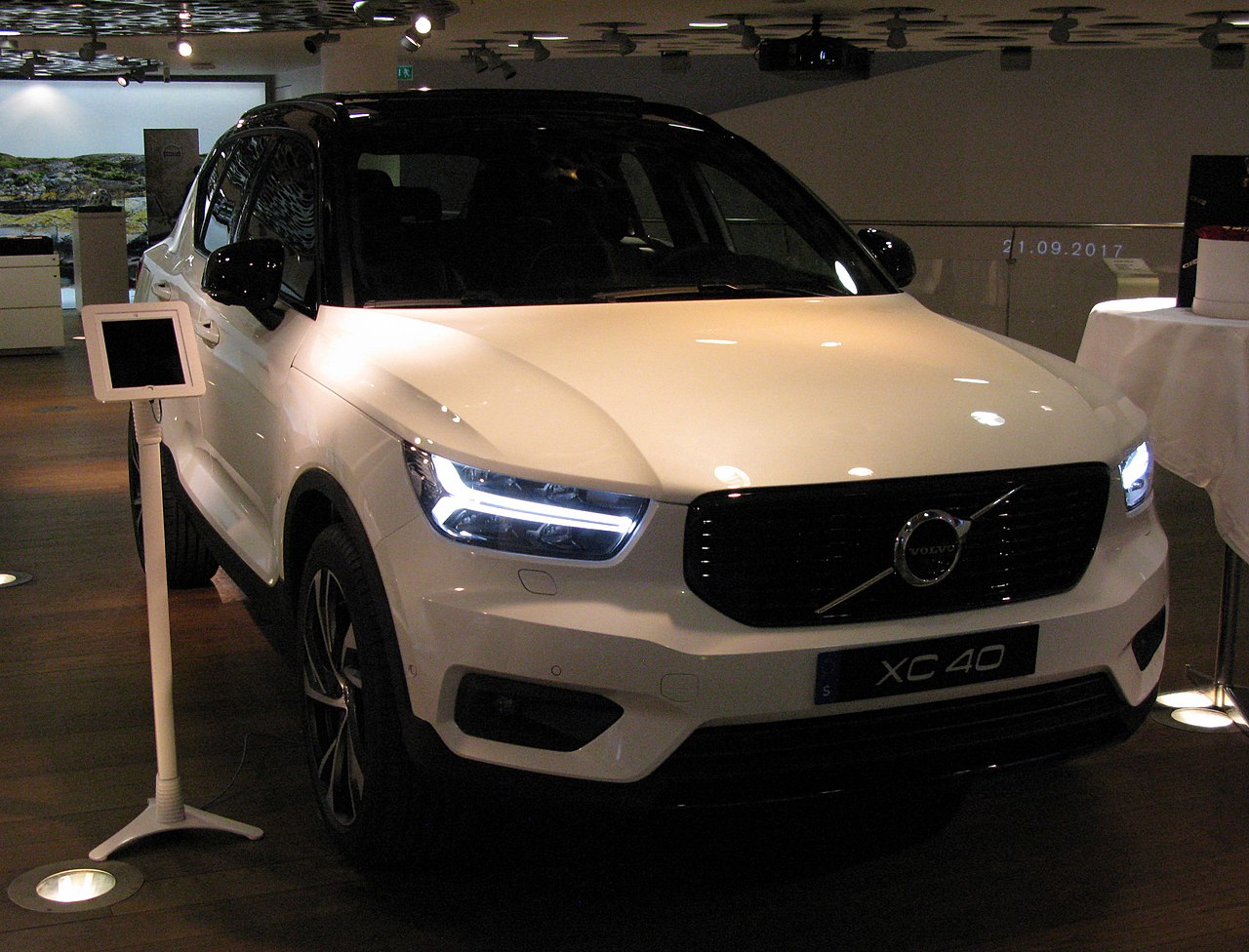
Volvo XC40
Likes: (In our opinion) this is the most stylish crossover in the segment. Typical Volvo interior quality (excellent) and versatility.
Dislikes: Long-term reliability is questionable.
Overall: Volvo is on the right path and we are loving what we are seeing.
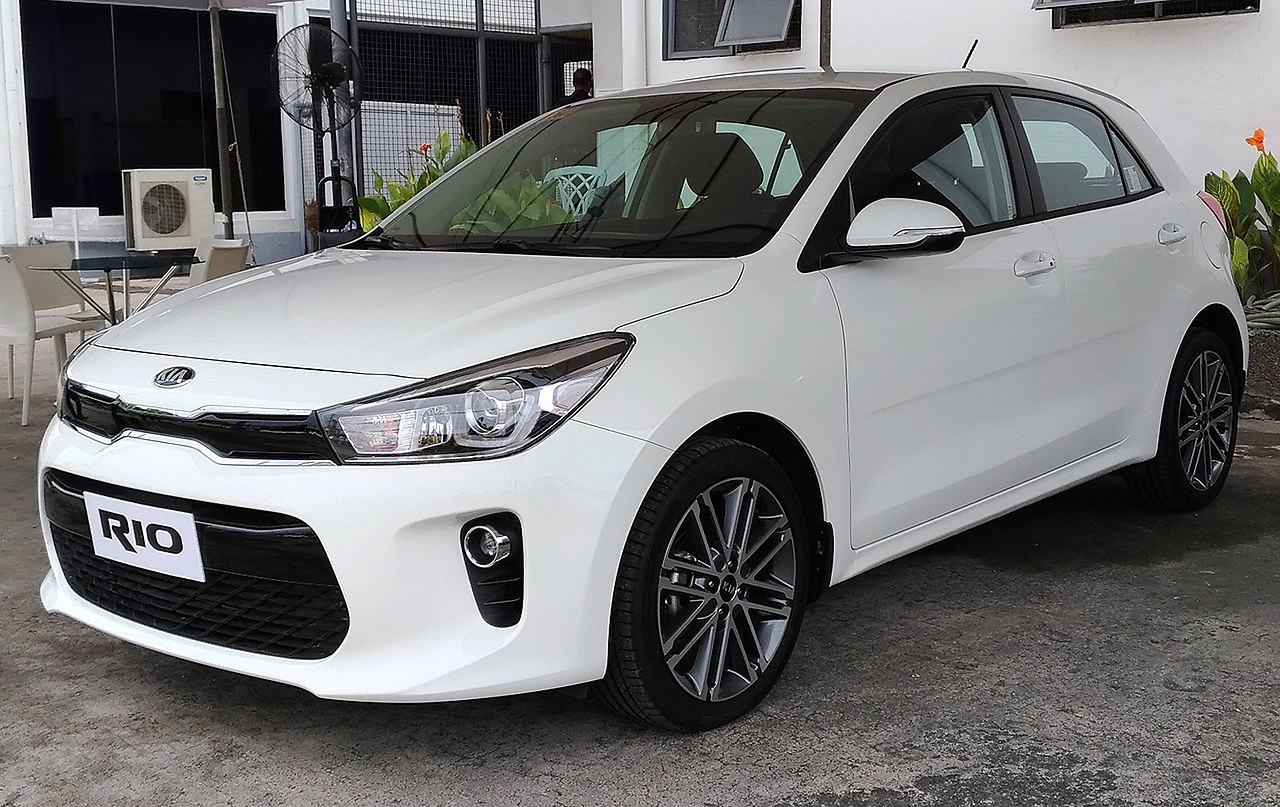
Kia Rio 5-door
Likes: It's surprisingly sophisticated and grownup feeling. The engine has lower running costs and more torque at low revs.
Dislikes: Euro-spec Rios get the fancier headlights and auto-folding exterior mirrors.
Overall: A much needed update in a segment that we well-respect.
Jaguar E-pace
Likes: The F-pace styling translates well in a smaller package. It's roomy for five with a decent sized boot.
Dislikes: The interior and infotainment screen is still meh.
Overall: It'll sell like hot cakes for style and affordability alone.
Tesla Model 3
Likes: The most affordable Tesla of the range. It's roomy inside with plenty of charm in the looks and overall driving feel.
Dislikes: The cheapest Model 3 has a disappointing interior. Tesla wants you to add on the options which could push the price near $50k.
Overall: You can buy a Model S and Model X now but you'll have to pay more money for them.
Volkswagen Golf/ GTI/ Golf Sportwagen/ Alltrack/ eGolf
Likes: The new LED headlights look snazzy. The digital display looks amazing and is seamless to operate.
Dislikes: Euro Golf R gets 310hp and GTI gets optional 230hp.
Overall: When does the 2018 Golf/ GTI/ Golf Sportwagen/ Alltrack/ eGolf go on-sale? We've only been told it's coming soon, but that was October 2017.
Porsche Cayenne
Likes: It's lighter and more powerful than previous generation. The interior is drastically improved as well.
Dislikes: Porsche is typically stingy on standard kit and tad on the expensive side.
Overall: The most driver oriented SUV you can buy.
Mini Countryman Plug-in Hybrid
Likes: A quirky way to save a few buck in running costs. It's still fun to drive the way a Mini should be.
Dislikes: Electric-only range is quite limited. You'll have to do tons of driving to make up the premium over the Cooper and Cooper S.
Overall: Plug-in hybrids are slowly becoming the norm and hopefully they are fun as this.
Mitsubishi Eclipse-Cross
Likes: The standard kit is generous. The infotainment screen and overall quality of the interior seems to be pretty good.
Dislikes: Overall styling fe11 on mixed opinion.
Overall: This may well be the last 'real' Mitsubishi. We were hoping for more razzle dazzle considering the number of talented options out there.
Subscribe to:
Posts (Atom)