What's On

Showing posts with label Sport. Show all posts

Friday, January 27, 2023

Devon test drives a Jeep Compass (Used)

Jeep Compass -- 03-21-2012 2.JPG

The one star rating is all you need to know. Look elsewhere!
Performance: Two engines are available with the Compass. Standard 2-liter four-cylinder producing 158hp is best had with a manual gearbox because you’ll really need to work this engine hard. The 2.4-liter four-cylinder producing 172hp is optional but well worth paying extra for. It feels much more up for the job. Even with all-wheel-drive optioned it still doesn’t feel as sluggish as the 2-liter with just front-wheel-drive.
On the road: We haven’t had the chance to take the all-wheel-drive Compass on any off-road terrain. But we were bitterly disappointed with its on road dynamics. The car leans too much into corners and bends and the ride comfort is just too fidgety and unsettled. The 2-liter engine sounds coarse when pushed hard while the 2.4 feels more relaxed at highway speeds. Wind and road noise will be unwelcomed companions on the highway.
Behind the wheel: The elevated driving position is great but we wish the steering wheel adjust for reach instead of height only. Some drivers will struggle to get comfortable. Over the shoulder visibility isn’t great either thanks to thick side pillars. The optional touch-screen infotainment system can be a bit fiddly to operate on the move. There’s plenty of space for four-passengers in the cabin and the boot isn’t massive but it has plenty of handy storage to compensate.
Equipment: Sport trim offers a five-speed manual gearbox, air-con, cd-player and alloy wheels. Latitude trim adds color matched exterior rearview mirrors, sport mesh seats and upgraded sport seats. Top of the range Limited adds projector headlamps, fog lights and a rear back up camera.
Buying & Owning: The Jeep Compass is aimed to undercut cars like the Mitsubishi Outlander Sport, Mazda CX-5 and Volkswagen Tiguan. But we think that you’re better off picking one of those than the Compass. Even if the purchase price is lower, resale value isn’t all that great and running costs are a mere average compared to its rivals and that’s just not good enough reason to want to buy one other than the badge.
Quality & Safety: The cabin doesn’t really feel classy and the plastics used feel cheap. We aren’t sure about reliability either because Jeep has scored low in that department. Six airbags come standard with stability control, anti-lock brakes and all-wheel-drive optional to help keep things under control. Compared to its rivals the Compass scored much lower in crash safety. A engine immobilizer and alarm system keep theft at bay.
If you have to have a Jeep the Cherokee is worth paying the premium for. Even its rivals are worth paying the extra for.
Likes: It's a cheap Jeep with an okay amount of kit standard.
Dislikes: Other than its cheap price, this Jeep is utterly disappointing in everything else.

Thursday, January 26, 2023

A compact crossover with 'zoom-zoom' appeal (used)


2016 Mazda CX-3 Sport Automatic 2.0.jpg


The compact crossover segment is booming, and the number of offerings is staggering. Safe to say however, the Mazda CX3 is the more fun to drive of the bunch. But it does come with a few compromises.

The sole engine powering the CX3 is a 2-liter four-cylinder pumping out a hearty 146hp. It doesn’t feel out of its depth around town and certainly does have a fun loving character about it when you do venture onto the highway. It feels quicker than some of its keen rivals and while some offer turbocharged engines, the CX3 never feels dull to drive. Steering feedback is communicative and the suspension is set towards agility which in return makes the CX3 feel more of a doddle to drive around town and on twisty narrow roads. However, that fantastic handling does come at a cost. The ride comfort is a tad too firm for our tastes but you’ll forgive the CX3 as the fun to drive nature is there and it makes you forget immediately that this is a compact crossover. It’s more like a Mazda 3 hatch on stilts.

It’s quite easy to drive the CX3 around town. The steering like we said before weighs up nicely where it matters the most. Visibility all-round is pretty good too, but the rear windscreen can be tricky to see out of in certain driving scenarios. The driving position is spot on good, you can see all the corners of the vehicle and it shouldn’t be too hard to park it either, thanks to its dinky dimensions. The whole appeal of the compact crossover is to be able to see over the traffic ahead and feel like you’re in charge of the road. You won’t really get that feeling in the CX3, but it certainly is more comfortable than many of its keen rivals when it comes to driving it as a daily commuter car.

The interior of the CX3 is class-leading. The controls and dials don’t feel fiddly to use and the overall fit and finish is top-notch. The front seats offers plenty of comfort and adjustability, however those in the second row may feel a little shortchanged on legroom. The boot space isn’t class leading either, but then again many rivals are in the same ball park so we can’t really gripe about that too much.

Standard Sport trim gets 16-inch alloy wheels, Bluetooth connectivity for mobile device, auto-off halogen headlights and a 7-inch full-color touch screen display. You’ll have to step up to the Touring Trim to get automatic climate control, rearview parking camera and 18-inch alloy wheels. Top of the range Grand Touring adds LED headlights, LED tail lights and Bose audio system. Our tester car was the top of the range Grand Touring which had all the bells and whistles standard. We certainly wouldn’t pay this much for one as the price tag crept rather close to $33k. We’d go for the mid-range Touring Trim which offers decent amount of kit for the money without being overly pricey.

The CX3 is stylish, easy to live with and has low running costs to match. You’d think that you’ve hit the trifecta when it comes to a compact crossover. However, the rear seat is a tad cramped for legroom and the boot space isn’t all that generous. If you can ignore these few little faults the CX3 is the perfect crossover in a sea of options out there. It’s worthy of the shortlist.

Likes: It’s the most driver focused of its segment. The CX3 is easy to live with and has low running costs with an attractive starting price.

Dislikes: We would list them but they’re just nitpicks.

Our pick: Go right for the Sport or Touring trims. You won’t regret either of them, if you can pocket the extra money opt for the all-wheel-drive system.

Thursday, January 12, 2023

We find an 'Explorer' from Ford with no 'Expedition' (used)


Image result for 2017 ford explorer no copyright photo
America’s bestselling crossover certainly isn’t the Dodge Durango or Chevy Tahoe. It’s the Ford Explorer and well it’s both the best and worse choice. Here’s why:

The standard 3.5-liter six-cylinder will serve most buyers well. The engine itself isn’t a bad choice but wouldn’t be our first choice if we were considering an Explorer. We would choose one of the fantastic Ecoboost turbo engines. You can choose between two of them, there’s a 2.3-liter turbo and a 3.5-liter turbo. The 2.3 turbo engine makes more sense because it has more torque at low revs and doesn’t feel like it is out of its depth when lugging the Explorer around town and on the highway. The top of the range 3.5 turbo certainly does the job well and is our favorite of the engine range. There’s plenty of torque at low revs and when you kick it into high gear it goes like stink. We had the opportunity to test drive the Explorer Sport which came with that 3.5 turbo engine so we decided to test the 2.3 Ecoboost four-cylinder in XLT trim.

Here’s the run down about this four-cylinder engine. We love how smooth and responsive it is when needed the most and it doesn’t leave you high and dry at higher revs, however what made us question the four-cylinder is the running costs. The 3.5 non-turbo has similar running costs and has 10hp more, but way less torque at low revs. Secondly, the fact that you’ll have to use premium fuel really does lose a lot of appeal with this engine because the only other engine that requires premium is the 3.5 turbo and that one is well justified. You could use regular fuel on this engine but you will hurt fuel economy and the engine won’t perform the way it should when using premium so we highly recommend sticking with premium to get the best out of this engine. It certainly is more refined that we anticipated, especially when driving on the highway at relaxed speeds or just scooting around town.  Steering feedback is where it should be; it’s not overly heavy and does leave a lot to be desired at higher speeds. The suspension does cope with bumps and rough surfaces well; however the only complaint is that at highway speeds you could see the hood shake slightly.

The interior of the Explorer is very roomy for seven people. We weren’t able to test out all three rows of seats but we did test them individually and found there is ample space across the board. Passengers in the third row may feel a little shortchanged on legroom and some headroom, but there are vents to help it feel less claustrophobic as well as large windows helps keep the cabin from feeling gloomy. The infotainment screen is downright tiny compared to the one that you can get with the more expensive trims and while it is pretty easy to navigate through, the button happy dashboard made things feel a little too distracting especially while on the go. We strongly suggest learning where everything as it gets simpler the more you fiddle around with it. The quality of the dash is iffy at best with some of the best touching materials left for the expensive trim levels and the iffy feeling plastics being used here. It does feel long lasting but for a car with a price tag near $40k we were expecting more. The boot space is decent with all three rows in place. You can fold all two rows down and have yourself a cargo van in space. The only other vehicle that can best the Explorer when it comes to an enormous boot is the Chevy Suburban which is alpha of cargo space.

Our tester car came fitted with LED headlights, push button ignition switch; reverse sensing system and Ford SYNC system with Bluetooth connectivity. Optional equipment included the 2.3 Ecoboost four-cylinder engine and all-wheel-drive. Our tester car didn’t have the optional leather seats, dual-zone climate control or power-folding exterior mirrors. So we were even more confused as to why a crossover with this price tag felt so sparsely equipped. We would’ve liked to see a power tailgate thrown in if you’re going to pay this kind of money for an Explorer.

The Explorer is a popular crossover for those who need seven-seats or just like the way it looks in general. It is a stylish crossover with a good range of engines to choose from, however what we loathe the most about the Explorer is the build quality in general is pretty iffy and well a car that’s near $40k has a tiny infotainment screen and felt very sparsely kitted. You can’t go wrong with this crossover but you can if you don’t pay the premium for one of the nicer ones.

Likes: The turbo engines and even non-turbo engine have strong pull to them and decent running costs. The interior is roomy for seven people and yet it is easy to live with.

Dislikes: The build quality in general is very iffy. The 2.3 Ecoboost engine sounds good on paper but in real life it has some short comings that makes the 3.5 non-turbo a better choice. The more expensive versions feel the most desirable.

Our pick: Go with the Explorer Sport. It feels like the better choice. We love the performance and the running costs aren’t wildly insane. If you can’t muster up the cash for the Sport, go for one of the XLT but skip the 2.3 Ecoboost engine option as it just doesn’t feel worth the premium unless you’re okay with using premium fuel.

Pathological test drives a Hyundai Elantra (Used)

Hyundai Elantra SE 2.0 (VI) – Frontansicht, 2. Oktober 2016, New York.jpg

The compact sedan segment is flooded with options to choose from. Which kind of sucks considering that hatchbacks and wagons are far superior in both style and versatility. But for those who prefer the three-box design, the Hyundai Elantra maybe one of those options worth looking further into. If a Toyota Corolla doesn’t tickle your fancy.

The Elantra offers three engine options; the standard 2-liter four-cylinder offers decent flexibility and will be the engine that mainstream Elantras come equipped with. Eco models get a 1.4 turbocharged four-cylinder. It doesn’t have as much horsepower as the 2-liter but it makes up for that with 156lb-ft torque available at a low 1400rpm for more flexibility around town and on the highway. Plus this engine running costs are much lower than the 2-liter. Those who want a bit more sport will find the 1.6 turbo engine offers plenty of get up and go punch. It’s odd that this engine isn’t offered in the Limited trim as well, considering that the Limited trim is the most expensive of the range.

The Elantra we had as a tester for majority of the review was the Eco model which was the most impressive of the range. It didn’t feel sluggish at all and the engine’s high torque means that acceleration is pretty peppy considering a 128hp vs 147hp deficit. Handling is more on the neutral side and steering is almost as if it just lost all communication from the front wheels. There’s almost no feedback when desired and doesn’t really encourage you to drive enthusiastically, which sucks even more because the Sport trim begs for a firmer suspension and better steering.  Refinement is actually quite good, there’s almost no wind and road noise to complain of. The seven-speed automatic in our tester car isn’t all that great but it really isn’t a deal breaker either.

One thing that I loathe about sedans is that they are very awkwardly designed and it makes parking such a chore. The Elantra however isn’t really the case here. It’s compact size makes parking pretty easy, with visibility being quite good. The front seats aren’t all that comfortable though and the infotainment system can be a little fussy at times, but it’s not all bad news. The rear seat does offer decent space for three and the boot space is generous too, but the old fashioned trunk hinges does eat into cargo space. Interior materials used are good and overall feel of the plastics used aren’t completely rubbish, but they aren’t the best either.

SE trim comes standard with Driver’s Blind spot mirror, remote keyless entry with alarm and driver’s knee airbag. Value Edition adds dual-zone climate control, heated front seats, auto-dimming rear-view mirror and hands-free smart trunk. Eco trim adds a 7-speed automatic, automatic headlight control, rearview parking camera and push button ignition switch. Sport adds LED taillights, sport front seats with leather seating surfaces and sporty exterior styling. Limited trim gets LED daytime running lamps, dual charging USB ports, Android/Apple CarPlay integration, blind spot detection and 7-inch infotainment display.

The Elantra does offer good value for the money. It may not be as sharp to drive as the Mazda 3 or as roomy as a Volkswagen Jetta. But for the money you are getting a pretty good vehicle overall, we just wish the Sport trim had better steering feedback and the Limited Trim came with the 1.6 turbo also. The Elantra however is worthy of your short list if a small sedan is a must.

Likes: Great value for the money, Eco trim has lowest running costs. It’s hard to fault it.

Dislikes: Resale value is still iffy. Limited trim hard to justify with no turbo engine, and when you compare it to the Value Edition it makes even less sense. Steering feedback could be better.

Devon’s Pick: We’d choose the Eco model because it’s decently priced, offers low running costs and seems like the better deal. However, the Value Edition is also worth considering too if you can’t justify the Limited trim. 

Tuesday, September 25, 2018

Pathological tries out a Compass from Jeep


Image result for 2017 jeep compass no copyright photo
The previous generation of the Jeep Compass was an absolute joke that had no one laughing. It literally was one of the worse crossovers you could opt for, but with deep discounts it kept it a favorite among rental car lots and budget buyers. The new Compass however Jeep is hoping to change things but has it done enough?

 You only get the choice of a 2.4-liter four-cylinder pumping out 180hp. You can opt for a six-speed manual gearbox but that only comes with the entry-level Sport and Latitude Trim levels. Our tester car was the top of the range Limited which came with a nine-speed auto gearbox. It came with mixed reviews as many felt that it was just way too many gears for the amount of horsepower the engine produced, while others thought that the engine and trans pairing was more ‘okay’ and just not that refined. Driving around town the Compass did feel very comfortable and easy to maneuver around, while on the highway you’ll wish you had fewer gears as the engine often gets lost in all the gears. The engine is flexible when up to speed and doesn’t really make too much of a racket while at cruising speeds. The engine stop/start technology isn’t as smooth as it could be but it does a decent job and you can deactivate it if you find it annoying.

The front seats are comfortable and offer plenty of support and adjustability, while those in the second row won’t have anything to complain about as it is decent in space. The boot space is also generous too but it isn’t class leading. The infotainment system is easy to use and simple in operation, but the several menus can get quite distracting while on the go. The one area that we wish that FCA would improve on is the interior quality. It just doesn’t seem up to snuff with the rest of the competition. It’s great that Jeep has improved interior quality and also improved the Compass dynamically, but it still isn’t as great as it could be.

Our tester car (Limited) came with a sunroof, heated leather seats, navigation system with back-up camera. 4x4 system, dual-zone climate control, HID headlights and a security group package. It’s really hard trying to justify this version of the Compass as it is close to $40k and well for that amount of money there are some real heavy hitters that will give the Compass a run for its money in quality and refinement.

We enjoyed our short time with the Compass and found it to be light years better than the outgoing model. However, the nine-speed auto gearbox isn’t refined and FCA reliability record hasn’t been great. If you want the most capable compact crossover of the lot than this is your best bet, however you can buy a Subaru XV and it’s just as capable. It may not have the flexible engine but the running costs are lower and the refinement is much better.

Likes: Light years better than the previous generation, Trailhawk version has the most off-road prowl.

Dislike: Refinement of the transmission and build quality needs to be improved; otherwise this fresh new design is just a coat of primer.

Our pick: Ditch the Sport and go right for the Latitude. You get plenty of kit standard and the price isn’t too expensive like the Limited. The Trailhawk is the option for those who are going to do off-roading in this, but at the price point. You minus well consider a Subaru XV which is similarly priced, more refined and more reliable.

Thursday, September 20, 2018

Top pick: Mazda CX-9


2016 Mazda CX-9 (TC MY16) Azami 2WD wagon (27793959746).jpg


You’d be pretty daft to think that Mazda isn’t capable of making a great seven-seat crossover. The proof is in the CX-9 which in our opinion is one of the best options out there if you need seven-seats but don’t want to lose driving entertainment. It’s our top pick after all.

The 2.5 turbo four-cylinder pumps out 250hp and a diesel-like 310lb-ft torque. You can use regular fuel on this engine but the output will drop to 227hp and well a 23hp loss in power is not worth saving few nickels and dimes. We highly recommend using premium fuel to get the fuel 250hp from that four-cylinder engine. The best part of the CX-9 is the fact that despite it not having much horsepower it doesn’t feel sluggish to drive; it’s actually the complete opposite. The high torque at low revs gives the CX-9 so much pull that driving around town is smoother than you’d think and when it comes to passing on the highway, the four-cylinder manages to cope with the heavy weight of the CX-9 with surprising amounts of flexibility. Steering feedback is amazing and the chassis manages to be comfortable and agile. Road noise is present but it is far from annoying or a deal breaker, you can easily drain it out with the radio, wind noise wont’ be much of an issue either thanks to good interior insulation.

The front seats offer superb comfort and the driving position is spot on good. The second row is good in space as well while the third row is surprisingly comfortable with plenty of comfort features to help it feel less claustrophobic. The CX-9 may not have the same amount of cargo space as a Chevy Suburban with both two rows of seats folded down but to say that the CX-9 isn’t roomy enough ultimately means that you’ll have to pick either a Chevy Suburban or Ford Expedition EL.

The dashboard is first class in refinement and the fact that all the controls and dials are within reach of the driver’s hand and are easy to use. The infotainment system is actually quite easy to navigate through with all the menus logically laid out, even though we still bash them for being too distracting while on the go. The Bluetooth connectivity is so seamless to use and isn’t as fussy as the Nissan Maxima we had as a tester.

Our tester car was the Grand Touring trim which came with LED headlights, 20-inch alloy wheels, optional all-wheel-drive system and a Bose premium audio system. Also included in our CX-9 was navigation system, lane departure warning, distance pacing cruise control and blind spot monitoring system (this feature came in handy as we nearly cut-off a few people who rode in our blind spot during a brief drive on the highway).

There are few crossovers that really do tickle our fancy and make us wish we had a need for seven-seats. The CX-9 is one of those crossovers. It really does live up to the ‘zoom-zoom’ with the way it feels on the road and how comfortable and easy it is to live with despite it being a large seven-seat crossover. The only other crossover that doesn’t feel as daunting to drive is the Mercedes GLE and well not everyone wants to pay the premium for one, thus the CX-9 literally is the best of the best and is our top pick.

Likes: The turbo four-cylinder is smooth and offers plenty of flexibility, while running costs is within reason. It can fit up to seven people and doesn’t feel daunting to drive.

Dislikes: Don’t use regular fuel!

Our pick: Most people will be happiest with the Sport or Touring trim. We highly suggest going right for the Grand Touring Trim. It comes with so much kit standard and the asking price is actually quite reasonable. It may be a tad too pricey for some but what you get in return is well justified.

Sunday, July 22, 2018

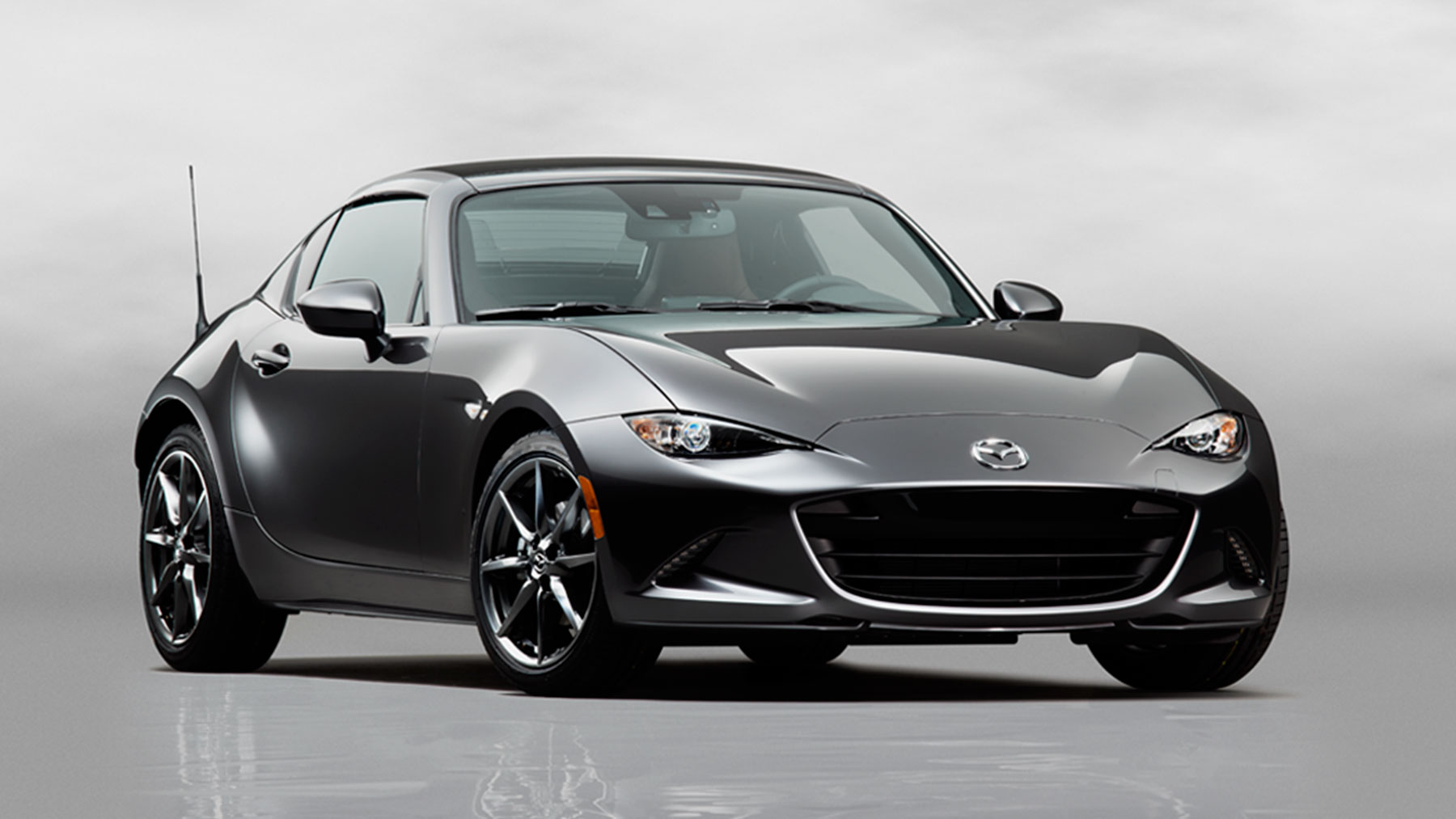
The Mazda Miata is a real gem


Image result for 2017 mazda miata no copyright

The Mazda Miata is one car that every driving enthusiast should test drive or own in their lifetime.

The sole engine option for the Miata is a 2-liter four-cylinder pumping out 155hp. It may not sound like much but trust us when we say that it is plenty. The Miata is lightweight which translates to a 0-60mph timing of just 5.8 seconds which is wicked fast in our books. It doesn’t have the torque of a turbocharged engine but it certainly has the revs which makes it sounds so much better than any turbo engine we’ve driven. We didn’t get the chance to test drive the Miata with a manual gearbox but from what we’ve heard it really is the only way to go with this vehicle. The auto gearbox does the job good but it doesn’t replace a manual gearbox and it makes us want to go back and try to test drive one with a manual gearbox to compare between the two.

Driving the Miata is a unique driving experience in which we will never forget. The steering feedback is so linear and responsive that it can make many expensive options look overpriced. The chassis is the sweet spot on the Miata, we were able to sling it into corners and bends with pure confidence and with the amount of horsepower the engine produced it didn’t feel underpowered. Some will say that a turbo engine would be nice but we say the turbo engine is best ditched because this engine is just silky smooth and revs so sweetly. There is some wind noise that intrudes into the cabin as well as some road noise but it is far from a deal breaker.

The interior doesn’t feel as cramped as you’d expect a small roadster to feel. The driver and passenger seats both offer plenty of support and adjust ability. You won’t feel snugged inside the cabin with the roof up either, although taller drivers may want to test out headroom with the top up to see if they are still comfortable. Over the shoulder visibility is good while overall visibility outward to the rear is a little compromised but luckily there is parking sensors to help take the sting out of that. The Miata really isn’t a large car to begin with so you shouldn’t struggle much at all parking it. The infotainment system is actually quite easy to use with many of the menus easy to find but it can be a bit distracting while on the go. Also, the materials used inside of the cabin feel top-notch. Something you would expect from Mazda and after all they do have some of the best interiors for their price range. The boot space is adequate, but let’s face it people aren’t buying this car for practicality.

The Grand Touring trim which was our tester car came equipped with LED headlights, auto-dimming driver’s mirror, 17-inch alloys and leather trimmed sports seats. You also get a 7-inch touch screen display, keyless entry and rain sensing windshield wipers. The cheapest Miata you can buy is the Sport Trim which for many people is enough while the Club Trim does offer a bit more kit standard for not too much more cash. We’d certainly choose between those two trims with a six-speed manual gearbox rather than this configuration that we had as a tester, it’s nothing wrong with it but we’d ditch the auto gearbox.

The Miata is one of those vehicles you have to test drive or own before you go to your grave. It’s really a special vehicle that every driving enthusiasts will love; pure driving pleasure that’s simple and yet elegant. Bravo Mazda!

Likes: It handles like a dream. Engine doesn’t have much oomph but it makes up for that with excellent driving dynamics. Low running costs.

Dislikes: We didn’t bother listing any because they’re most likely just nitpicking. It really is that good.

Our pick: Go right for the entry-level Club Trim which seems to offer decent value for the money. Ditch the auto gearbox and go for the manual, you’ll save money and also you’ll enjoy the Miata even more.

Thursday, July 19, 2018

Volkswagen Tiguan Limited


The next generation of the Volkswagen Tiguan will be here soon, but you can still buy the current generation if it tickles your fancy.

The sole 2-liter turbocharged four-cylinder engine isn’t the upgraded 2-liter turbo from the GTI but it still makes a respectable 200hp. You can have it with either front-wheel-drive or all-wheel-drive if you desire the extra traction. We hadn’t had the opportunity to test drive the front-wheel-drive form but instead had the Sport trim with 4-motion all-wheel-drive. The combo together doesn’t feel sluggish at all thanks to high torque at low revs and a smooth six-speed automatic. It really is a GTI on stilts because not only is it fast but it feels very agile where it matters most. It’s not GTI athletic but you’ll get our point here. Steering feedback isn’t as crisp as that of a GTI but it does the job better than some of its keen rivals. Where the Tiguan might fall short is on ride comfort, with the large alloy wheels it did feel a bit more firm than we’d like but the tradeoff is always decent handling and in our books that’s not really something to complain much of. Wind and road noise are well suppressed and the engine is mainly hushed at relaxed speeds.

The interior doesn’t feel up to par with some of its keen rivals but it still feels classy. The touch-screen infotainment system while it is easy to use, it still is distracting to use because of all the various menus. (We’ve said this about several infotainment systems and we will still think that they’re distracting while on the go.) The front seats offer plenty of support while the rear seat offers plenty of space for three abreast. The boot space isn’t as versatile as the Golf’s but it is a decent size and offers plenty of versatility when the rear seat is folded down.

We’d say it’s best to skip the S trims and the Wolfsburg trims as well and go right for the Sport trims. It comes with Bi-Xenon headlights, panorama sunroof, 18-inch alloy wheels and dual-zone climate control. You may pay a slight premium for it but we think that it is well worth it. The interior materials are much improved and the overall appearance makes the Tiguan feel like a classy package.

It’s hard trying to find the right compact crossover that fits you the best, especially with so many of them to choose from. But we’ve broken it down with this statement. Buy the Tiguan Sport or SEL because those are the classiest forms, everyone else is better off looking elsewhere because the Tiguan is less than average among heavy hitters like the Honda CR-V and Hyundai Tucson.

Likes: Turbo engine offers the flexibility we love. The interior is classy VW and the standard kit list is pretty good too.

Dislikes: The more expensive trims feel the classiest. The new Tiguan is around the corner and has three-rows of seats.

Our pick: Go right for the Sport or SEL trims. You may have to pay extra for them but they feel well worth the premium.

Monday, July 9, 2018

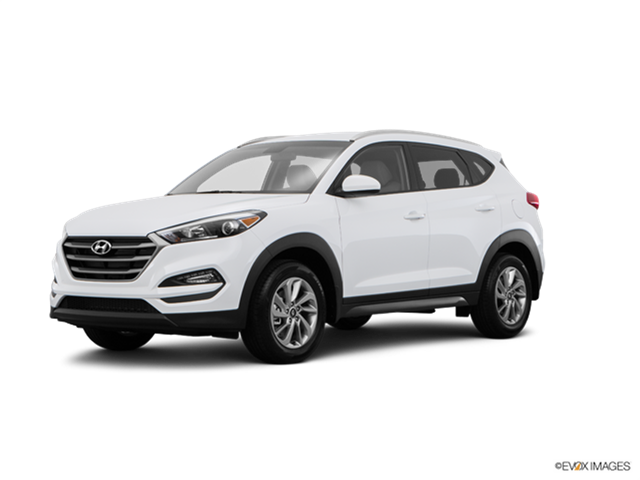
Pathological test drives a Hyundai Tucson

Image result for hyundai tucson eco no copyright image

Hyundai has come a long way from being cars you’d buy because of heavy discounts to cars that are actually desirable. The Tucson has always been a bit of an oddball but with the newest generation, it may prove to be Toyota’s worse nightmare yet.

The standard 2-liter four-cylinder offers decent flexibility with or without all-wheel-drive. Pick of the range however would go to the 1.6 turbo which comes mated to a seven-speed automatic. You can option for all-wheel-drive if desired but we wouldn’t bother with it unless you really have to have the extra traction on slippery surfaces. Our tester (Tucson Sport) came with all-wheel-drive and handled quite well when the roads got slightly messy from an icy shower.

The Tucson feels much more upscale to drive than the previous generation. Handling is secure but nothing to brag about, while steering feedback is decent too. We’d strongly suggest looking elsewhere if you are looking for a more engaging driving experience because the Tucson even when equipped with the turbo engine is far from sporty. We do however applaud Hyundai for improving quality and refinement. Wind and road noise are well suppressed and only the sounds of the engine creeps in when you push the engine hard, even then it is far from intrusive or annoying.

The front seats offer decent comfort and plenty of adjustability. The steering also offers plenty of adjustments too. The infotainment system is easy to navigate through and the touch screen menu is easy to use and not as fussy as the one’s we’ve tested in Fords and Toyotas. Rear seat offers plenty of comfort for three and the boot space is decent with the second row seat in place and folded down.

No matter which Tucson you choose, all of them come well equipped and will satisfy most buyers. SE trim comes with 17-inch alloy wheels, rear-view camera, stain and order resistant cloth seats and 3.5-inch monochrome LCD instrument cluster display. Eco trim comes with power driver’s seat, fog lights, roof rails and drive select mode for the auto gearbox. Pick of the range Sport trim comes with 19-inch alloys, hands-free boot opening/closing; proximity key with keyless start and heated front seats. Top of the range Limited comes with dual-zone climate control, leather seating surfaces, LED headlights and auto-dimming rearview mirror.

SE and Eco trims come standard with a driver’s blind spot mirror while Sport and Limited trims get blind spot detection system and lane change assist. We’d love to see automatic emergency-braking with pedestrian detection standard on the Limited trim. Tire pressure monitoring system with individual tire pressure indicator is standard as well as electronic stability control, anti-lock brakes and brake assist. Roof-mounted side curtain airbags come standard with rollover sensors in case of a side collision or rollover accident.

The Ford Escape is slightly more engaging to drive and the Nissan Rogue offers a third row seat. However, the Hyundai Tucson isn’t all that bad. It offers decent kit standard and has low running costs from both engines offered. You’ll probably want to step up to the Sport to get all the goodies and all-wheel-drive really isn’t needed unless you absolutely have to have the extra traction. Overall the Tucson is the best compact crossover you can buy if you desire high content at a decent price but we wish that steering feedback was improved then the Tucson would be even better.
Likes: Loads of features for very little money. Turbo engine offers better flexibility and doesn’t cost much more. All-wheel-drive adds extra traction when desired. Interior much improved with easy to use infotainment system.

Dislikes: Resale value is questionable. Steering feedback is more on the so-so side. We wish the driving experience matched the looks.

Devon’s choice: The Sport trim offers all the goodies most will want without having to step all the way up to the Limited trim. Eco trim offers the turbo engine as well but is more geared towards saving fuel and is also worth considering if you have to have a crossover but don’t want a hybrid.