What's On

Showing posts with label Land Rover. Show all posts

Thursday, January 12, 2023

Despite the reliability woes we love the Range Rover Sport


2016 Land Rover Range Rover Sport (L494 MY16.5) HSE SDV6 wagon (2017-01-22) 01.jpg
The previous Range Rover Sport wasn’t based on the Range Rover Platform and wasn’t sporty in any sense of the word. The new one is all of the above and more.

The two 3-liter supercharged six-cylinders pump out 340hp and 380hp, there’s an optional 3-liter turbo-diesel six-cylinder pumping out 254hp while the top of the range 5-liter supercharged eight-cylinder comes in both 510hp and 550hp. We’ve driven the 3-liter supercharged six-cylinder engines in other Land Rover products, and we adore the turbo-diesel engine. However, with the Range Rover Sport we were only able to get our hands on the 5-liter supercharged eight-cylinder pumping out 510hp. The words sluggish will never exist in your vocabulary when you’re driving this version of the Range Rover Sport. It quite literally leaves a smile on your face and there is never a dull moment when behind the wheel. What we enjoyed the most about the Range Rover Sport is how easy it is to drive around town. The steering feedback is where it should be and it doesn’t wallow about or shimmy over rough surfaces. It’s great that despite being such a heavy crossover, it doesn’t feel as daunting to drive as the Cadillac Escalade we’ve driven. It really doesn’t make much sense that engine stop/start technology is fitted to this vehicle; it doesn’t really make much of a difference in running costs. But the most important aspect of it is that it’s not as annoying as the ones you’ll find in BMW and Mercedes.

The Range Rover Sport becomes a totally different beast when you take it out on the highway. The eight-cylinder engine emits a lovely snarl that’s met with acceleration that’s blisteringly quick and doesn’t feel overpowered or out of its depth. What we enjoy the most about driving the Range Rover Sport is how comfortable and secure it felt, and if you do dare to tackle corners and bends you can do so because the suspension can handle it. We personally didn’t get the chance to do that but we did get to drive on some light off-road trails and the grip is where it should be. It has so much high tech features that you won’t get stuck, and even if you did get a little too adventurous, this Range Rover lives up to the reputation that Land Rover has set for their vehicles. It’s good off-road as it is on road.

The driving position is spot-on good. The seats give you a commanding view out and are all-day comfy. The second row is comfortable as well while the optional third row seat is best left for small children. We wouldn’t even bother opting for it unless you really need it. The Disco and Disco Sport are much better options if you are planning on carrying more than five people.  The boot space is quite generous when you have the second row in place, fold that seat down and you’ve got a nice cavernous crossover that can also handle whatever you throw at it. The infotainment system in this Range Rover we had was much better acting that many of the Land Rovers we’ve tested. It wasn’t as slow but it did take forever to power on after a system reboot and of course the electrical issues did jump right in to ruin our fun. The memory setting for the power steering failed, which resulted in the steering wheel being in the lowest setting possible. It make the drive to the nearest dealership quite awkward, then the easy-exit feature for the driver’s seat failed which left the seat so far back that neither one of us could reach the pedals. The auto high beam headlights kept getting confused with lightly shaded areas and insisted on staying activated. The parking sensors did fail when we were trying to squeeze out of a narrow parking space and overnight the optional alarm system kept ringing off every five minutes when it rained.

Our Range Rover Sport came fitted with 22-inch alloy wheels, panoramic sunroof and red Brembo brake calipers. Adaptive bi-xenon headlamps were fitted as standard as well as premium leather seats and a premium audio system. It’s great that many of the safety features that helped making driving the Range Rover Sport easy were fitted on our tester car, but it still is only optional and does make it quite an expensive proposition, especially if certain features you’ve got to have. We just warn you that you will have to pay the premium for them.

The Range Rover Sport can tarnish off-road trails and on-road pavement with finesse. It quite literally is a jack of all trade. You have an opulent and refined interior with performance that can shame some BMWs and Porsches. It really does live up to the ‘sport’ in its name and is well worth the short-list if the X5 and Cayenne are crossovers that you are considering. However, the electrical issues we experienced with the Range Rover Sport during our 4th of July road trip makes us think twice about spending the money on a product that could potentially spend way more time in the shop than on the road, but damn does it look smashing!

Likes: Strong range of engines with elegance on-road and off-road. The commanding view out and comfortable seats make it light years better than many of its competition.

Dislikes: The electronics decided to take a holiday.

Our pick: We’d stick with one of the 3-liter supercharged engines or the turbo-diesel.

Pathological test drives a land yacht (used)

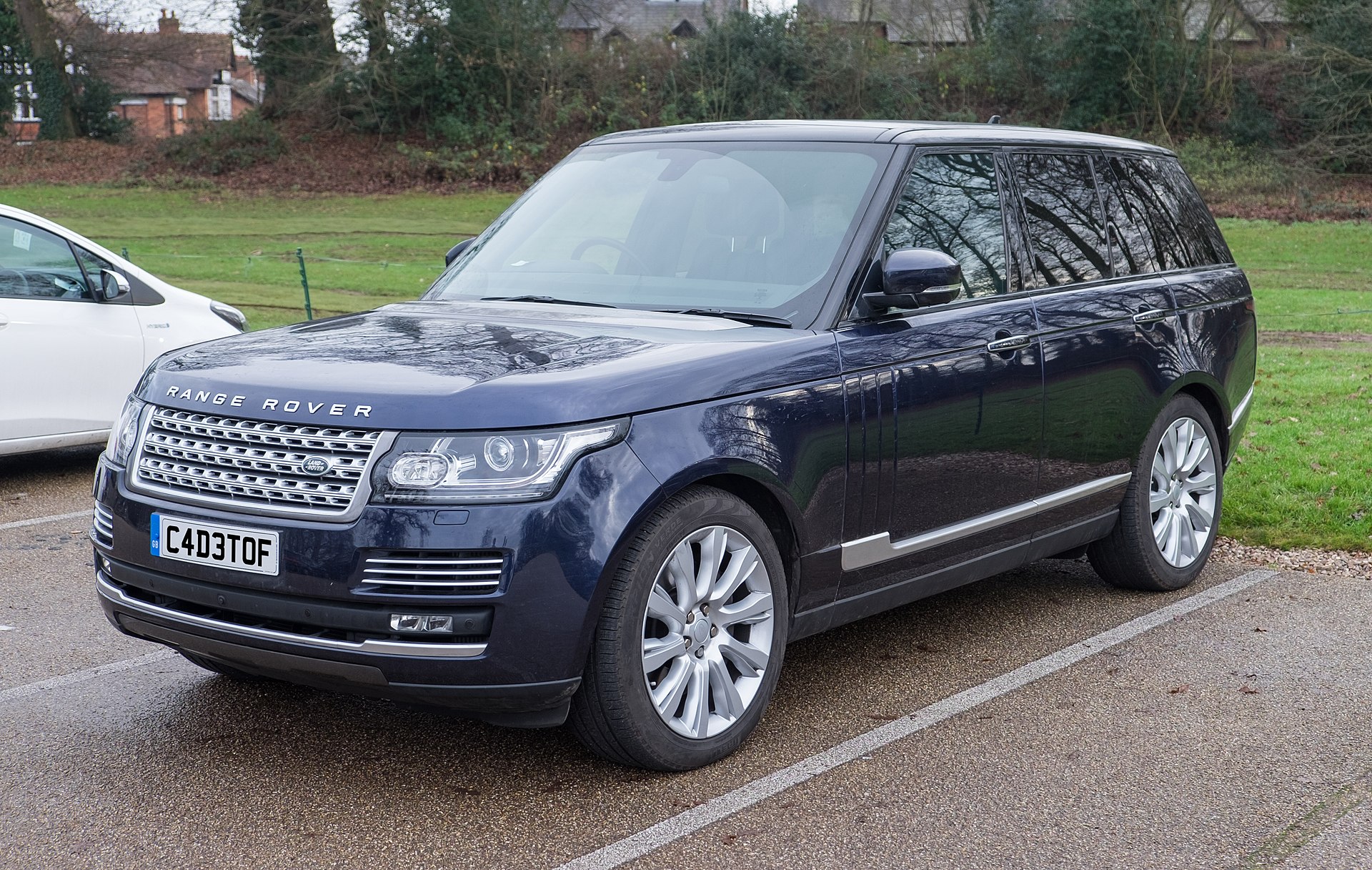
Land Rover Range Rover Autobiography 2016.jpg
The Land Rover Range Rover is like expensive wine. It only tastes good if you exploit it for what it is really meant to be used for.

Most expensive wines come with several flavors to choose from and so does the Range Rover. Standard 3-liter supercharged six-cylinder pumps out 340hp and really isn’t anything to brag about, but it is flexible and doesn’t feel short on puff. The optional 380hp form makes more sense. The 3-liter turbocharged six-cylinder diesel has the lowest output of the range at 254hp but makes up for that with 443lb-ft torque. The diesel engine in this makes no sense whatsoever. Most considering the Range Rover won’t care about running costs because let’s face it you’d consider every other option that’s cheaper. Top of the range 5-liter supercharged eight-cylinder pumps out 510hp and 550hp and both are the best of the best here. Acceleration is so fast that you’d immediately forget that you were in a heavy 4x4 unless you try to turn a corner fast and oh dear you’ll be brought back to reality real quick.

It’s not designed for heavy corners most would say. Tell that to BMW and the X5/X6, Porsche Cayenne. Both seem to defy logic of any SUV with fantastic handling. However, we aren’t talking about BMW or Porsche. We’re talking about Land Rover the almost fully capable land yacht if you wanted to call it one.

The closes to off-road we could do in this beast was maybe more of the light mud and grassy stuff. Yeah, we ourselves thought it was pretty lame but these are the cards we were dealt and well we were going to make the most of it! Our tester car came equipped with the eight-cylinder engine and well it was the most expensive on the lot too. It’s no wonder the Range Rover Sport exists. This 4x4 isn’t cheap and neither is the equipment for the four-wheel-drive. There were so many off-road selections and several ways to get out of sticky situations that it would leave your head spinning. It was indeed a joy to drive around in just the mild stuff and yes it climbed on top of all that was thrown at it. (Of course the light stuff.)

Honestly most buyers won’t even tackle the off-road trails or go anywhere near them. So we decided the best thing to do is to drive it like how 99% of most buyers will and that’s around suburbia and in heavy traffic jams. I can honestly see where the diesel would be more appealing because a 5-liter eight-cylinder in stop/start traffic is like driving a Bugatti Veyron at speeds below 20mph. It’s meant to be driven fast and to its full potential and you can’t achieve that with grandma in the fast lane doing 15 below the speed limit and the mom on her cell phone yelling at the kids in the backseat to quiet down. You’ll be annoyed but the seats are superb and the overall visibility is outstanding despite it being so tall and wide. It does often feel top heavy but let’s face it, even we have limits and trying to push this heavy thing to its limits is well not something we are interested in embarking.

The stop/start technology isn’t all that refined and it does leave a lot to be desired. Most will just immediately shut it off every time they turn on their vehicles, but it does save gas though!

Steering feedback is pretty good for a 4x4 and handling is more secure and borderline athletic. It’s not BMW or Porsche but it’s decent.

The interior is what matters the most to us because you spend all most all of your time there. Yes this 4x4 has the most luxurious interior you can possibly ask for. The materials used feel soft and luxurious and it doesn’t disappoint one bit. There’s decent space for everyone to get comfortable and I don’t really see how anyone couldn’t love British Luxury, it’s so understated sort of like Scandinavian Luxury (ala Volvo). We did however run into a lot of electrical issues and many of them were just plain annoying. The infotainment screen decided to basically reboot itself while we were using the navigation to find our destination. It took about 15 minutes to restart and when it finally did the navigation system suddenly couldn’t find our destination after the reboot. The auto high beam headlights often got confused by everything from street lights, the reflectors on the road and lightly shaded areas the high beams insisted that they need to be activated. The parking sensors completely failed after a rain storm. These issues were addressed with Land Rover and they did fix the problems after we returned the vehicle.

The base Range Rover comes with Autonomous Emergency Braking, 19-inch alloy wheels and a 13-speaker 380watt sound system. HSE comes with sliding panoramic sunroof with power blind, 14-way power front seats with memory setting, heated rear seats and auto-dimming exterior mirrors with power-fold feature. Supercharged trim adds 21-inch alloy wheels, front fog lights and All-Terrain Progress Control.

The Range Rover is one of those 4x4s you’ll either love or loathe. Most will loathe it because the reliability issues and of course the high starting price. But for those who can make it rain of course won’t mind the high starting price and the steep running costs, it’s the luxury that matters the most and yes the Range Rover can and will deliver.

Likes: The Range Rover is excellent on-road and off-road, a feat that’s just plain impossible to achieve. It has a presence that is hard to ignore. British Luxury is so much better than the Germans. Eight-cylinder engines are so quick you’ll forget that this beast is a heavy one.

Dislikes: Electrical issues cause worry in reliability long-term. Running costs aren’t cheap.

Devon’s pick: The 3-liter turbo-diesel should make the most sense but it doesn't. If you have the money to buy and run a Range Rover chances are you don't care about running costs and the 5-liter supercharged eight-cylinders are the way to go, and you won't regret it! 

A month with a Range Rover

Living with the car. We decided to see what would be like to live with a Range Rover for a whole month. We’re going to break down our experiences with a Range Rover and should you consider buying one or leasing one. The Range Rover we picked was very lightly optioned. It had basic interior protection package with 16-way heated front seats, navigation system and a black headlining. It was the closest to the MSRP we could find. It didn’t even have fancy alloy wheels, which further cheapened the look of the Range Rover. You could just look at it and immediately know we had the entry-level model. However, it does have curb appeal as we gotten quite a few stares just doing regular errands and driving around town. Heated front seats on a cold brisk morning does become your best friend. More than you’ll ever know. You can option for a diesel engine, and it does make the most sense if you are planning to do tons of highway driving or plan on going off-roading. The extra torque does come in handy. However, that commands a hefty $7,000 premium over the already competent 3-liter turbocharged/supercharged six-cylinder petrol engine ours came fitted with. It’s such a joy to drive. The engine spools smoothly and there’s little to if no turbo lag just driving around town and cruising along on the highway. Land Rover says that with this engine you can get from 0-60mph in about 7.5 seconds. We honestly believe that is the case here. It does feel quick on its feet and we didn’t feel like we wanted more. Besides, the whole purpose of driving a Range Rover is to drive it in a luxury fashion so everyone can see you in it. We’ve encountered our first ever snowstorm which rocked our Midwest area. It dumped a foot of snow onto the ground and made everything challenging for street parking and well driving around since it froze over and then more snow was dumped on top of that. The Range Rover wasn’t a struggle bus. It managed to help me get through the blizzard with little to no drama. I felt very confident driving through the worse of the snowstorm, even if I were only doing a mere 7mph from my job all the way home. The optional heated windscreen does wonders when it’s snowing and of course the Range Rover comfort factors made the traffic jam less stressful. We absolutely love the headlights at night. They are crisp and stunning. You don’t need high beams or fog lights. What we like: The Range Rover is a great vehicle to drive around as a daily commuter car. The throne-like seating position makes it quite easy to see out of and the overall driving experience is laidback. It may not be as agile as an X5 however this isn’t trying to be an X5. It’s a 4x4 that can handle its own well when the weather gets nitty and gritty. The engine is smooth and flexible, the interior is first-class amazing. It’s also quite roomy as a five-seat with plenty of boot space. What we don’t like: The infotainment screens take some getting used to. It does get a little annoying at times when you want to do simple adjustments for the climate control or change the radio station. It does get a little distracting, however once you’ve mastered it. You’ll get along with it just fine. The automatic high beams often are confused with lightly shaded areas and overpasses. The engine stop/start technology has failed on us twice. We still can’t get over the fact that our Range Rover has a price near $100,000 and only comes with 19-inch alloy wheel as standard. Overall: Lease a Range Rover and get rid of it. We love Land Rover products. They are stunning to look at and amazing to drive. However, they are very unreliable in quality and once the warranty expires. The fun really does begin. Likes: The engine is silky smooth in operation. It’s a Range Rover. It’s recognized everywhere you park it or drive it. It’s comfortable to drive around town and on the motorway. Dislikes: Reliability woes. 19-inch alloy wheels on a car that costs almost $100,000.

Friday, January 6, 2023

We drive a (UK-spec) Land Rover Velar


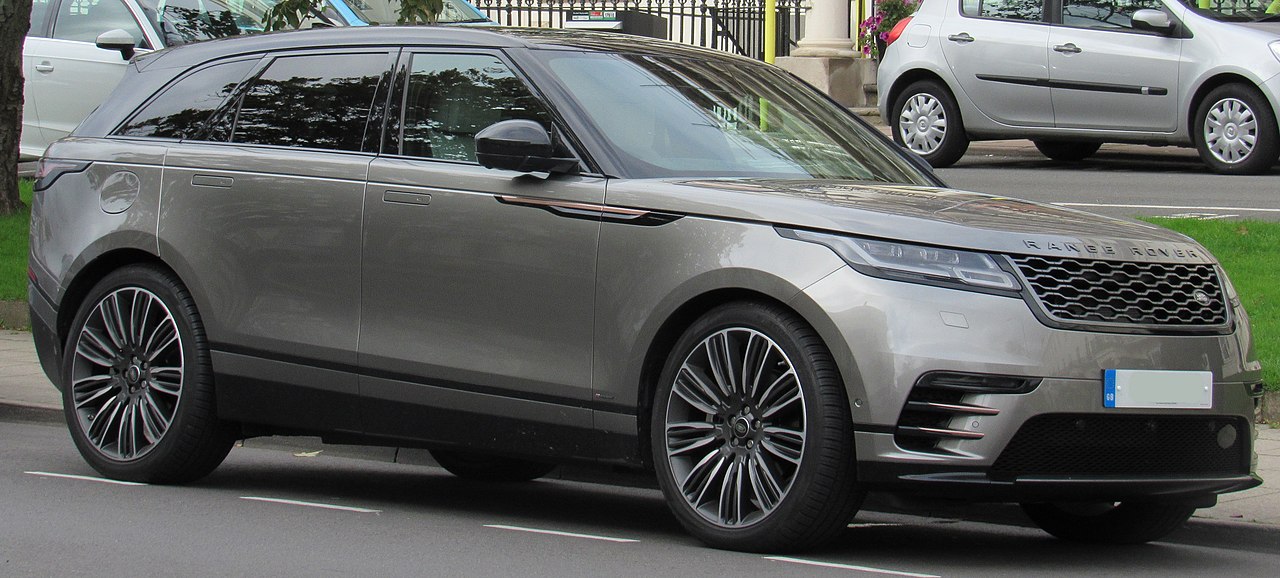
Range Rover Velar.jpg
The name Velar isn’t the result of drunken scrabble, but a name that holds history with Land Rover. A name so prestige should have a prestigious vehicle behind it.

We feel a bit daring when we say this but Land Rover has been on a bit of a design revolution as of recent. The newly redesigned Disco looks amazing and now we have the Velar which is stunning. Audi, BMW and Mercedes won’t be sleeping well at night.

The UK market gets a choice of three diesels and two petrol engines. The entry-level 2-liter turbo-diesel pumps out 180hp (and is the same diesel engine sold in the U.S.) and a more powerful 240hp is available. Top of the range for the diesel engines is a 3-liter turbo-diesel six-cylinder pumping out 300hp. The petrol engines are limited to a 2-liter turbo four-cylinder pumping out 250hp and a 3-liter supercharged six-cylinder with a choice of 300hp or 380hp. Our tester car was the 2-liter turbo-diesel in 240hp (D240) in standard Velar trim.

It’s a bit strange that Land Rover doesn’t offer the more powerful 2-liter turbo-diesel here in the U.S. because this engine feels far more flexible and smoother than the 180hp form that we get; to be fair it’s great we get a diesel engine period. What we love the most about the more powerful 2-liter engine is that it doesn’t feel sluggish to respond and the added torque gives you more pull where it matters the most. However, the running costs do take a slight hit with the more horsepower but why would anyone buying a Land Rover care about that? Well, we certainly did because fuel prices in the UK are pretty high and it made us miss having the lower output even more. Driving on the right side of the road takes an abundance of getting used to; but we adjusted quickly as we were very eager to enjoy as much time behind the wheel of the Velar as possible.

On the road the Velar feels very comfortable to drive and doesn’t feel lofty around the corners and bends like you’d think most 4x4s would. It doesn’t feel as sharp to drive as a Porsche Cayenne but it certainly isn’t far from it. Wind and road noise are well suppressed thanks to a well-insulated cabin and the diesel engines makes all the right noises when you accelerate hard, but remain hushed at city speeds and cruising speeds on the highway. Steering feedback is where it should be and doesn’t feel heavy and clumsy when driving around town; however some tiny roundabouts make the Velar feel cumbersome at times.

The driving position is spot on good with a commanding view of the road ahead. The seats offer plenty of comfort and adjustability. The second row seats are decent in space, but you’d think there would be more legroom. The transmission tunnel makes life for the middleman very compromised. The boot space is generous too, now on to the infotainment system. The double screens add such class to the Velar that other Land Rovers don’t really have. It’s nicely positioned and you can adjust the first screen to angle to your preference. It’s quite lovely the whole design, but functionality is still questionable as the two separate screens can be quite distracting while on the move. We are starting to understand more and more why forward collision waring with full brake is being pushed for standard kit as these new infotainment systems are quite distracting and can potentially lead to a possible fatal crash if the driver isn’t paying attention to what they are doing! We found ourselves often playing it safe and just pulling to the side of the road to adjust certain controls such as the climate control and setting the Navigation system to find a location.

You can choose between three trims; Velar, R-Dynamic and First Edition. The First Edition comes with every option ticked as standard. We had the standard Velar trim which came with plenty of kit standard. LED headlights, autonomous emergency braking, lane departure warning and low traction launch system. Also fitted standard is 18-inch alloy wheels, heated door mirrors with auto-folding mirrors and intrusion sensors to protect your vehicle against theft. What we found a bit odd though is the boot didn’t have a hands-free open/close and the standard alloy wheels look tiny compared to the larger more premium alloys that are available as an option.

The Velar certainly is the best looking Land Rover hands down and even in this segment. The interior is classy and well designed, however you can’t ignore the iffy infotainment system which does get annoying at times and also the fact that some key features are optional instead of standard. Again, this isn’t the U.S. spec version of the Velar it’s the UK spec. We did enjoy our time with the Velar and how fun it is to drive. It is worth noting though that the standard version may appeal to those who are looking for cheapest way into a Land Rover but should keep in mind that it’s worth paying the extra for the R-Dynamic.

Likes: The diesel (D240) had strong pull and decent running costs. It has such a classy look inside out. Dare we say the best looking in this segment?

Dislikes: Typical Land Rover infotainment system nightmare, the electronic door handles are cool but are annoying at times.

[US-Spec versions tested]

P250 *** (We pick the P250 simply because it offers decent flexibility and running costs. However, most buyers choosing a Land Rover in general won't care too much about running costs at all. But if you do want a nice compromise this is the way to go.)

D180 **** (We love that Land Rover has finally offered a diesel engine here in the US. Some may argue that it really isn't needed since most Land Rover Buyers don't really care about running costs. However, we found it to be more than enough thanks to high torque at low revs. It may not be the most refined diesel on the block, but it does give you style and very low running costs for the class.)

P380 ** (Most Land Rover buyers will choose this engine as it's the quickest of the range. However, quicker sometimes doesn't mean better.)

Overall: The dual infotainment screens are prone to finger prints and require a learning curve to navigate through them. Also, they can be quite distracting while on the go. The Velar in general is a stylish vehicle, however it feels like it's all style and no real substance.

Saturday, December 24, 2022

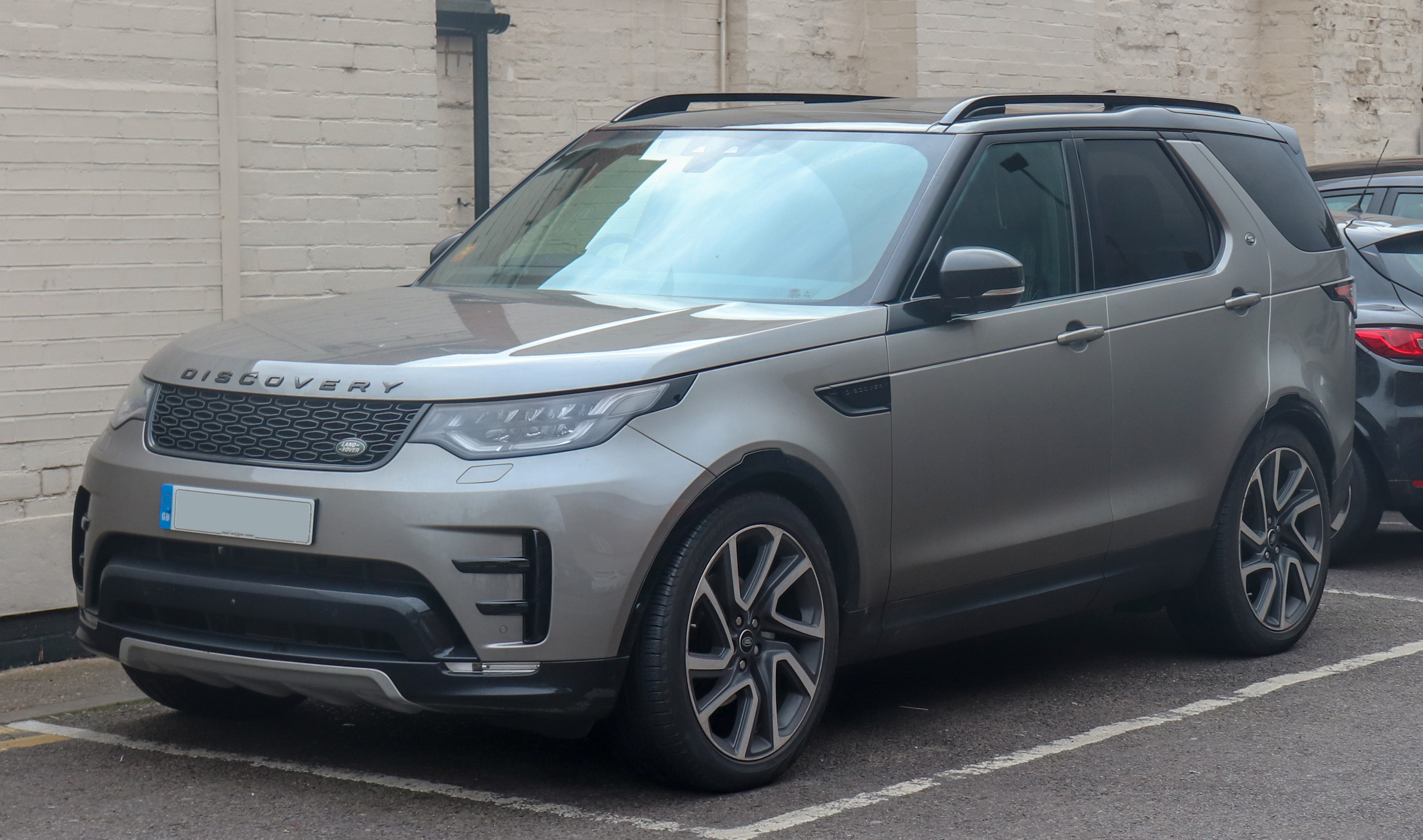
Land Rover updates the Disco (2021)

The Land Rover Disco is the Land Rover for those who seek versatility. The previous engines offered are no more. You can only choose from a 2-liter turbocharged four-cylinder pumping out 296hp and a 3-liter turbocharged six-cylinder with a 48-volt mild-hybrid system. Picking between the two of them depends upon what you desire the most. We reckon the six-cylinder is the way to go if you are willing to pay the premium for it. Everyone else will be satisfied with the four-cylinder which is our pick of the range. It’s smooth enough for daily tasks and doesn’t feel shortchanged when you’re on the highway. However, the Disco is by no means a sports saloon. You’ll forgive it though as the ride comfort is superb. Which is exactly what you’d want if you are planning to ferry seven-people around. Air-suspension is now standard-kit across the board here. It helps make the Disco feel planted when driving on narrow switchbacks, but most importantly is provides an elevation of comfort that we’ve come to expect from Land Rover. It really does feel like a luxury saloon. The only real difference is in the dynamics. It does show body-roll when you want to drive in a sporty fashion. However, you’ll have to settle for a BMW X5 or Porsche Cayenne. Both are great choices, but none are as roomy or versatile as the Disco. The driving position is spot on good with excellent comfort and refinement. The infotainment is now a 11.4-inch and is much easier to navigate through than before. We love the simplicity of the interior although some may say that it is a bit plain. The second-row seats offer good headroom and legroom, although those in the third row won’t really want to stay back there for too long. It isn’t as versatile as the XC90 which does the three rows of passenger comfort well. Boot space with the seats in place is about class average, but when you fold that third-row seat down space opens up considerably. Fold the second-row seat down also and you’ve got yourself a cargo van. The electrically folding seats do take a while to fold and unfold. The driving position is spot on good with excellent comfort and refinement. The infotainment is now a 11.4-inch and is much easier to navigate through than before. We love the simplicity of the interior although some may say that it is a bit plain. The second-row seats offer good headroom and legroom, although those in the third row won’t really want to stay back there for too long. It isn’t as versatile as the XC90 which does the three rows of passenger comfort well. Boot space with the seats in place is about class average, but when you fold that third-row seat down space opens up considerably. Fold the second-row seat down also and you’ve got yourself a cargo van. The electrically folding seats do take a while to fold and unfold. Discover S comes with 20-inch alloy wheels standard. Along with rain-sensing windshield wipers, automatic headlights and rearview parking camera. You’ll have to step up to R-Dynamic trim to get the optional six-cylinder engine. With R-Dynamic HSE coming standard with 22-inch alloy wheels, automatic high beam assist and 3D Surround view camera. The Disco is the Land Rover that’s a real jack of all trade. Likes: The new engines are much more refined. The infotainment system has been drastically improved. Dislikes: No more diesel six-cylinder. The new turbo six-cylinder is limited to R-Dynamic. Our pick: The Disco S is the best compromise without having to pay Land Rover price tag.

Wednesday, November 17, 2021

2022 Range Rover

Likes: Land Rover has managed to keep the design fresh and current without straying completely leftfield. The flushed doorhandles really do make it look much classier than the current form. The rear tail lamps and brake lamps are not only the most powerful in the industry, but they really do give the Range Rover a classier look. You can choose from a potent six-cylinder mild-hybrid or a BMW-sourced eight-cylinder petrol units. A plug-in hybrid and all-electric variants will be available later. The Range Rover will be for the first time in seven-seat configuration with the long-wheelbase. The interior is much classier than it was before. Land Rover’s off-roading cred is still there. Dislikes: It’s more evolutionary than revolutionary in terms of exterior design. Are the Range Rover loyalists really wanting or desiring a seven-seat option? It also makes the Discovery seem even more pointless. We really are nitpicking here. Overall: The new Range Rover is a step forward for Land Rover in the right direction. The style is clean, and the technology should help it stay ahead of its competition. The current form has been around for a while and competition has caught up. We are happy Land Rover has updated the Range Rover. It has so much of what we love about it and more refinement which is never a bad thing in our books.

Saturday, May 5, 2018

(Used) Land Rover Range Rover Sport (Review)


File:Range Rover Sport SDV6 SE (Facelift) – Frontansicht, 5. September 2012, Wuppertal.jpg
Photo provided by M93
The Range Rover Sport isn’t your typical Land Rover. Of course there is the legendary off-road capability and the unmistaken Land Rover looks. What makes the Range Rover Sport so different is the fact that it adds a splash of sport to your typical Range Rover, but is this a good thing?

Performance: There are two engines to choose from, a 5-liter V8 producing 375hp and a supercharged version of the 5-liter V8 producing 510hp. Picking between the two depends on the depths of your wallet. The non-supercharged V8 does a well enough job of propelling the Range Rover Sport around with no difficulty, while the supercharged form offers effortless acceleration.

Ride & Handling: The Range Rover Sport isn’t a sports machine and the hefty curb weight will suggest that. However, driving the Range Rover Sport on twisty narrow roads, you’ll instantly forget that this is a large heavy sport utility vehicle. Handling is good while ride comfort is also very posh and comfortable.

Refinement: There’s virtually no wind and road noise to complain of with the Range Rover Sport. The eight-cylinder engines emit a lovely snarl that sounds contagious when pushed hard on an open highway. The supercharged version sounds almost like a jet plane which is a welcome add to the overall driving experience.

Practicality & Space: If you want a sport utility vehicle that makes you feel like king of the road. The Range Rover Sport will do just that and will do it very well. The driver’s seat feels more like a throne, with oodles of support and adjustments to allow drivers of all sizes to get comfortable with ease. The instrumental panel is fuss free and is very easy to navigate. Rear passengers will enjoy plenty of legroom and headroom. The boot is also very spacious and roomy.

Equipment: The Range Rover Sport comes well equipped no matter what trim you choose. However, the higher the trim levels you climb the more expensive your Range Rover Sport gets. The HSE trim comes with Xenon headlamps, navigation system, 20-inch alloy wheels and full leather interior. Supercharged version offers high performance brakes, sporty exterior trim and of course the silky smooth supercharged engine.

Buying & Running cost: Buying a Range Rover Sport isn’t a cheap proposition. The base trim starts at $60,000 which will be good enough for most buyers; the mid-range adds $5,000 more with a luxury package. Top of the range adds the supercharged engine and few extras for a higher price tag of $76,000. You’ll need deep pockets for running costs, as the eight-cylinders both are gas guzzlers. The supercharged version guzzles gas as fast as it accelerates.

Reliability: The Range Rover Sport interior has many soft touch materials that feel high quality. They look and feel long lasting. However, the biggest question that still remains is reliability. Land Rover’s reliability record is very spotty, long term reliability of the mechanicals and electronics is still rather iffy.

The Range Rover Sport really is a great sport utility vehicle to own. The interior is very well crafted, the seats are very comfortable and the overall driving experience is very rewarding. The supercharged version offers effortless acceleration, all while offering light weight moves in a heavy weight package. However, the downside is you’ll pay a pretty penny to buy one and you’ll need deep pockets for running costs. There is still some concern for reliability and of course the ‘high baller’ image that the Range Rover Sport carries.

Devon's Pick: HSE trim offers a strong eight-cylinder engine and enough equipment to satisfy most buyers. Plus it's the cheapest of the Range Rover Sport range. 

Likes: Strong engines, luxurious interior with comfortable front seats. Handles well for weight and size; king of the road feeling when driving.

Dislikes: High running costs, iffy reliability record, not the vehicle for those who want to be discrete with their wealth.

Devon M

Friday, April 20, 2018

Land Rover (short-drive) which one should we buy?


We're looking to replace our Mitsubishi Outlander Sport with something a bit more posh. The Land Rover Evoque we had wasn't the most reliable but it certainly wasn't that bad to own either. However, we do want to give Land Rover another go. The new Velar and Discovery are two strong considerations.

Land Rover Discovery Sport HSE Luxury TD4 2016.jpg

Land Rover Discovery Sport

Likes: It still lives up to Land Rover reputation for off-road capabilities. There's finally a more powerful engine option. Unique 5+2 seating configuration.

Dislikes: The auto gearbox often doesn't feel on the same page as the engine. We certainly wish there was a diesel engine option. Reliability is still iffy.

Overall: It's Land Rover's best selling model here for good reason.

2017 Land Rover Range Rover Velar First Edition D3 3.0 Front.jpg

Land Rover Velar

Likes: The most stylish Land Rover of the range. The interior is stunning to look at with very cool digital displays.

Dislikes: Finicky door handles and infotainment displays.

Overall: It's a home run from Land Rover.


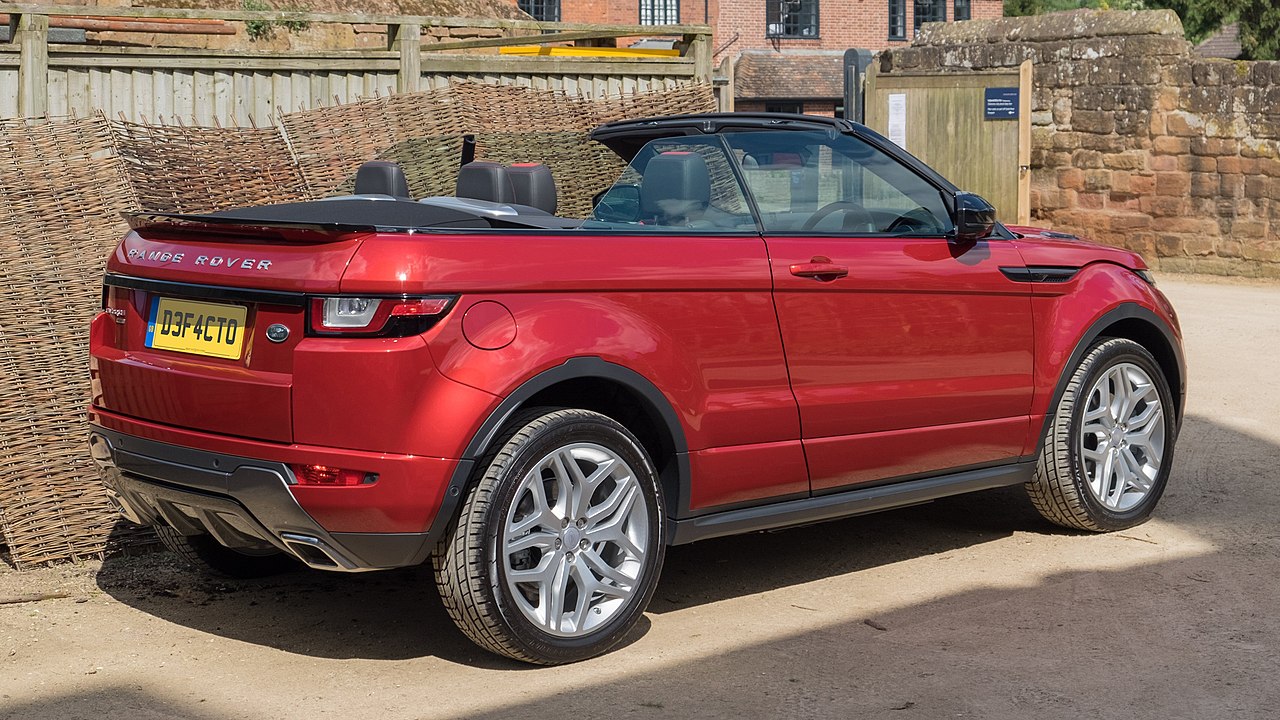
Land Rover Evoque

Likes: A baby Land Rover that's still fully capable off-road. The convertible version is an oddball but we love it. More powerful engine option available.

Dislikes: The convertible is a bit pointless. Rear seat space is on the cramped side.

Overall: The Disco Sport is roomier and cheaper but a convertible SUV makes it even more intriguing.

2017 Land Rover Discovery HSE TD6 Automatic (01).jpg

Land Rover Discovery

Likes: It seats up to seven people. The electric folding seats are pretty cool. The diesel engine has the lowest running costs.

Dislikes: Reliability short-term and long-term still remain iffy.

Overall: It's quite literally our favorite Land Rover of the range.


Friday, November 24, 2017

(Look-back review) Devon goes lux in a Land Rover


File:2011 Land Rover LR4 -- 12-31-2010 2.jpg
The Land Rover LR4 is one of those vehicles that can fit up to seven passengers and still offer plenty of luxury that you’d expect from a Land Rover. It can be used as a workhorse and has legendary off-road capability. So does this mean that this Land Rover is a real jack of all trade?

Performance:  The only engine on hand with the LR4 is a 5-liter eight-cylinder producing 375hp. Acceleration is smooth and brisk on the highway and even around town it doesn’t feel overpowered. This is highly due to the fact that the LR4 weighs 5,600lbs. It won’t feel like a sports car but it at the same time it will never feel underpowered once up to speed.

Ride & Handling: The LR4 won’t defy the laws of physics as well as a BMW X5 would, but it does a good enough job of staying composed and taut feeling through bends. Highway driving is where the LR4 shines. The air suspension does an amazing job of ironing out bumps and road imperfections providing a smooth supple ride all will enjoy. The Land Rover isn’t aerodynamic but it does filter out wind noise quite well. There is however some wind noise that can be heard from the chunky side mirrors. This can be drained out by the radio.

Behind the wheel:  The LR4 has a very good view of the road ahead.  The driver’s seat has tons of adjustments and there are plenty of storage compartments too. The controls and dials on the dashboard are easy to navigate but a tad fiddly to operate. The LR4 can seat up to seven, however it can’t do the seven passengers and their luggage trick as well as a Mercedes GL. There’s plenty of room when you fold down the third row seat. The tailgate opens in split that can serve as a seat or viewing platform.

Equipment: All LR4s come well equipped including air-con, four electric windows, Bluetooth and keyless entry. You’ll have to pay extra for Xenon headlamps and satellite navigation system. Our pick would be the mid-range HSE which comes well equipped and is still offered at a decent price. Top of the range adds more features but is harder to justify the higher price tag.

Buying & owning: The LR4 isn’t a cheap car to buy or run. Your fuel bills will be high due to the thirsty eight-cylinder engine. We think that a diesel engine option would really help cut some of the sting out of the running costs, as well as make the LR4 even more desirable. Resale value should be pretty strong when it comes to selling too.

Quality & Safety: The materials used in the cabin show that much detail were given. It feels classy and solid but the biggest question still remains is the reliability record. Our tester car suffered its fair share of electrical issues. The Satellite navigation system completely shut off and took nearly five minutes to restart and car failed to start after a brief stop fuel stop. Stability control and hill decent control all come standard to help aid in on-road and off-road. Thieves won’t bother with the LR4 as it comes standard with an alarm, immobilizer and deadlocks.

The LR4 is a classy well rounded sport utility vehicle that seats up to seven. There’s plenty of comfort in on-road and off-road capabilities with a luxurious cabin that can lives up the Land Rover standards. However with all this comfort and refinement reliability has been a bit of an issue. Our tester car suffered a few glitches on the test drive. If you can ignore these bits the LR4 is a rewarding vehicle to own and a fantastic car to have if you need seven seats or just want the Land Rover badge. However, there are better alternates out there that are much better in terms of quality and running costs.

Likes: Luxurious ride on road and off-road with commanding view of the road ahead. Can seat up to seven yet doesn’t feel its size when you’re on the road.

Dislikes: Running costs will be high. Electrical issues questions long term reliability. No diesel engine option.

Devon's Quick Summary.

Performance: Eight-cylinder pulls well but is very thirsty.
Ride & handling: Isn't as sharp as an X5 but does a good job.
Behind the wheel: Excellent visibility with superb driving position.
Equipment: Well equipped but lacking a few items that should be standard.
Buying & owning: Isn't cheap to buy nor cheap to run.
Quality & Safety: Reliability is very questionable.

 Devon M 

Tuesday, August 29, 2017

Poor Build Quality (Old)

2012-Jaguar-XF-studio (5639207249).jpg

Jaguar XF ($51,000)
Jaguar has replaced the aging S-type with the new XF. The XF displays sleek new styling and a more advanced technology that has never been offered in previous Jaguars. Although its styling is pretty, reliability is not up to par. In fact, Jaguars consistently score low in initial quality surveys. Unless you have deep pockets. You're better off buying from BMW or Mercedes-Benz.

2005-2008 Land Rover Range Rover Sport wagon (2011-03-23).jpg

Land Rover Range Rover Sport ($59,000)
Land Rovers are known for their ability to provide luxury both on road and off. Although the average buyer won't take these machines off-road. Many of these vehicles will spend most of their lives in the repair shop. That is if you find that one Land Rover that actually is reliable. Just like Jaguar, Land Rovers suffer from poor reliability ratings. To sum it up, you buy a Land Rover as a status symbol.

2002 Volkswagen New Beetle (9C MY02.5) 2.0 coupe (2010-10-01) 01.jpg

Volkswagen Beetle ($17,000)
The Volkswagen Beetle is known for its cute iconic design. With a 2.5liter five-cylinder rated at 150hp and a six-speed automatic transmission. Fuel economy is so-so, but interior quality is typical Volkswagen. When you buy a New Beetle, make sure that you get rid of it after the warranty is over. Many owners have complained of electrical problems and even major mechanical problems well after the warranty is over. Even though its cute, the build quality is terrifying.


Automatic BMWs
BMWs are dream cars for many. Most people lease them and trade them in for newer models. Once traded in, people flock to buy them used. This is where all the problems begin. Even if certified pre-owned, these automatics should be avoided at all costs. Most customers complain that the transmission hesitates or won't go in reverse at all. German cars aren't cheap to fix. BMW tends to be a little pricier to fix than the average German vehicle.

Devon M 

Wednesday, February 23, 2011

Devon's Coverage of the Auto Show (Part Three)


BMW X3
Likes: Styling looks much better than previous form, more spacious interior, available turbo six-cylinder engine.

Dislikes: BMW premium pricing, no more manual transmission.

Overall: People choose this over the much better way less expensive 3 Series Wagon?


Acura TSX Wagon

Likes: Stylish wagon inside out, plenty of cargo space and people space, fuel thrifty four-cylinder.
Dislikes: No V6 engine option.
Overall: Although the wagon breed of vehicles is dying. Acura presents reasons why there's still hope in this segment.


Toyota Corolla
Likes: Refined interior, sense of near-Lexus quality, impressive amount of standard features.
Dislikes: Styling still bland, Toyota's reputation has been ruined by recalls, manages to be boring even with more power and sporty styling.
Overall: A soulless, dull appliance.


Honda Accord Crosstour

Likes: Excellent fit and finish, available four-wheel-drive, comfortable front seats.

Dislikes: Styling is just plain weird, slopping roofline creates blind spots.

Overall: Just a taller heavier Accord with more cargo space.


Ford Explorer
Likes: Spacious interior, styling that's very eye appealing, four-wheel-drive that's a major improvement over previous generation.
Dislikes: Turbo form doesn't offer four-wheel-drive, does Ford really need this SUV?
Overall: One of the several reasons why Ford should be reconsidered.


Land Rover LR4
Likes: Luxury combined with excellent off-road abilities, commanding seating position, powerful V8 engine.
Dislikes: Fuel economy, Land Rover's poor reputation for quality.
Overall: A decent SUV, but there are rivals that have better build quality and improved fuel economy.

Devon M