What's On

Showing posts with label used car review. Show all posts

Monday, January 7, 2019

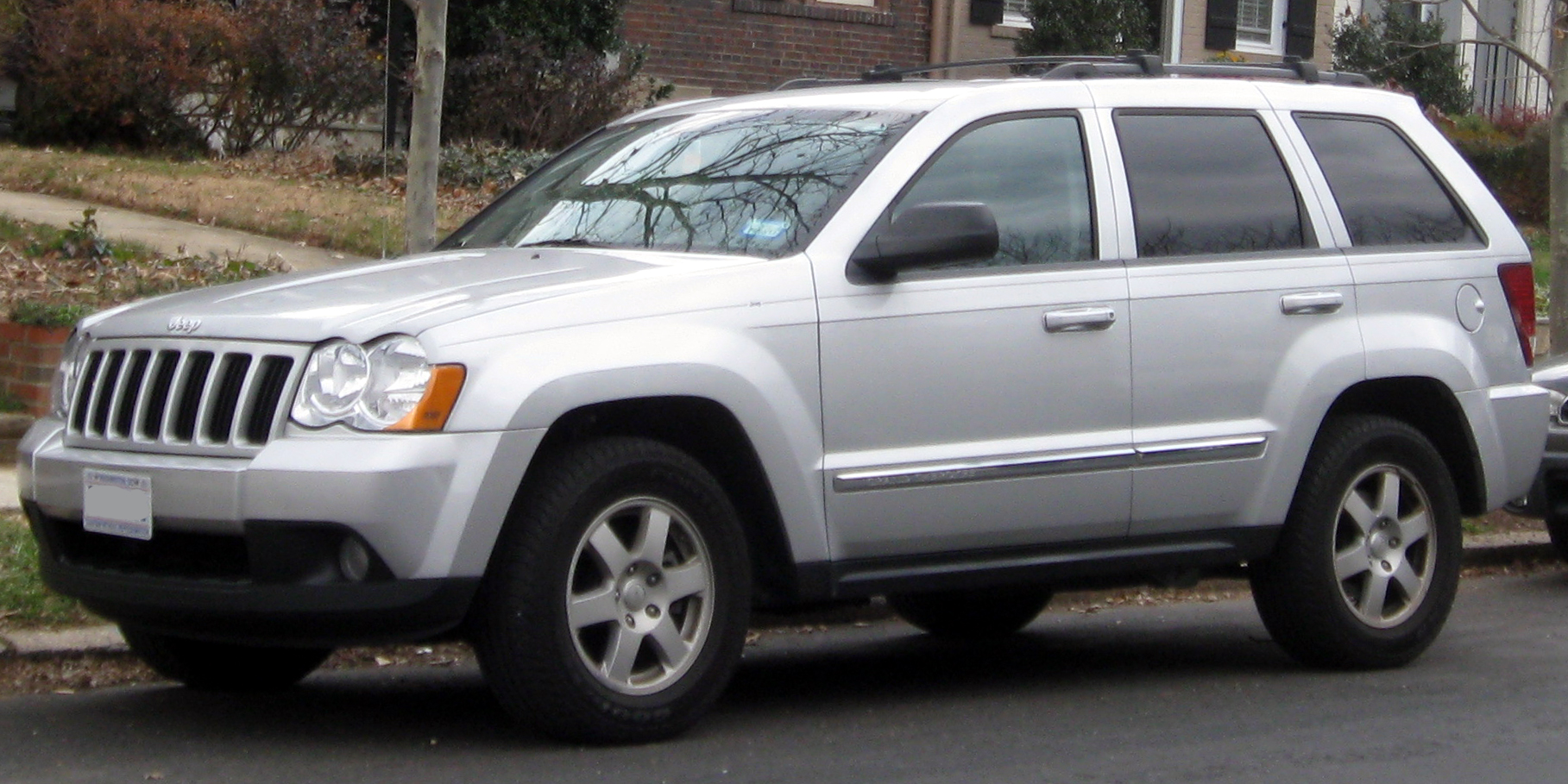
Devon takes a look at a used Jeep


Likes: Affordable prices, flexible range of engines. Good off-road capaibilities.

Dislikes: Ride comfort is unsettled on-road and overly firm on some surfaces. Cabin materials are cheap and iffy in terms of quality.

What's it like to drive? The Grand Cherokee has good off-road abilities thanks to it's excellent drive height and grippy four-wheel-drive. It's not bad on road either thanks to light steering which helps make the Grand Cherokee feel more easy to manuever around town.

Interior wise the Grand Cherokee falls short of its rivals. For such a large vehicle, the interior struggles to fit up to five passengers. Fit in finish of the cabin materials feel iffy. Switchgear in the cabin are known for giving problems to owners, we suggest making sure all works before buying. Headroom and legroom are okay but rather tight for taller passengers. One of the biggest complaints I have with the Cherokee is the uncomfortable rear seat. It often feels like there isn't enough cushion and you're sitting upright at all times. The boot space is a decent size, but there's a high lip which means you'll have to lift heavier objects when loading.

Which should I buy?
3.7L 210hp (2005 - 2010) Laredo, Limted
4.7L 265hp (2005 - 2007) Laredo, Limited: 305hp (2008 - 2009) Laredo, Limited
5.7L 330hp (2005 - 2008) Limited, Overland: 357hp (2009 - 2010) Laredo, Limited, Overland
6.1L 425hp (2006 - 2010) SRT-8
3-L 215hp turbo-diesel (2007 - 2008) Laredo, Limited, Overland

Depending upon which Grand Cherokee you are looking at and the model year you are choosing. If you are going to take your Grand Cherokee off-roading, we suggest picking one of the eight-cylinder engines which has more pull than the 3.7L which tends to fall short. The 6.2L trim is more aimed at on-road performance with the larger alloy wheels and firmer suspenison. There is a diesel engine option but will be harder to find due to the limited production run of that engine. The 3.7L engine only makes the most sense if you are going to drive on-road and never venture off-roading.

Running costs: The Grand Cherokee's strong points are its low prices and there are a few of them on the second hand market that are bargains. If fuel economy is a concern we suggest sticking with the 3.7L or hunting for the more frugal 3-liter turbo-diesel. The eight-cylinders have the most pull but aren't the must frugal. If you don't need the 4x4 then we suggest getting the 4x2 with the eight-cylinders to help increase fuel economy slightly.

What to look out four?

2005 - A recall was issued for models with the 3.7-liter V6 concerning possible contamination of the automatic transmission with water from the A/C condenser causing shuddering and possible failure of the torque converter.

2006 - A recall was issued for a possible defect in the driver's airbag inflator connector.


2006-07 - A recall was issued for possibly faulty programming of the anti-lock brakes that may cause a momentary delay in braking when coasting uphill.


2007 - A recall was issued for faulty anti-lock brake software that may cause the rear brakes to lock up under certain conditions.


2007-08 - A recall was issued for possible improperly manufactured front brake calipers that could fracture, thus interfering with the brakes ability to slow or stop the vehicle.


2008 - A recall was issued for a possible defective front control module that could result in stalling while driving.


2009 - A recall was issued for possible reversed wiring in the steering column control module driver airbag connector. In the event of a crash, the driver's airbag may not inflate.


2010 - Recalls were issued for a possible defective passenger side front airbag, possible defective brake booster input rod (could lead to brake failure), a possibly defective rear track bar, and defective ignition module that may allow the key to be removed before the vehicle is placed in park.


Devon M


Sunday, May 27, 2018

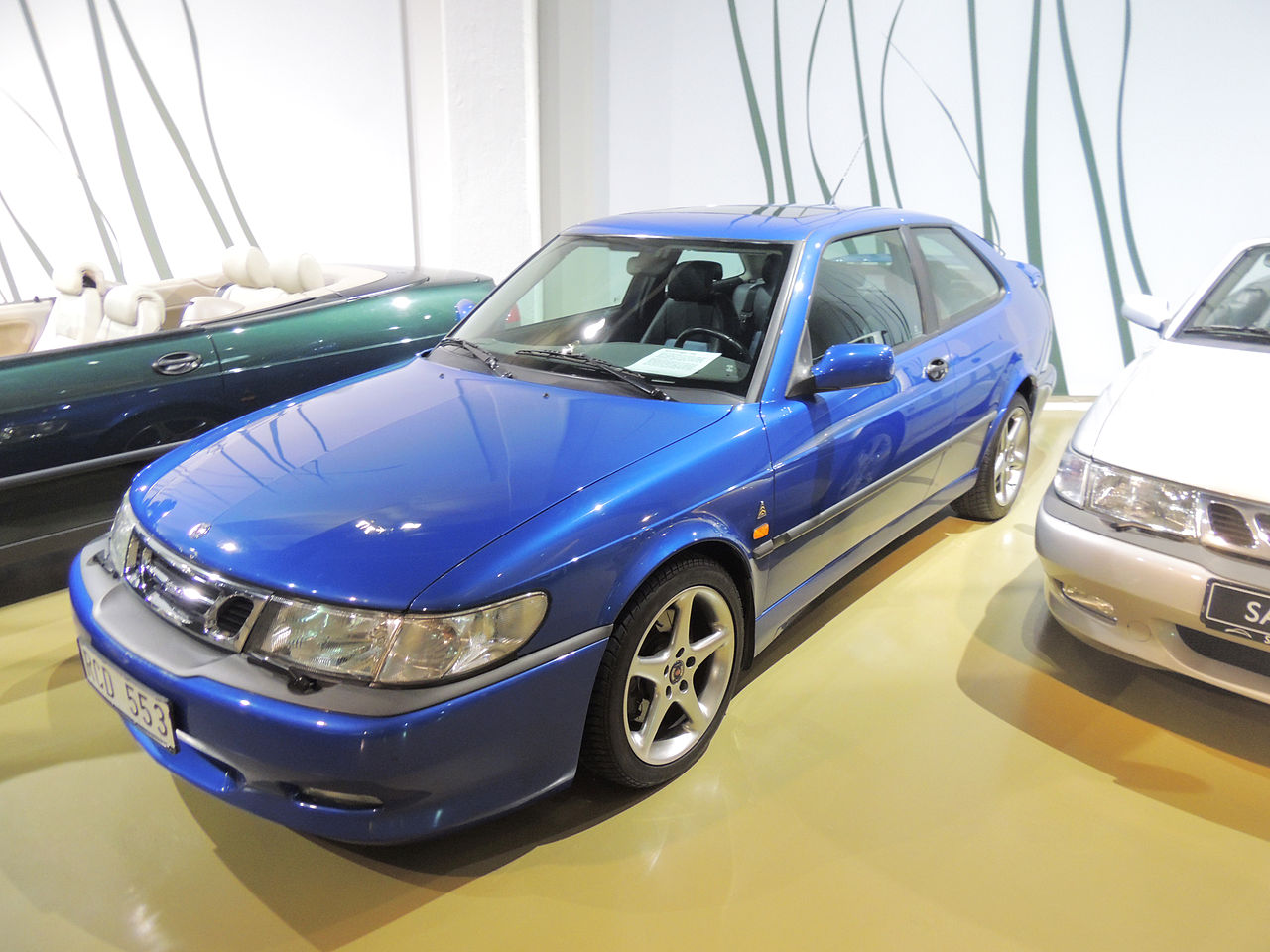
Devon does tribute to 9-3 Viggen


The 9-3 Viggen was the hottest and fastest 9-3 you could buy in Saab's line-up. It started off with a 2.3-liter high-output turbocharged four-cylinder which pumped out 225hp and 252lb-ft torque. Later it was pumped up to 230hp and 258lb-ft torque. This was one of the last of the Saab vehicles that really did leave a special place in my heart.

On the road: The 9-3 Viggen I was able to get my hands on had a 2.3-liter high-output turbocharged four-cylinder producing 230hp and 258lb-ft torque. All this power was sent through a five-speed manual that was slick shifting at times. The engine felt smooth and urgent when you put your foot down, but often times you'll want to grab the steering wheel with both hands. The front wheels felt like they were searching for traction and the chassis often felt overwhelmed by the amount of power the engine produced. This sent a huge amount of torque steer to the front wheels before the ESP kicked in and helped keep things under control. If the 9-3 Viggen would've been a rear wheel drive car, the torque steer would've been to a minimal. But then again its all part of the charm. It's one of those cars you can just take to a race track and have a hoot with, and drive it home and feel comfortable. The suspension was firm but not overly firm where it left you feeling beat up after driving a few miles on patchy surfaces.

From behind the wheel: Everything in the 9-3 cabin feels logically laid out. All the controls are easy to navigate and everything is within reach of the driver's hand. The instrumental panel and the way its designed has a sort of cockpit feel to it. The ignition switch is tucked away neatly between the front seats as well as the power window switches and power door lock switch. It was one of those designs you either hated or loved. Most people loved it because it really did make Saab different from other cars.

Practicality: One of the best things about the 9-3 Viggen is the amounts of space and practicality it offered. There is plenty of cargo space in the boot, and the rear seats can accommodate two adults and one child, or three kids. The front seats offered plenty of support and visibility all round is very good. Saab has always been known to incorporate practicality in their vehicles, with a splash of sport.

The 9-3 Viggen is a rare find and is worth the look. This is one of the last of the Saab vehicles that really did gain cult status among fans before Saab started chasing BMW and discontinued the iconic hatchback for a more mainstream sedan. One thing for sure though is there is no other car like a Saab, and even if Saab isn't in production anymore. Saab will always be the company that started the turbo craze and the whole left field illogical thinking. Ingenious safety features and some of the best turbo engines you can ever drive. Saab is and will always be a great company. 

Thursday, November 16, 2017

Devon test drives a Small Chevy (Used)

2012 Chevrolet Sonic 1LT hatchback -- 10-19-2011 front 2.jpg


The Chevy Sonic has finally replaced the long and forgotten Chevy Aveo. This time around the Sonic is stylish and comes in the familiar sedan and hatchback body styles. Trying to catch up to its Korean rivals Hyundai and Kia. Has Chevy found a new reason to buy American? Let's find out.

Performance: Engine offerings are similar to that of the Chevy Cruze. You can choose from a 1.8-liter producing 138hp and a 1.4-liter turbocharged four-cylinder producing the same 138hp. Pick of the two is the turbocharged four-cylinder. It has more torque at low revs which makes it more entertaining to drive on the highway. Plus fuel economy between the two are relatively similar so it really only boils down to if you desire a turbo or not.

On the road: The ride feels jittery over rough surfaces but the suspension does a good enough job ironing out potholes and some road imperfections. The small size helps make the Sonic easy to maneuver around town. Steering feel is light but is rather heavy at low speeds. Take the Sonic on open road and the steering looses that sharpness and there's way too much body lean than we'd like. The non-turbo engine often feels short of pull when you are on the move. This is why we suggest going for the turbo which has the extra torque to make it feel less short winded. Wind and road noise are reasonably ironed out.

Behind the wheel: It's easy to get comfortable behind the driver's seat. Steering wheel adjust for reach and height and the dash board has a simple layout with a motorcycle-inspired design.  Visibility is good all round thanks to large windows and good seating adjustments. Rear seat space is best left for two as three would be a tight squeeze. Boot space is good too although you'll have to lift heavy items over a boot lip.

Equipment: LS trim offers keyless entry, Bluetooth connectivity and stability control. You'll have to step up to the LT trim to get cruise control, power windows and alloy wheels. LTZ trim adds rear view parking camera, fog lights and perforated leatherette seats. Top of the range RS trim adds a 7 inch infotainment screen, premium sound system and unique RS body-kit and interior treatment.

Buying & owning: The Sonic is priced aggressively towards the Ford Fiesta and Hyundai Accent. Running costs should be reasonable with both engines. Resale value won't be impressive but we think that it should hold its value averagely compared with most of its rivals.

Quality & safety: The Sonic isn't the classiest compared to its rivals but you do get a good amount of car for your money. The interior quality is good although some plastics feel rather cheap. It's a leap forward however and we applaud Chevy for finally get up with the times. Reliability record should be decent too.

When it comes to safety the Sonic comes with ten airbags standard as well as stability control and anti-lock brakes. Both standard across the range. An alarm system and theft deterrent comes standard to keep theft at bay.

The Chevy Sonic is a compelling option when you look at the Ford Fiesta and Hyundai Accent. However there are a few short comings that make it feel a tad behind its keen rivals. First the two engine choices are 'okay' there's nothing special about them. The turbo has the most zip and feels more peppy than the 1.8 which we think is the better engine option to go for. Handling and steering aren't as good as a Ford Fiesta and the overall packaging is good but feels a tad overpriced when you climb up the line-up. The RS trim is only for looks but is priced to compete with the Ford Fiesta ST and Fiat 500 Abarth which both have more powerful engines. If you can overlook these few negatives we'd say the Sonic is a huge leap in the right direction. Only if Chevy ironed out the few bits and added more power. The Sonic would be even more of an compelling option. Disappointing.

Likes: Finally a compelling small car option from Chevy. Turbo engine has real zip and is affordable. Interior quality has improved too.

Dislikes: RS trim needs more power. Handling and steering fall short on open roads. Sedan looks dumpy compared to hatchback.

Devon's Pick: The LT trim is the pick of the range. You get all the kit you'll ever really need with the Sonic. Plus the price seems very reasonable too. If you spec up the base trim the way you'd desire you'll be close to this trim which we feel is worth spending the extra cash for. Paying the extra for the turbo is also worth it too because the 1.8 feels short on pull.

Sunday, July 9, 2017

Minute Reviews (Used reviews)

Mazda 6 front 20090212.jpg

2010 Mazda6

Likes: Sporty design, punchy four-cylinder engine, roomy interior with great attention to details, trunk that looks larger than the class leaders.

Dislikes: Less 'zoom-zoom' more comfort, exterior mirrors don't fold in, alloy wheels should be standard.

Overall: Great sedan that's capable and fun to drive, but the larger more heavier feel ruins the sporty nature of the car.

09 Toyota Corolla.jpg

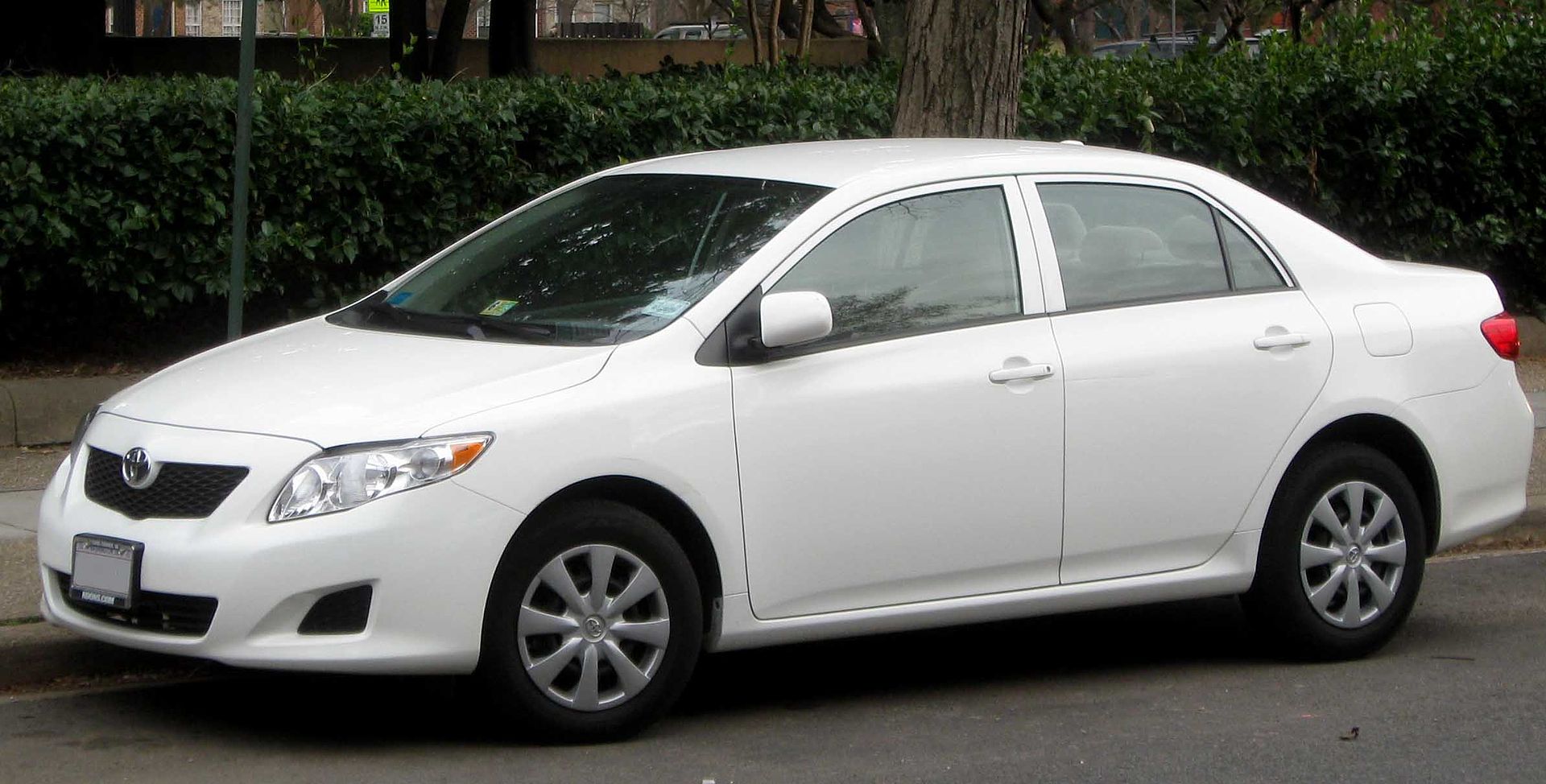
2010 Toyota Corolla

Likes: Solid car for size, little wind noise at highway speed, very spacious and refined for this price segment.

Dislikes: No driving excitement behind the wheel, styling is rather bland than flashy, recall has damaged Toyota's Reputation.

Overall: It suceeds in refinement and comfort. But leaves the driver feeling disconnected from the driving experience.

3rd-Jeep-Grand-Cherokee.jpg

2010 Jeep Cherokee

Likes: Floats over pot holes and bumpy surfaces, punchy six-cylinder engine, very roomy and well equipped.

Dislikes: Awkward rear door shape, two piece tailgate can get a little annoying at times, ignition switch requires you to turn the key awkwardly.

Overall: Great vehicle for those who love Jeep off-road hertiage. Other than that, you can buy lighter more fuel efficient alternates for the same price.

2007 Volkswagen Golf (1K MY07) Sportline 2.0 TDI 5-door hatchback (2010-07-05).jpg

2009 Volkswagen Rabbit

Likes: Solid feel, refinement somewhat higher than competitors, punchy five-cylinder engine, tons of space for such a small car.

Dislikes: Five-cylinder droan when revved hard, feels heavier than it looks, fuel economy isn't its strongest point.

Overall: Although its been replaced by the slicker looking Golf. The Rabbit is still a great buy compared to the more boring Honda Civic.


2009 Saab 9-5 sedan

Likes: Punchy turbo engine, quirky interior design, hints of aircraft hertiage through out design, comfortable highway ride.

Dislikes: Front wheel drive limits performance, hints of torque steer, often overshadowed by German and Japanese rivals.

Overall: Wait for the next generation to arrive shortly. Saab is going back to its roots, which is a good thing.