We hype up our favorite bands; We critique on sports and cars; We opine about pop culture. On occasion, will do some creative writing. This is PATHOLOGICAL HATE. Follow us on Twitter: @pathological_h8
Showing posts with label road test. Show all posts
Thursday, January 26, 2023
We question everything about the GLE Coupe
The Mercedes GLE Coupe is proof that money doesn’t buy taste.
You can choose between two engines. Entry-level gets a 3-liter turbocharged six-cylinder producing 429hp. While the top of the range AMG GLE 63 S Coupe gets a 4-liter twin-turbocharged eight-cylinder producing 603hp. Both engines are paired with a 48-volt mild-hybrid system. The GLE is very expensive to begin with, so picking between the two engines depends upon how much money you are willing to spend on one. We reckon that most will be satisfied with the AMG GLE 53, which utilizes the turbocharged six-cylinder engine. However, if you desire that extra kick in your pants acceleration and don’t mind paying the premium. The AMGGLE 63 S is certainly worth the consideration.
Driving the GLE around town provided a mixed bag of emotions. We were certainly happy that the air suspension was fitted standard. Which allowed us to slip it into comfort mode around town and when we felt like driving in a non-SUV tradition. We slipped the setting into sport mode and really pushed the GLE hard through corners and switchbacks. You’ll certainly enjoy the GLE if driving dynamics is what you are after. It might not be as sharp as the X6, however it’s not a complete dullard. When you aren’t driving like a hooligan, this Mercedes is certainly a comfortable companion for long distance cruising. You won’t notice much wind or road noise. However, what will be noticed is the smallish rear windscreen and how the corners are curved, which makes it tricky to park in tight parking spaces. However, the 360-view camera (which was fitted to our tester car) can take some of the sting out of that.
Don’t buy a GLE Coupe thinking that it’s a practical SUV. It’s far from it to be honest. The boot space is hugely compromised compared to the non-coupe form of the GLE. It’s also not as practical in the rear seat. It’s more of a two-seater if anything. Space in the front seats are ample. There’s plenty of adjustments for both driver and front passenger to get comfortable. The interior is what you’d expect of a Mercedes. Plenty of high-quality materials used and the infotainment screen is easy to navigate through.
The GLE Coupe in both trims are similar in standard-kit. Keyless-Go is fitted standard along with dual-zone climate control and 12.3-inch touchscreen multimedia display. Apple CarPlay and Android Auto is fitted as standard along with power-folding exterior mirrors and handsfree boot release.
The GLE Coupe is certainly a distinct looking SUV. Its hunchback design means that practicality isn’t its strong suite. However, what the GLE does shine in is performance and road presence, and for anyone that’s looking for an SUV to be seen in. The GLE Coupe certainly is the one to go for.
Likes: Both engines are extremely flexible. The interior is well-executed with many high-quality materials used. It has road presence that not many SUVS have.
Dislikes: It’s not a ‘coupe’. It can get quite expensive with options. It’s not a car for introverts.
The GLE Coupe isn’t a sensible choice. It’s more for about the driving dynamics and road presence. Which is why we say the AMG GLE 53 is the appropriate way to go. It’s flexible enough and expensive enough without being completely ridiculous like the AMG GLE 63 S.
Thursday, January 12, 2023
Devon test drives a BMW X5 (Used)
It's no exaggeration to say that the BMW X5 was a bit of a revolution when it was first launched. Many have questioned and even tried to duplicate it. The BMW X5 the logic defying 4x4 that is hard to ignore even with its heavy price tag.
Top of the range xDrive50i comes with a 4.4-liter twin-turbocharged eight-cylinder pumping out a hearty 445hp. It's insanely fast and is the perfect alternate for those who want an X5M but can't justify the higher price tag. Our pick however goes to the xDrive35d which comes with a silky smooth 3-liter turbo-diesel pumping out 255hp. The price tag isn't too much more than the xDrive35i trim and is perfect for those who do tons of highway driving.
On the road the X5 is actually very entertaining to drive. You'll forget that you're in a heavy 4x4 vehicle. Those who want an edgier driving experience may want to consider a lighter more agile M car or the M performance version of the X5. The ride comfort can get a little firm on some surfaces but it's far from uncomfortable or a deal breaker; too bad you'll have to pay the premium for the adaptive M suspension system to get the X5 to drive and handle the way it should. Wind and road noise are well suppressed and all engines sound smooth and refined at all speeds. The engine stop start system isn't all that refined and is rather disappointing because you'd expect a X5 with such a hefty price tag to have a smoother system.
Driver's will find their ideal driving position quite easily behind the wheel of the X5. You'll be very happy that all the controls and dials are within easy reach of the driver's hand. The new iDrive system is much easier to navigate through, however we aren't huge fans of the large infotainment screen that pops out the dash. It doesn't raise and lower into the dash like Audi's but it still is classy in its own right. Passengers in the second row won't even complain about space because it is in the bucket loads. Headroom is good and legroom is good, however if you option for the third row seat you'll only want to have kids back there. They won't have much fun either because it really is tight for space and the boot space will suffer with the third row seat in place. Fold that seat down and the space opens up dramatically. Fold the second row seat down and you've got yourself a cargo van.
You get what you pay for really does define BMW well. Xenon headlamps with LED day time running lamps come standard on all trims as well as, heated front seats, auto-dimming rear-view mirror and Bluetooth audio streaming. However, keyless, leather upholstery and rear view camera aren't even standard. We can think of quite a few rivals that offer these features standard and are similarly priced. Your investments will be well secured with the X5 however because it does enjoy high resale value even if the purchase price is step to downright insanely high.
Build quality is good thanks to many soft touch materials that feel sturdy and long lasting but BMW reliability becomes questionable after warranty expires. If you are planning to keep your X5 after standard warranty we strongly suggest opting for the extended warranty because the previous generation X5 was woeful in reliability and the newer generation we still hold that same concern. Safety is still on the top priority list of BMW and you get electronic stability program, brake assist, adaptive brake lamps and emergency brake assist. Side curtain airbags for both rows are standard and you can option for automatic high beam headlights to keep from dazzling oncoming traffic when high beams are activated.
The X5 really does defy logic. It handles well and can do some off-road trails as well. It can seat seven somewhat and is a classy well desirable option in the luxury 4x4 segment. However, the X5 doesn't go without its flaws. The engine stop start system isn't all that refined. Some options make the X5 more expensive than it already is, and the Volvo XC90 can carry seven people and is much classier inside out. It's hard ignoring the rivals for the X5 when some are cheaper and offer more kit that BMW puts as an option but for those seeking that BMW badge and won't settle for anything else, this is the car for you.
Likes: Logic defying on-road dynamics. Diesel engine option is quite good. It's classy image with excellent resale value.
Dislikes: Options and packages will sky rocket the price. Running costs won't be cheap either. No standard rear view camera and at this price point is disappointing. We loathe the stop start system.
Xdrive35d is our pick of the range; that diesel engine is silky smooth and refined. If you do tons of highway driving this is the best way to go. Everyone else may want to consider the xDrive35i trim because it is slightly cheaper but most importantly it may find more appeal for those who won't be able to find a diesel refilling station in their area.
Familiar looks with improved road feel (used)
The BMW 5-series may still look familiar on the outside, but what matters the most is how it feels on the road. Does the new 5-series feel like a proper BMW? That’s the real question.
The previous few generations have often been described as lacking in the fun to drive department. BMW has been focusing more on road comfort rather than road dynamics. It’s faster than majority of its competition but some rivals are becoming even more talented with each generation, making it harder and harder for the 5-series these days.
The standard 2-liter turbo four is the way to go honestly. It offers decent flexibility and running costs that are respectable. The optional plug-in hybrid is a great alternative if you are willing to put in the miles to make up for the higher purchase price. The 540 and M550 offer the performance that many would come to expect from a 5-series. We would stick with the 540 trim if you have to have a six-cylinder BMW, while the turbocharged eight-cylinder in the M550 could be seen as a bargain M5 rendition.
Our tester car was the 540i with xDrive all-wheel-drive system fitted optionally. This maybe the sweet spot in the 5-series range if you are seeking a striking balance between performance and running costs; you may pay a little bit more in terms of purchase price but your investments will be well protected as BMWs tend to have strong residual value.
On the road the 540 engine is silky smooth and very potent when you need it to be. However, since this is a BMW and we didn’t really care too much about shoving it around corners and bends. We decided to just drive it casually and discretely. The engine doesn’t feel overpowered when you aren’t driving it like a hooligan; and the overall feel of the transmission is pure perfection. What we like the most however is the steering isn’t overly heavy but weighs up nicely where it matters the most. We’ve driven BMWs in the past and the steering has either been extremely heavy or lackluster feeling. You can select from several driving modes depending on your mood. We left the 5-series in Eco-pro mode which helps to boost fuel economy since majority of our driving was mixed stop/start traffic. Visibility is decent all-round with wind and road noise so well suppressed that it could be considered an Achilles heel.
The infotainment system in our tester car is vastly improved over the previous generation. We can honestly say the interior looks better and feels better too in terms of quality materials and the plastics used around the dashboard. The iDrive interface is light years better than it has ever been, with improved graphics and menus that are easier to navigate through. The front seats offer superb comfort with easy adjustability. The rear seat is best left for four-passengers as the massive transmission tunnel makes having three abreast a bit of a squeeze. Boot space is decent too; the only car that may have the 5-series beat is the Volvo S90.
Our tester car came fitted with WiFi Hotspot, LED headlights with auto high beam assist and electrically operated front seats with lumbar support. Also fitted standard is 19-inch alloy wheels, integrated body-kit, dual-zone climate control and 12-speaker premium sound system powered by Harman Kardon.
You may find that the 5-series is rather dull looking compared to the Volvo S90. However, the only real difference between the two is you can option for a silky smooth turbo six-cylinder and a turbo-eight-cylinder that makes it a real bargain M5. It’s hard trying to fault the 5-series for what it is good at, but easy to loathe it for what it falls short in. BMW maybe hitting all the right notes with this 5-series but it certainly takes the wallet to really want one because there are options far cheaper and just as talented.
Likes: The interior is much improved over the previous generation. The plug-in hybrid offers decent running costs while the M550 could be considered the bargain M5 that everyone will want.
Dislikes: It’s not the most exciting looking car on the block; typical BMW being stingy on standard kit and making the desirable options expensive.
It's not flamboyant but it's charming to say the least.
When you hear the name Maserati Levante, you’ll immediately think that it were a flamboyant Italian super car. However, it’s the complete opposite here. It’s a rather sedate looking 4x4 which is trying to be a sports sedan. Does the Levante suffer from an identity crisis?
The standard Levante and Levante S are powered by a turbocharged 3-liter six-cylinder engine. The Levante S gets the more powerful output. GTS and Trofeo are powered by a more potent 3.8-turbo six-cylinder engine. Pick of the bunch depends upon what you desire the most from your Levante. If you are trying to find the most sensible of the range, the entry-level is the way to go. You can even pick the Levante S if you want a bit more flexibility on the highway. The GTS and Trofeo trims are outrageously quick but also command a pretty hefty premium. Which makes it a little hard to justify, especially if you consider the shortcomings the Levante has and they come in the bucket loads.
Driving the Levante isn’t one of those short comings however. Steering feedback is smooth and linear around town and weighs up nicely on faster paced roads. Ride comfort is smooth and easy to live with, if you avoid the larger alloy wheel options. What we like the most about the Levante is despite it being such a massive 4x4, it doesn’t feel that way when driving around town. It doesn’t feel cumbersome and overall visibility is pretty good. Wind and road noise are well suppressed, although you can hear a bit of wind whistle from the wing mirrors. We’d personally say that’s just nitpicking.
Here is where things begin to fall apart for the Levante. The electronic gear selector is infuriating to operate. It’s quite easy to select the wrong gear when trying to do a quick maneuver. You’ll have to really get used to the setup before making any type of quick turns with traffic slowly creeping up from behind. Also, the interior just doesn’t live up to the six-figure price tag that this 4x4 can easily creep into. While, it is a nice touch that Maserati has their logo everywhere to remind you of what car you are in. Many of the switchgear looks like they’ve been borrowed from Chrysler’s parts bin, and many of them feel cheap and nasty. There is plenty of space for four, while a fifth person aboard may feel shortchanged on space in the rear due to the large transmission tunnel and somewhat confined middle seat accommodations. The boot space is pretty generous even though we find it quite strange that a third-row seat isn’t even on the options list considering the Levante is larger than a Volvo XC90 by almost five inches.
Each engine choice the Levnate has comes with three different trim levels to choose from. The standard Levante with the standard 3-liter turbo six-cylinder is our pick of the range. It comes fitted standard with the following; 19-inch alloy wheels, Bi-xenon headlights, adaptive air-suspension and 8.4-inch infotainment display. You’ll have to step up to the GranLusso to add 14-speaker Harman Kardon, ventilated front seats and gloss black painted brake calibers. Top tier Gransport comes with 20-inch alloy wheels, 12-way power sport seats, black roof rails and sporty exterior styling.
The Levante is fun to drive and full of charm. We just wish the interior didn’t feel like it came from a Chrysler’s parts bin and the electronic gear selector is way too fiddly for our tastes.
Likes: It’s a charming crossover with thumping turbo engine choices. It could be seen as the Ferrari of crossovers, of course until Ferrari launches a crossover itself.
Dislikes: The electronic gear selector is way too fiddly to operate. The interior doesn’t live up to the price tag. Reliability is iffy as well as the residuals.
Overall: Despite looking rather sedate. It’s actually charming and very engaging to drive.
Monday, July 9, 2018
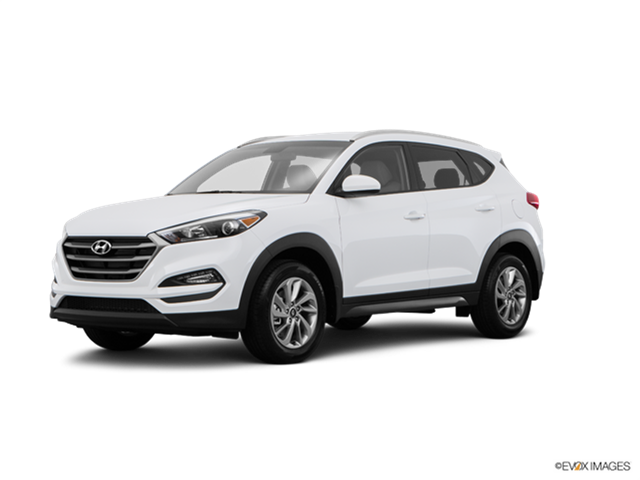
Pathological test drives a Hyundai Tucson

Hyundai has come a long way from being cars you’d buy because of heavy discounts to cars that are actually desirable. The Tucson has always been a bit of an oddball but with the newest generation, it may prove to be Toyota’s worse nightmare yet.
The standard 2-liter four-cylinder offers decent
flexibility with or without all-wheel-drive. Pick of the range however would go
to the 1.6 turbo which comes mated to a seven-speed automatic. You can option
for all-wheel-drive if desired but we wouldn’t bother with it unless you really
have to have the extra traction on slippery surfaces. Our tester (Tucson Sport)
came with all-wheel-drive and handled quite well when the roads got slightly
messy from an icy shower.
The Tucson feels much more upscale to drive than the
previous generation. Handling is secure but nothing to brag about, while
steering feedback is decent too. We’d strongly suggest looking elsewhere if you
are looking for a more engaging driving experience because the Tucson even when
equipped with the turbo engine is far from sporty. We do however applaud
Hyundai for improving quality and refinement. Wind and road noise are well suppressed
and only the sounds of the engine creeps in when you push the engine hard, even
then it is far from intrusive or annoying.
The front seats offer decent comfort and plenty of
adjustability. The steering also offers plenty of adjustments too. The infotainment
system is easy to navigate through and the touch screen menu is easy to use and
not as fussy as the one’s we’ve tested in Fords and Toyotas. Rear seat offers
plenty of comfort for three and the boot space is decent with the second row
seat in place and folded down.
No matter which Tucson you choose, all of them come
well equipped and will satisfy most buyers. SE trim comes with 17-inch alloy
wheels, rear-view camera, stain and order resistant cloth seats and 3.5-inch
monochrome LCD instrument cluster display. Eco trim comes with power driver’s
seat, fog lights, roof rails and drive select mode for the auto gearbox. Pick
of the range Sport trim comes with 19-inch alloys, hands-free boot
opening/closing; proximity key with keyless start and heated front seats. Top of
the range Limited comes with dual-zone climate control, leather seating
surfaces, LED headlights and auto-dimming rearview mirror.
SE and Eco trims come standard with a driver’s blind
spot mirror while Sport and Limited trims get blind spot detection system and
lane change assist. We’d love to see automatic emergency-braking with
pedestrian detection standard on the Limited trim. Tire pressure monitoring
system with individual tire pressure indicator is standard as well as
electronic stability control, anti-lock brakes and brake assist. Roof-mounted
side curtain airbags come standard with rollover sensors in case of a side
collision or rollover accident.
The Ford Escape is slightly more engaging to drive
and the Nissan Rogue offers a third row seat. However, the Hyundai Tucson isn’t
all that bad. It offers decent kit standard and has low running costs from both
engines offered. You’ll probably want to step up to the Sport to get all the
goodies and all-wheel-drive really isn’t needed unless you absolutely have to
have the extra traction. Overall the Tucson is the best compact crossover you
can buy if you desire high content at a decent price but we wish that steering
feedback was improved then the Tucson would be even better.
Likes: Loads of features for very little money.
Turbo engine offers better flexibility and doesn’t cost much more. All-wheel-drive
adds extra traction when desired. Interior much improved with easy to use infotainment
system.
Dislikes: Resale value is questionable. Steering
feedback is more on the so-so side. We wish the driving experience matched the
looks.
Labels:
car review,
Eco,
Hyundai Tucson,
Limited,
road test,
SE,
Sport,
turbo engine
Wednesday, May 23, 2018
Devon test drives the 3-series coupe replacement (Used)
BMW wants to separate the coupes from the sedan. Thus
the 3-series coupe is no longer the 3-series coupe it’s the 4-series coupe,
with a new platform to separate it from the 3-series sedan. Has BMW achieved new
feat?
The 428 uses the familiar turbocharged 2-liter
four-cylinder engine pumping out 240hp. Top of the range 435 trim uses a
3-liter turbocharged six-cylinder pumping out 300hp. Pick of the range is the more
sensible 428 trim. You can have both trims with all-wheel-drive but we only
suggest adding this option if you really need the traction or live in snowy
areas where rear-wheel-drive will be cumbersome.
Our biggest gripe with BMW is the optional adaptive
M suspension which is only optional and not standard. With this option the
4-series drives the way it is supposed to, we still have yet to drive a BMW
without this expensive option and we’ve been put under the impression that BMW
doesn’t want you to either. But at least with this option everything feels
right and with the suspension set at comfort the daily commute with this car is
actually quite comfortable. Slip it into sport mode on tight corners and bends
you’ll be treated to an amazing experience as long as the road isn’t too lumpy
and bumpy. This will bring out the firmness of the suspension which is to be
expected of course.
The driver’s seat offers plenty of support and
adjustments. You’ll find a seating position that best fits you to a tee. The dashboard
looks like it was taken from a 3-series sedan. This is not a bad thing, however
sticking a 4-series badge on this coupe we were hoping BMW would jazz up the
interior more since the price tag has been jazzed up. At least there’s plenty
of ample space four two in the rear seat and the boot offers decent cargo
space.
All three trims are equipped pretty much the same. The
only real matter of picking between all four is if you want a faster engine and
do you want it with or without all-wheel-drive. We were a bit appalled that Bluetooth
isn’t even standard across the range. You can buy pretty much a ton of cars not
even in the same price bracket with Bluetooth standard. The standard form doesn’t
even get real leather seats. But at least you get bi-xenon headlamps, rain
sensing wipes and iDrive on-board computer with 6.5 inch display.
Buying a 4-series won’t be a cheap proposition because
most of the options that you’ll want aren’t cheap. Plus you’ll have to pay to
make the 4-series drive and handle the way it supposed to. Discounts will be
hard to come by too, but resale value will be strong as will all BMW vehicles
plus you won’t really have to worry about safety because BMW has that sorted
well.
The 4-series maybe sleeker than the 3-series sedan
but we still aren’t convinced that it’s any different from the 3-series sedan. Dynamically
they feel the same and interior wise they look the same. Some may not be ready
to fully accept the 3-series coupe new replacement. On paper the 4-series is a
great coupe but in reality there are a few short comings we would strongly look
into first before fully making up your mind.
Likes: Styling is sleeker and slightly more
appealing design than the 3-serie sedan. With the right options the 4-series is
a dream to drive.
Dislikes: So many options and so many of them are
expensive. Bluetooth not standard is absurd. Interior doesn’t look or feel any
different from 3-series sedan.
Tuesday, December 5, 2017
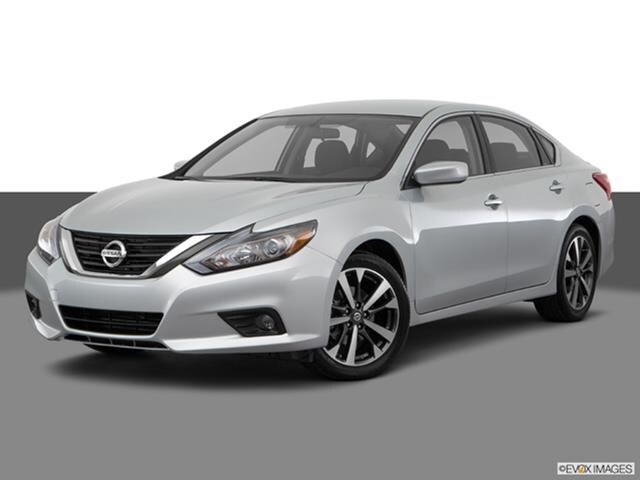
Nissan Altima review [Updated]

Family saloons have never really been seen as cool or fun to drive. Honda and Toyota have pretty much ruined the family saloon image. Nissan however is trying to change all of that with the Nissan Altima. It's roomy, stylish and offers a suprising level of kit for the money. Can the Altima bring style and substance to the dull market of family saloons?
Performance: There's a 2.5-liter four-cylinder with 179hp, and a 3.5liter six-cylinder with 270hp. The pick of the bunch is the 2.5S. There's a great balance of performance, fuel economy and price. The six-cylinder engine is smooth, but feels overwhelming to the car's chassis.
Ride & Handling: The Altima offers decent handling if you don't push it hard. The six-cylinder models offer a sports suspension that makes them more of a kick to drive. You'll either love or hate the ride comfort. It feels floaty even on the bumpiest of roads. Trade-off is the suspension soaks bumps up really well, but there's body roll and not much driver entertainment. The steering feels lifeless and leaves the driver feeling disconnected from the car and road.
Refinement: Wind and road noise is well supressed in the Altima. The transmission sounds buzzy when accelerating from standstill. But once you rev the engine, you'll hear a sporty exhaust noise. But it fades away quickly and continues to pull strongly. There's little noise from the suspension.
Buying & Owning: The Altima is more stylish than its rivals. If you stay clear of the V6 and ignore the base trim level, you'll find a Altima that's reasonably priced and holds its value well. The hybrid offers a fuel economy benefit and tax credit. However, the higher asking price and rarity of the vehicle makes it harder to find at dealer lots.
Quality & Reliability: The Altima has excellent fit and finish inside out. The interior feels logical and well laid out. There's all your controls within easy reach. All the plastics used look and feel like they will last long hard use. Mechanicals shouldn't give any worries as Nissan has excellent reliability record. With above average customer satisfaction scores on JD Power Survey.
Behind the wheel: Some drives may not like the front seats. They lack upright seating position, which makes the driver feel like they're sitting further away from the steering wheel than desired. The seats are comfortable, and there's reach and height adjustments for both the steering wheel and seating.
Space & Practicality: There's plenty of room for five passengers. The trunk has an old fashioned hinges, which eats into the cargo space. The rear seats offer plenty of room for two, there's room for three. However, the third passenger will have to make do with sitting on the transmission tunnel.
Likes: Roomy interior, peppy range of engines, slick shifting transmission, well balance of refinement and quality.
Dislikes: Ride often feels floaty, lifeless steering, front seats don't offer upright seating comfort.
Overall: The Nissan Altima presents an excellent alternate to the class leaders. While there are other rivals that offer more driving satisfaction and extensive safety kit. You'll like the Altima's charm and the low asking price for such a stylish well made vehicle.
Thursday, November 30, 2017
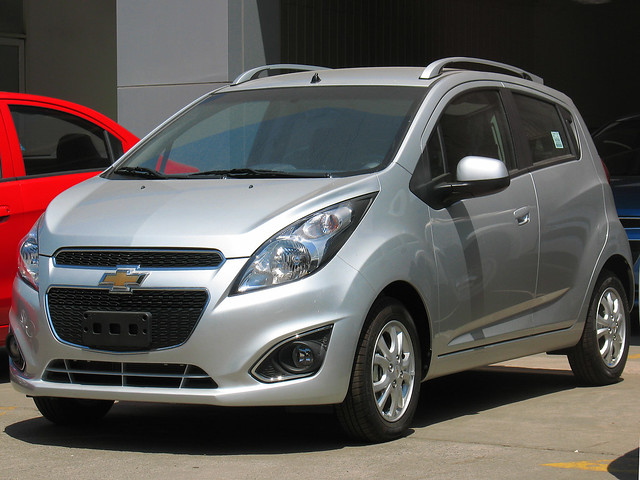
Can Devon find a Spark in a micro-sized Chevy? (Used)

Gas prices are high and the cost of owning a vehicle is going up. Chevy figured this would be the perfect opportunity to launch the Chevy Spark. It's a subcompact hatchback that has real potential to go toe to toe with the Fiat 500 and Toyota iQ. Even though Americans haven't really warmed up to small cars yet, will the Spark be able to spark something in this steadily trendy segment? Let's find out!
Performance: There's only one engine available with the Spark and that's a 1.2-liter four-cylinder producing 84hp. It's not the peppiest engine and won't spark any excitement. Fuel economy however is the main concern here and that's where the Spark really sparks. It's at home around town where the little horespower it has is peppy and can catch up to traffic with ease. On the highway you may want to plan out your overtaking because it will take a while to get up to pace with the rest of traffic. We suggest sticking with the manual gearbox as it works better with the small amount of horsepower the engine has to offer.
On the road: The Spark has a comfortable ride for a city car. Around town the suspension copes well with bumps and helps the Spark dart around tight urban areas with little to no effort needed. Venture outside of the city limits and the Spark's composed ride often feels unsettled. Most city cars feel out of their element outside of the city, so the Spark isn't too far off from its main rivals.
Refinement: You'll have to work the engine hard to get any momentum out of it. The manual gearbox is better suited with the small engine size and output. Wind and road noise will intrude in the cabin at higher speeds making the Spark feel less refined than its rivals.
Behind the wheel: The dashboard has a very user-friendly with most of controls and dials easily labeled and easy to reach from the driver's seat. The instrumental panel has a motorcycle like gauge which helps spark a little flare inside the cabin. There's plenty of adjustments for the driver's seat, but the steering wheel doesn't adjust for reach. This isn't a deal breaker but can compromise the driving position for taller drivers.
Space & Practicality: Even though the Spark is small, the interior is roomy and offers plenty of space for four adults. There is plenty of headroom and legroom for front and rear passengers if the passengers are willing to share out the space. The boot space won't wow you but it's pretty decent compared to most rivals, you'll have to push the front seats forward to fold the rear seats down to extend cargo space.
Equipment: The Spark starts at the right price tag but the base trim loses out on cd-player, keyless entry and a few other bits that you'd desire. You'll have to step up to the mid-range trim to add these features which we highly suggest. Top of the range trim adds leatherette seating surfaces, Chevy's MyLink, alloy wheels with roof rails.
Buying & Owning: The Chevy Spark running costs should be low thanks to the ultra efficient engine under the hood. You may lose some of the fuel economy benefits due to the fact that you have to work the Spark's engine harder on faster paced roads. Starting prices for the Spark are below $13,000 which should appeal to the tight budget minded buyers. We however suggest sticking with the mid-range trim which adds keyless entry and few other bits that you'll want on your daily drive.
Quality & Reliability: The Spark's interior is very nice but is surrounded by hard and cheap looking plastics. You can tell that this car was built to a price. It's a shame because the Spark has such a fun loving character.
Safety & Security: The Spark comes with front and side curtain airbags standard. Hill start assist and electronic stability are standard across the range as well as traction control. The base trim loses out on a theft alarm and keyless entry which leaves the Spark vunerable to break-ins.
The Chevy Spark is a spacious and roomy city car that benefits from an extra pair of doors for added versatility. It's stylish and quite a joy to drive around the city. Venture outside of the city and everything goes down hill from there. The engine doesn't offer enough momentum to really get you off the line and you'll have to plan out your overtakings. The rear seats are very difficult to fold down and the base trim feels rather short on kit. If you need a small urban runabout that can seat up to four and is cheap to buy and run. The Spark really does spark up these and shows that it is indeed a great car to consider.
Devon's Pick: The 1LT trim makes the most sense. You get air-con, keyless-entry, cd-player and cruise control standard. You still get the same 1.2-liter engine as the base trim but you're not losing out on comfort features.
Likes: Fuel efficient, fun to drive around town, roomy for four adults. Stylish exterior looks and a well thought out interior design.
Dislikes: Obvious sign the car was built to a price. Overwhelmed outside city limits. Rear seats fold down feature is fiddly to use. Color choices won't appeal to all.
Devon M
Friday, November 24, 2017
Devon test drives a Subaru BR-Z (Used)
If you think you're suffering from double vision you're not alone. The Subaru BR-Z and Scion FR-S are nearly identical and share many of the same components. Both are built in the same factory and use the same 2-liter four-cylinder engine. Only differences are a few cosmetic tweeks and slight tuning to the suspension. But is that enough to tell them apart? Let's find out!
Performance: Only engine on hand is a 2-liter horizontially opposed flat-four which produces 200hp. It doesn't sound like a lot, but for the money it's quite enough. You'll have to rev the engine hard to get the most of it but when you do you'll really love doing it. The manual gearbox makes the BR-Z more enjoyable to drive rather than the automatic which seems to sap more of the already limited amount of power and torque the engine has to offer.
On the road: The BR-Z has a firmer suspension than the FR-S, which makes it more fun to drive through bends and corners. Since it's a rear-wheel-drive vehicle, you can really kick out the rear in corners more than in a front-wheel-drive car. This is where the appeal of rear wheel drive starts to kick in. It's just a hoot to drive and push hard. The steering is slick and the feedback is excellent. It doesn't feel as tail happy as the FR-S but we wish that there was a bit more oomph to really make it more of a joy to drive. Refinement isn't a strong point for the BR-Z. The transmission is clunky and road noise will be an even bigger issue.
Behind the wheel: The driving position is spot on for a sporty feel. The chunky steering wheel offers plenty of grip when pushing through on bends and corners. Most of the controls and dials on the dash are simply arranged and feel somewhat easy to navigate.
Space & Practicality: There's plenty of space in the front but the rear seats are next to useless. Headroom and legroom are far too tight for adults and the foot space is even tighter. You're better off using the rear seat for luggage space rather than for passengers. The boot offers decent amount of space too.
Equipment: The BR-Z comes with a decent amount of kit standard for the money. You get air-con, cd-player and central locking. Voice-activate navigation system and Bluetooth both come standard as well. You'll have to step up to the top of the range to add keyless start and a leather trimmed interior. The base trim seems more of the bargain deal which is the one you're better off with to keep costs down.
Buying & Owning: The BR-Z is priced a bit higher than the Ford Mustang and Chevy Camaro. Both however don't offer the fuel efficient engine that the BR-Z has and neither of the two are as fun to thrash as the BR-Z is, which should help add to the appeal of the car. It feels more fun to drive in bends too which makes it more of a bargain when you think about it. Fuel costs will be low but insurance costs maybe a bit high due to the sporty nature of the vehicle. Resale value should hold up well considering that Subaru owners tend to keep their vehicles longer.
Quality & Safety: Subaru is known for its rock solid reliability record and that is no exception in the BR-Z. Everything feels well built and long lasting. It isn't as classy as some of the more expensive rivals but it serves its purpose well. There's a decent amount of safety kit too. Stability control is standard as well as seven airbags to protect you in the event of a crash. Anti-whip-lash headrest are standard as well as a good security system to keep theft at bay.
The Subaru BR-Z is slightly more fun to drive than the Scion FR-S thanks to slightly sportier handling. This is where the differences between the FR-S and BR-Z end. Both vehicles are nearly identical but it makes really no sense to have two of the same vehicle without one having something different from the other. We think that the Subaru counterpart should at least offer a turbo engine or a more powerful engine option to really go with the already tossable chassis. You'll have to thrash the engine to keep the momentum going which is something you can't really say about the Mustang and Camaro. One thing you can't say about those two cars is that the running costs will be cheap due to the fact that it is a four-cylinder and it's better on gas compared to the six-cylinders in the Mustang and Camaro. It's a lightweight coupe with rear wheel drive and a low starting price. It's not perfect but it makes sense. We just wish it had more power.
Devon's Pick: The Premium trim is all you'll really need. The Limited Trim really isn't worth the extra money unless you have to have keyless start and a leather interior. We say that the less you spend the better, unless there is a power upgrade included.
Likes: Most fun to drive compared to FR-S. Fuel efficient engine with a tossable chassis.
Dislikes: You'll have to thrash the engine more than you'd like. Interior feels cheap. Without the badge there is no way to tell it apart from the FR-S.
Devon M
Tuesday, September 26, 2017
Less Cruze more SS please! (Used)

Performance: The Cruze comes with two four-cylinder engines. A 1.8-liter four-cylinder with 138hp and a 1.4-liter turbocharged four-cylinder with 138hp. Picking between the two clearly depends upon taste. If you desire more oomph on the highway, the turbo version makes the most sense. The 1.8 offers good fuel economy too and is the only version offered with a manual gearbox, unless you choose the Eco trim that has the turbo engine.
Ride & Handling: The Cruze doesn't offer sharp handling like some of its keen rivals. The ride has a jiggly quality, some bumps and potholes can easily upset the ride comfort. Handling is a mere acceptable, there isn't much body roll in corners. However, it doesn't feel as sporty as the Volkswagen Jetta. The steering is quick and light, but has very little feedback. Feeling almost numb at times.
Refinement: The engines don't offer much in terms of power. Both provide good pace around town, the turbo version feels more punchy thanks to the extra torque at low revs. At higher speeds the engine sends a loud sound track into the interior. Wind noise is well supressed, but some surfaces can kick up a bit too much road roar than desired.
Behind the wheel: There's adjustment for reach and height for the driver seat and steering wheel. Many drivers will find it easy to get comfortable. Some may not find the front seats comfortable. They're strangely shaped and are short on lower back support. All the controls are within easy reach of the driver's hand. Everything feels easy to use and operate. Rear visibility isn't great, but it isn't bad for a small sedan.
Space & Practicality: The rear seat offers plenty of space for two. The large center tunnel and narrow cabin means trying to carry three in the back is best avoided. The boot is fairly large, but the trunk uses an old fashioned hinges that eat into cargo space. The split folding rear seats increase cargo space.
Equipment: The Cruze comes with air-conditioning, cd-player with MP3 compatibility and tire pressure monitors all standard. You'll have to step up to the higher trim levels to get alloy-wheels, cruise control and heated front seats. Top of the range offers climate control, rear reverse camera and keyless start.
Buying & Owning: The Cruze doesn't seem much of a value compared to its rivals. But you do get plenty of kit for the money. Fuel economy is decent, and resale value should be average. Some may be put off by its bland styling.
Quality & Reliability: The interior looks and feels like a major leap forward for Chevy. The dash materials are hard to the touch, but look smart and are well textured. However, there are signs of cost cutting in some areas of the interior. Reliability for the Cruze is too soon to say.
Safety & Security: ESP, ABS and six airbags are all standard. An engine imobiliser and deadlocks are fitted on every model to keep theft at bay.
Likes: Roomy interior, a major improvement over the Cobalt, interior feels up to par with Japanese rivals, available turbocharged engine, decent fuel economy.
Dislikes: The diesel engine can't be had with the fancy body-kit or alloy wheels. It's not even close to being as sharp to drive as a Jetta and the most desirable versions are the most expensive.
Overall: The Cruze is a major leap forward for Chevy. The interior feels high much improved, and there's plenty of kit for the money. If Chevy offers a more powerful engine, the value for the money factor will be well justified in the top of the range trim.
Subscribe to:
Posts (Atom)